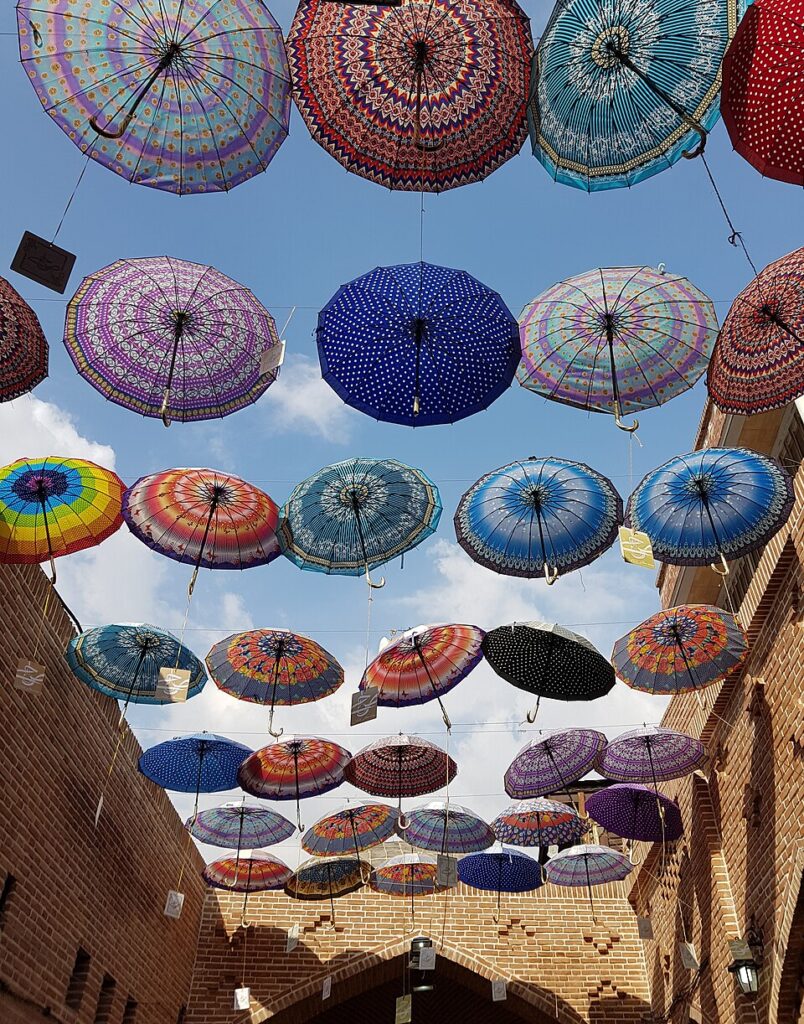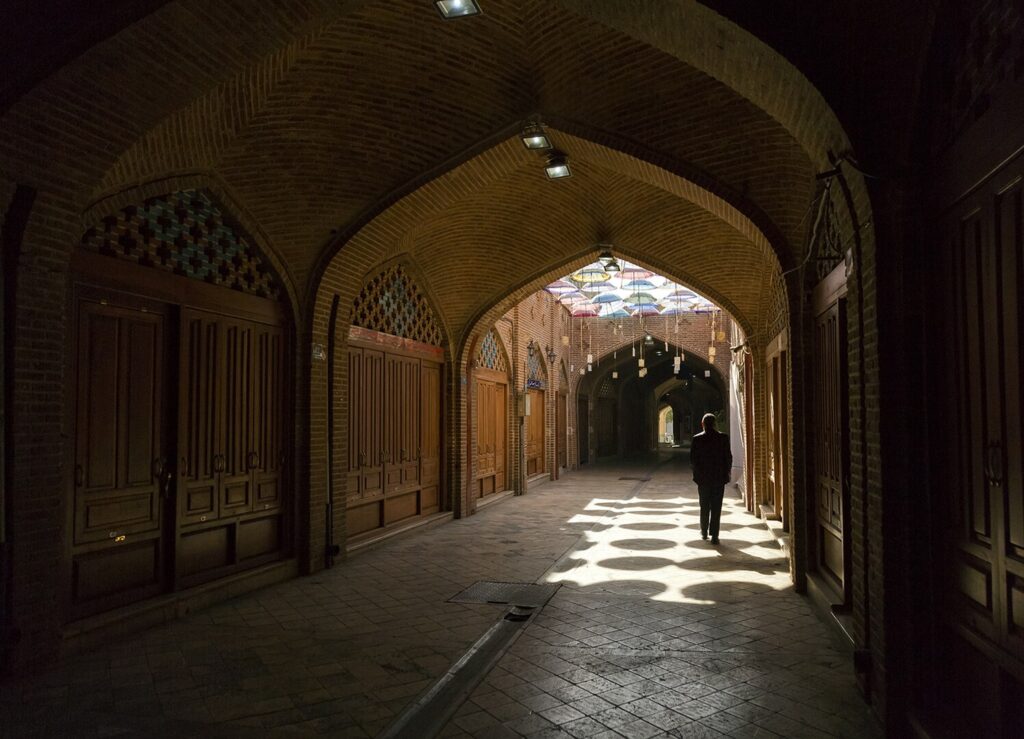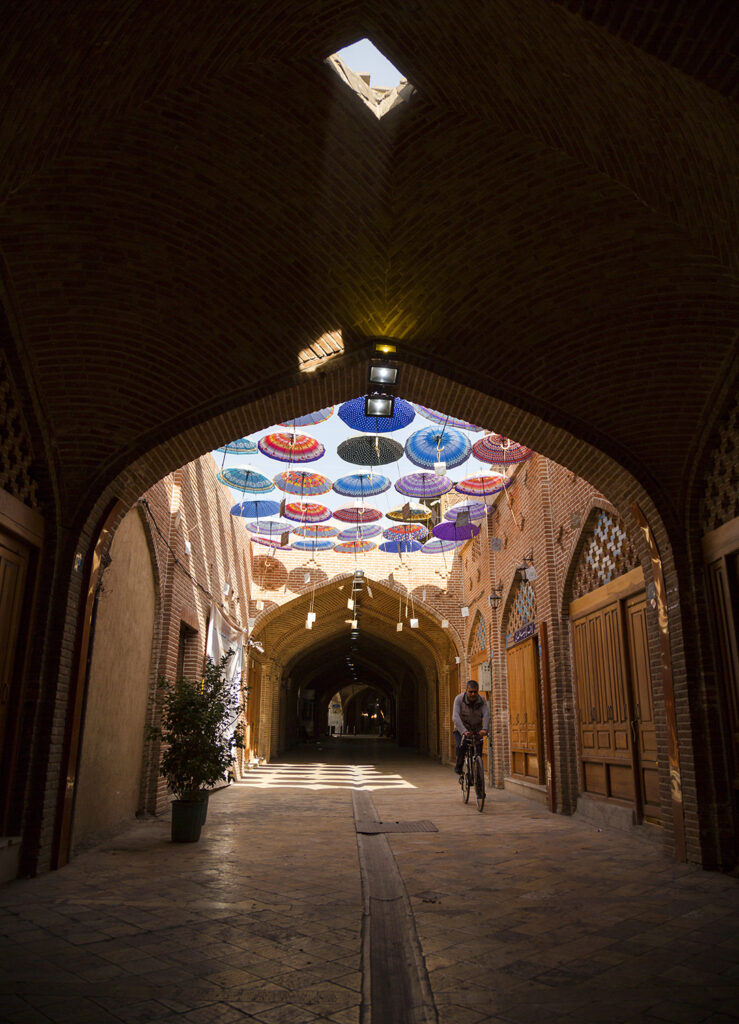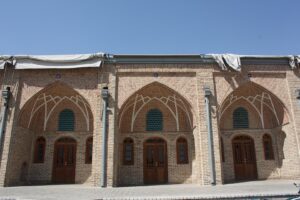
Oudlajan Traditional Neighborhood

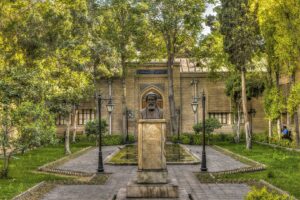
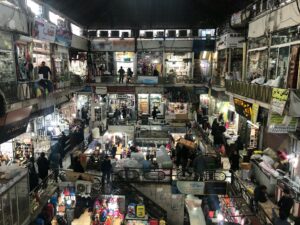
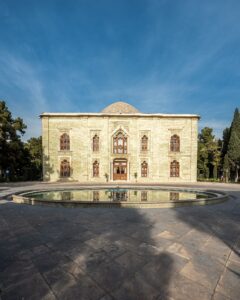
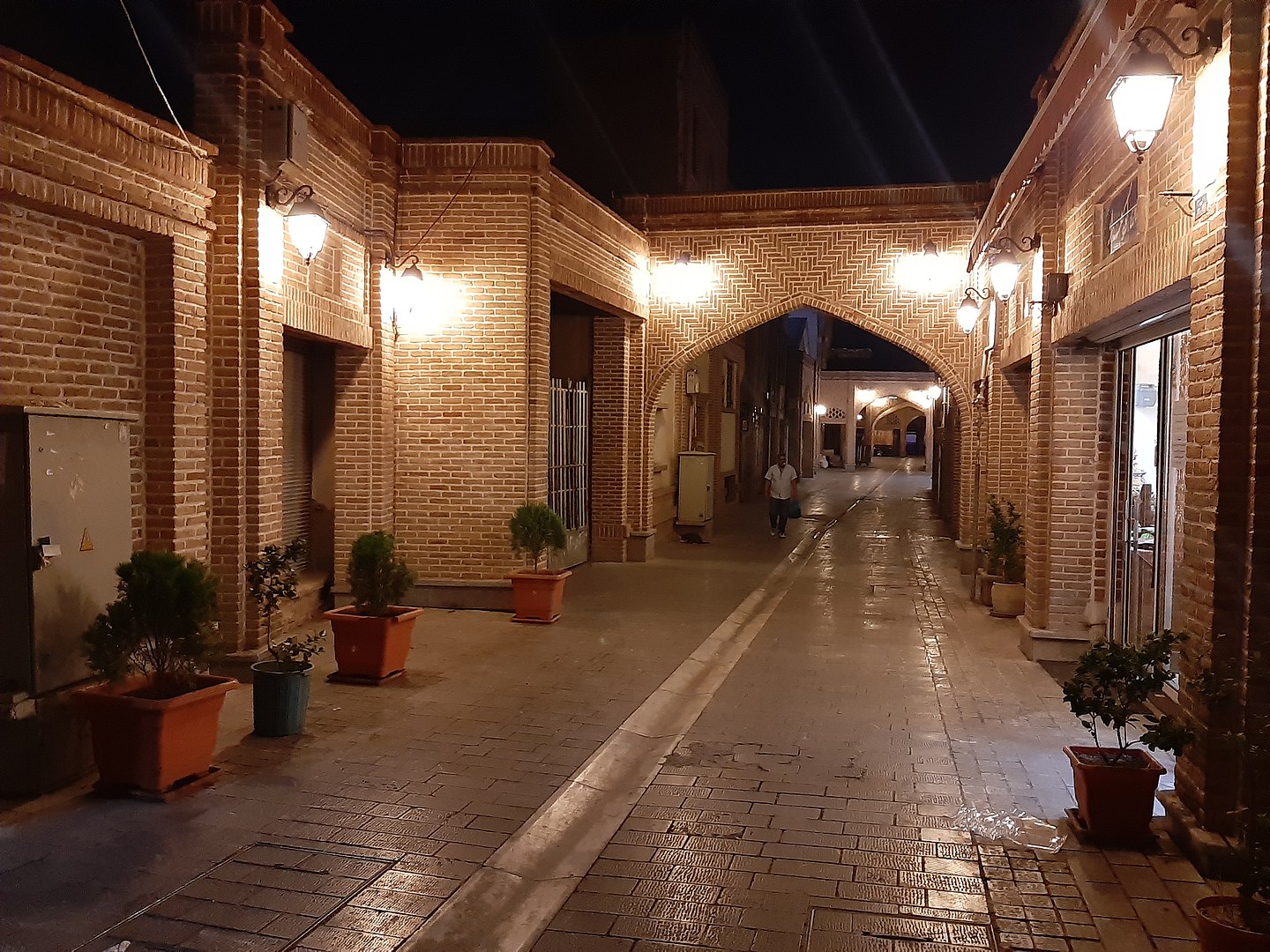
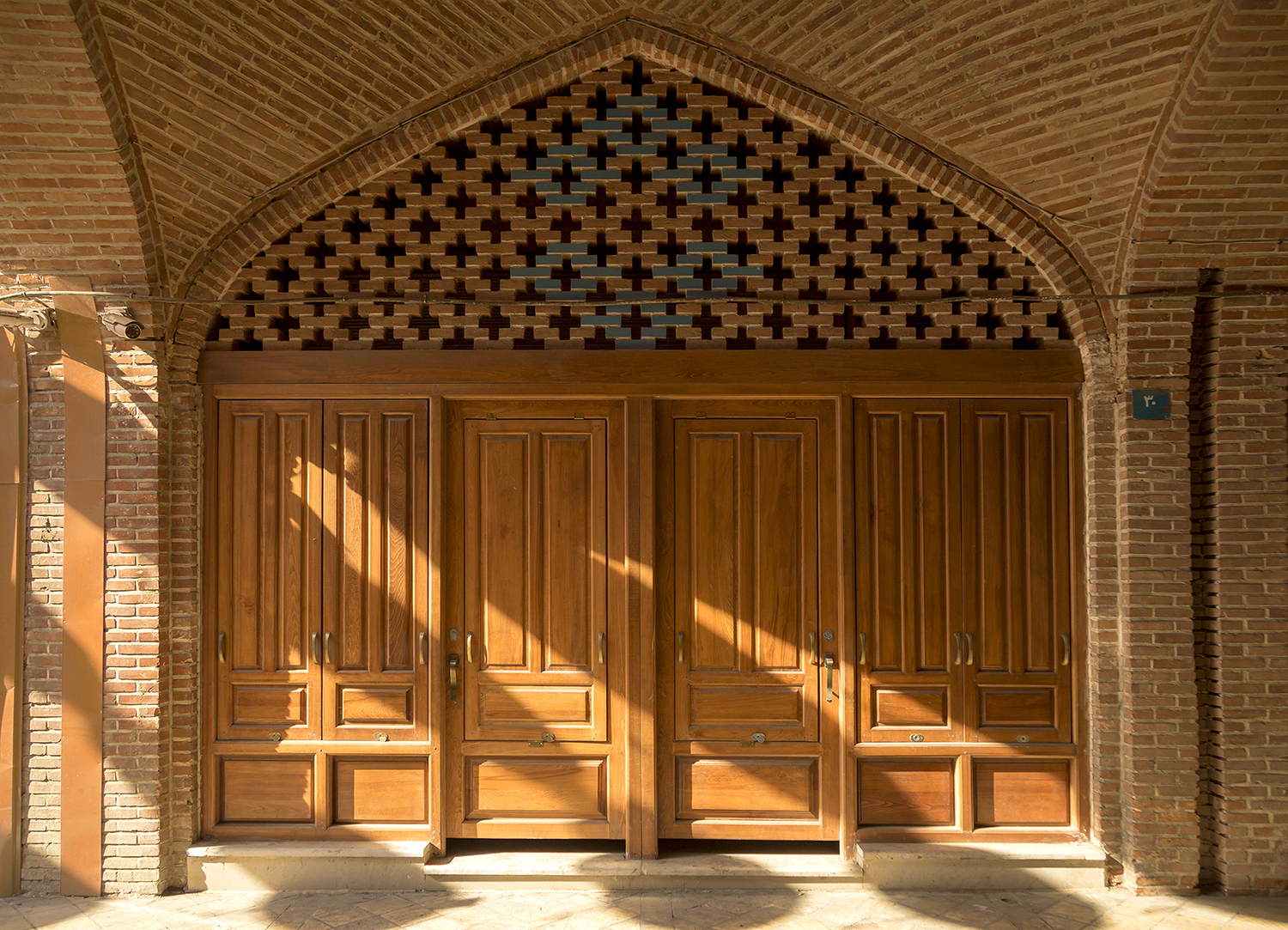
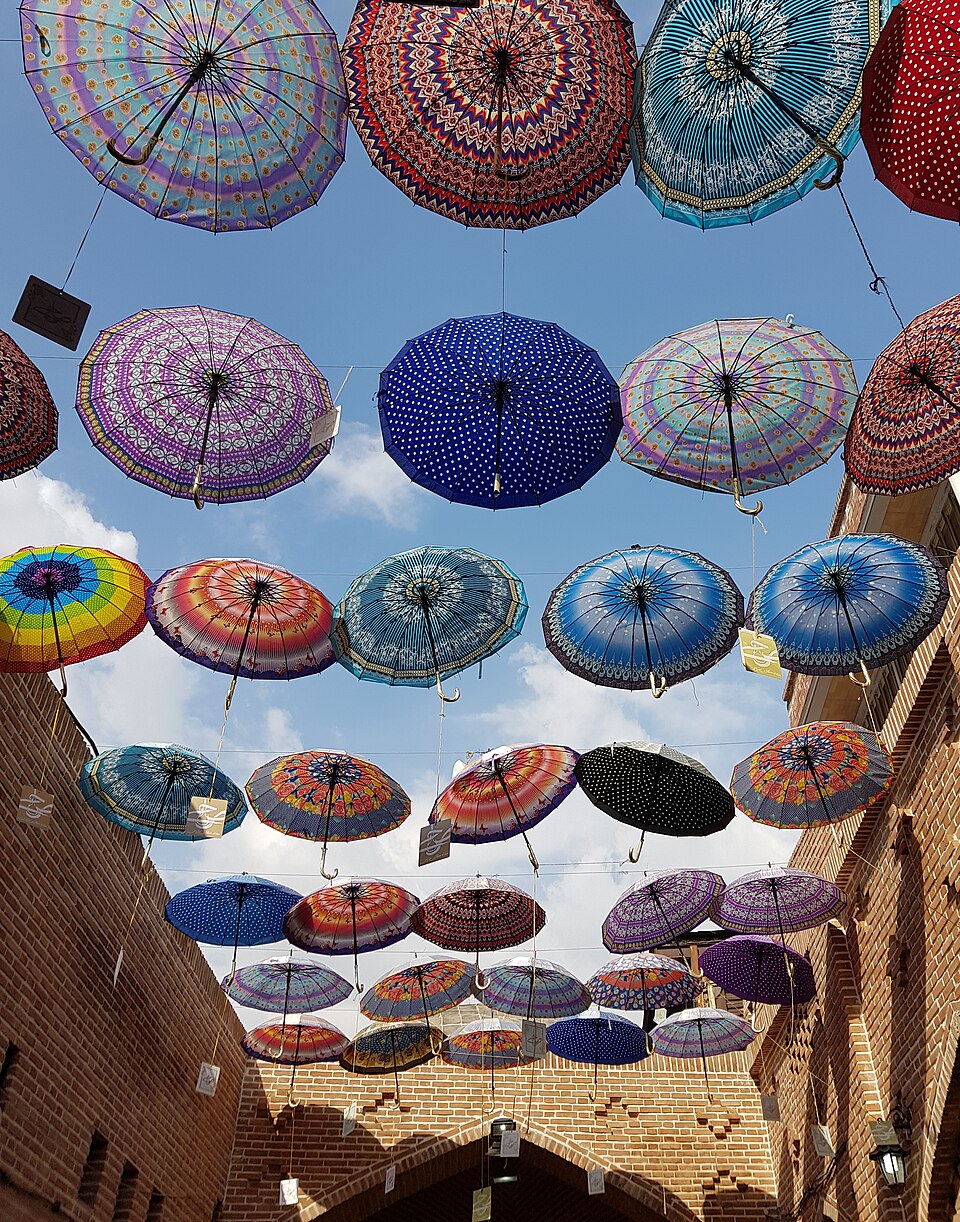
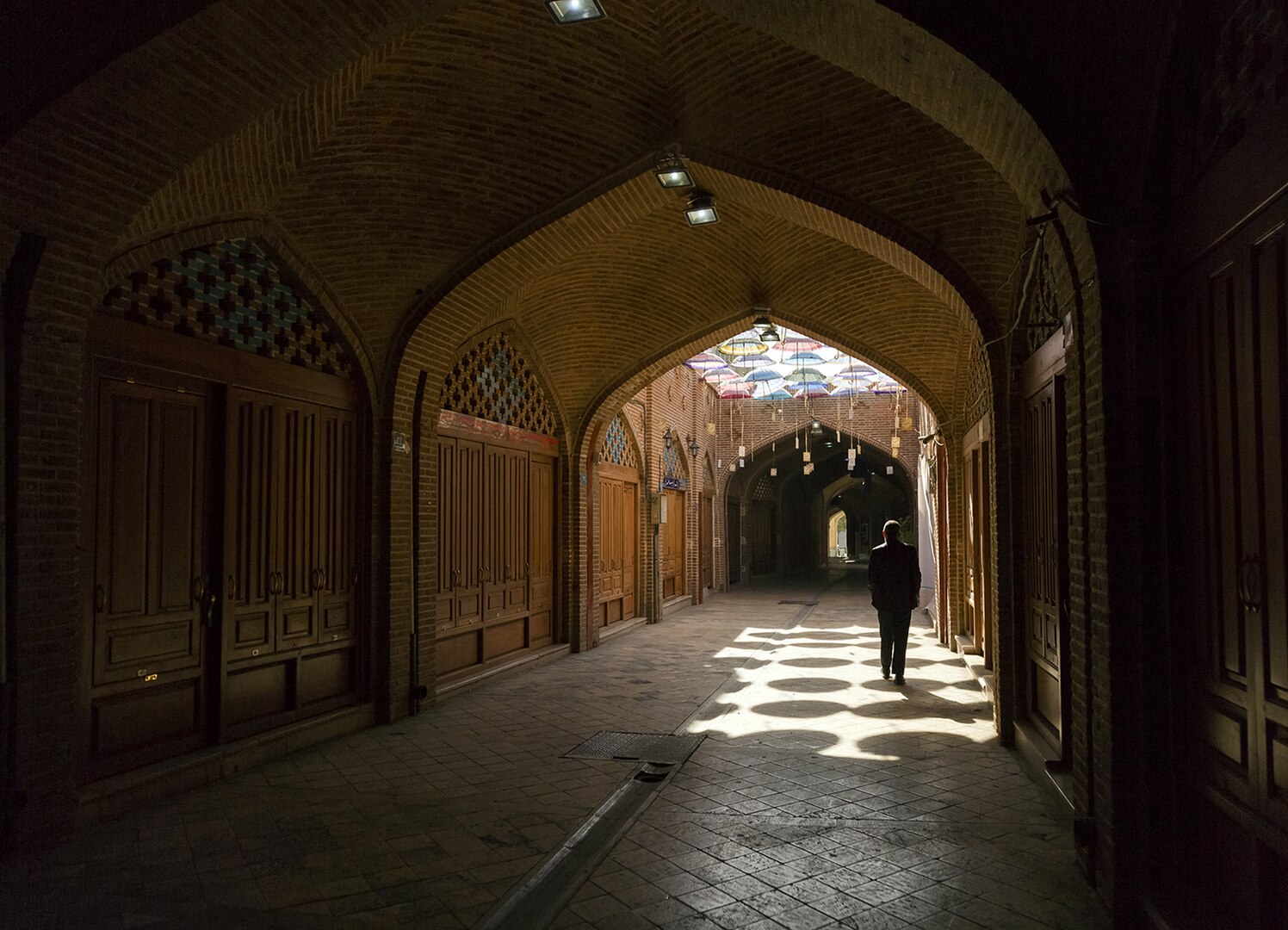
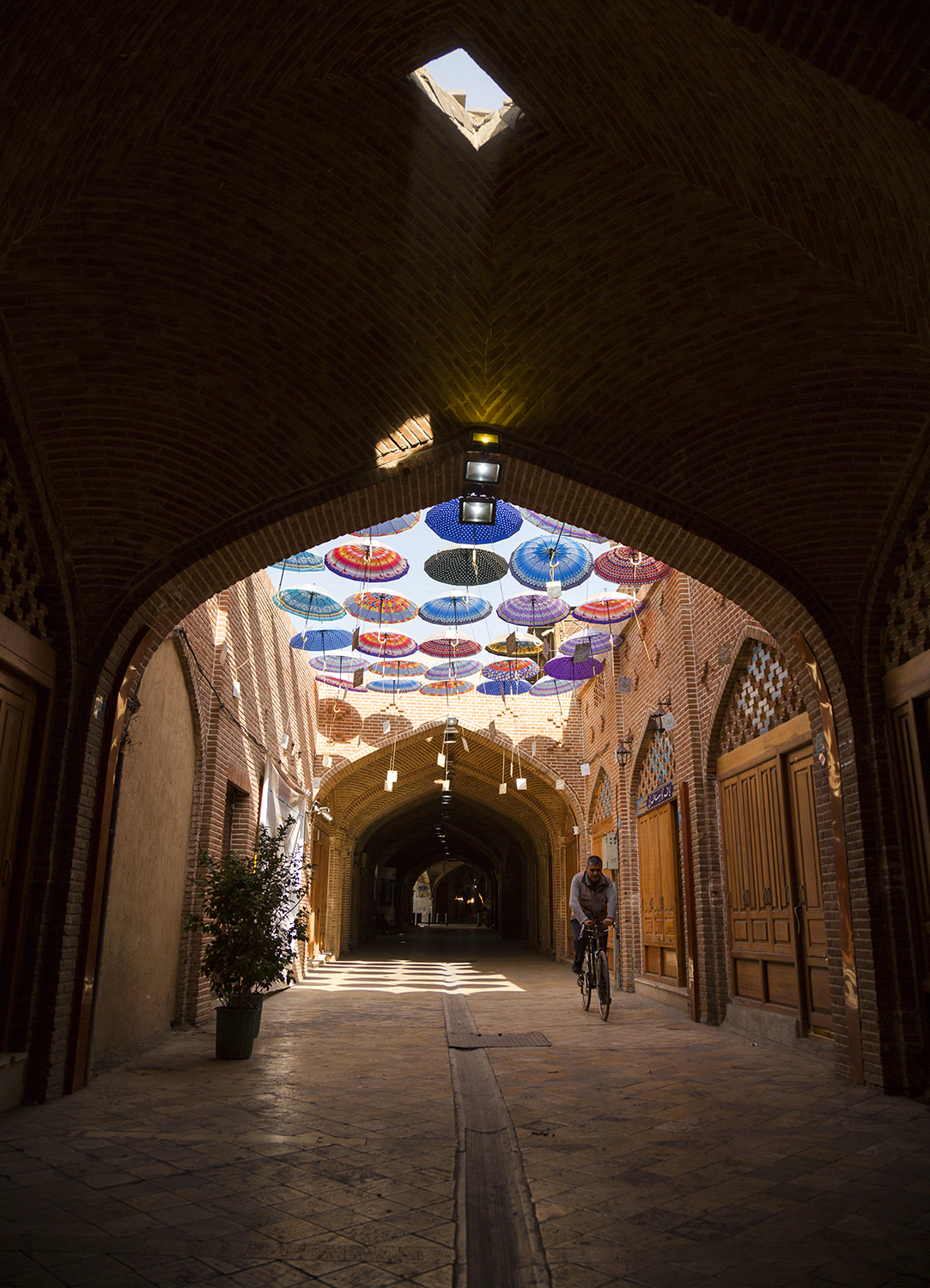
Oudlajan is one of Tehran’s oldest neighborhoods, located just north of the Grand Bazaar and rooted in the city’s pre-modern fabric. Historically a residential quarter for merchants and minority communities — including a significant Jewish population — it developed as a dense network of lanes, courtyard houses, small squares, and local institutions.

In recent years, parts of Oudlajan have been restored, with historic houses converted into cafés, galleries, and cultural spaces. While traces of decline remain, the area reveals layers of Tehran’s everyday urban life before wide boulevards and modern planning reshaped the city. Walking through Oudlajan is less about monuments and more about reading the city through scale, texture, and continuity.

Today, the neighborhood stands at a point of transition, where heritage preservation, tourism, and daily life intersect in a fragile but meaningful way.
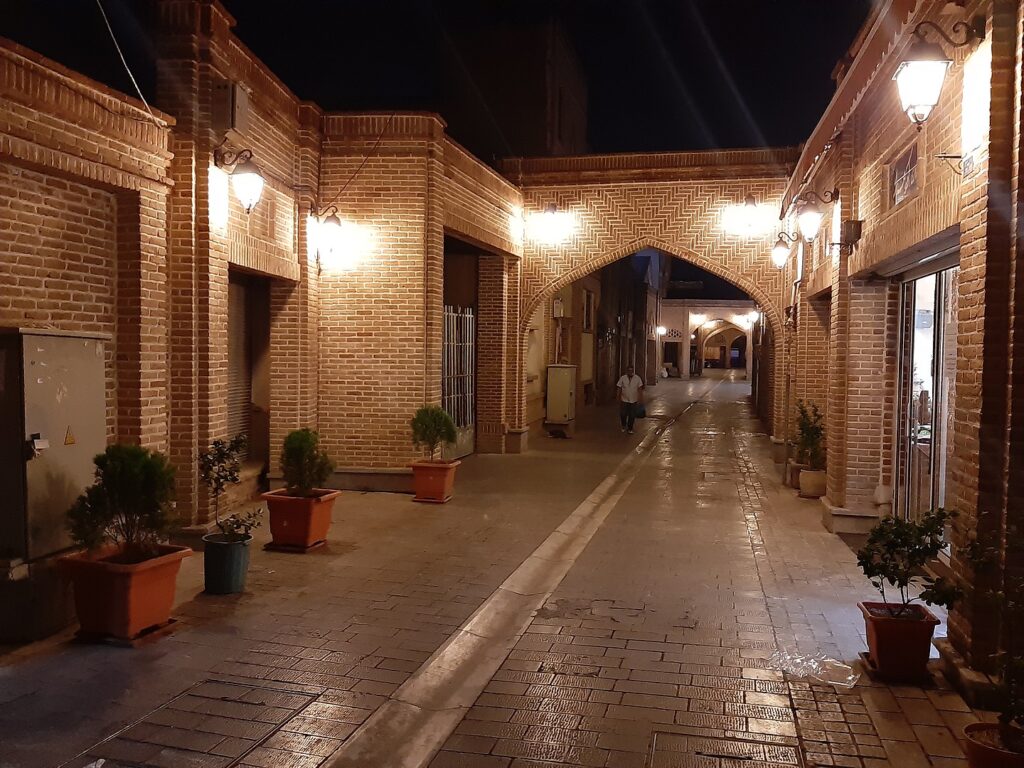
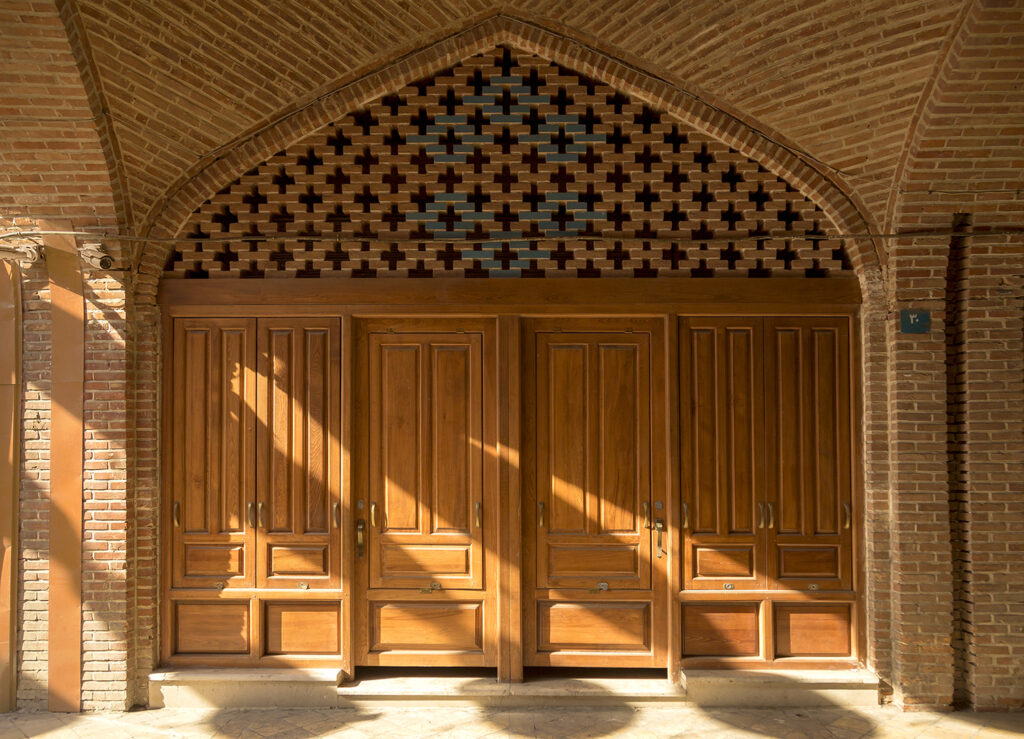
Photos by: Wikipedia

Oudlajan Traditional Neighborhood

JEWISH PAST

Oudlajan was historically Tehran’s main Jewish quarter, especially during the late Qajar and early Pahlavi periods. Jewish families lived alongside Muslim residents, often clustered around synagogues, schools, and community spaces, following a common urban pattern rather than formal segregation.

From the early 20th century, many Jewish residents gradually moved out of Oudlajan as Tehran expanded northward. Improved housing, education, and economic opportunities drew families to newer neighborhoods. After the 1979 Islamic Revolution, emigration increased, with many Iranian Jews leaving the country due to political and economic uncertainty.

Today, the Jewish presence in Oudlajan remains visible mainly through historic synagogues and collective memory, while the neighborhood reflects the broader social shifts that reshaped Tehran’s old city.

PRACTICAL TIPS

  • Time needed: 60–90 minutes
  • Best time: Late morning or early afternoon
  • Walking: Narrow alleys and uneven surfaces
  • Focus: Look for restored houses, small courtyards, and local cafés
  • Crowds: Quieter than the main bazaar streets
  • Nearest station: Panzdah-e Khordad Metro Station (Line 1)

NEARBY

Khanat Caravanserai

A late caravanserai near Tehran’s Grand Bazaar, where traditional trade architecture reflects a transition from Silk Road travel to modern urban commerce and reuse.

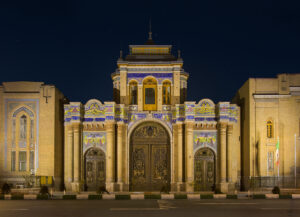
Portal of Bāgh-e Melli

A symbolic city gate marking Tehran’s shift toward modern urban identity, where traditional tilework and early national imagery frame a lost public garden.

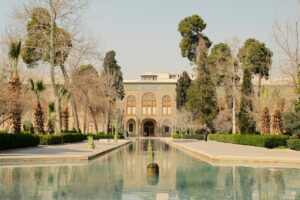
Golestan Palace

Golestan Palace is a popular UNESCO-listed royal complex in central Tehran, known for its Qajar-era architecture, mirrored halls, gardens, and ceremonial spaces.

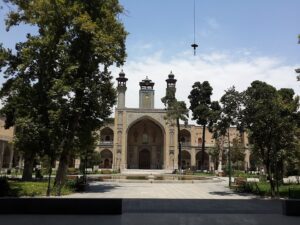
Motahhari Mosque

A grand mosque complex in Tehran combining domes, multiple minarets, courtyards, and tilework, reflecting a transitional moment between Iranian tradition and modern civic architecture.

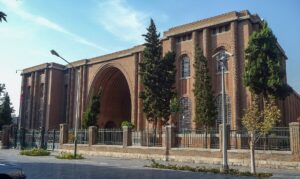
National Museum of Iran

Iran’s main archaeology museum, presenting artifacts from prehistoric Iran to the Islamic era, and offering a clear introduction to the depth and continuity of Iranian…

Negarestan Museum & Garden

A historic garden and former royal complex in central Tehran, now a museum space where art, education, and political history intersect within a calm courtyard…

Tehran Grand Bazaar

A vast historic marketplace at the heart of Tehran, where trade, craft, religion, and daily life intersect in a dense network of corridors, mosques, and…

Marble Palace

A ceremonial palace in central Tehran, known for its marble-clad architecture and domed hall, reflecting state power, control, and the political tensions of its time.