
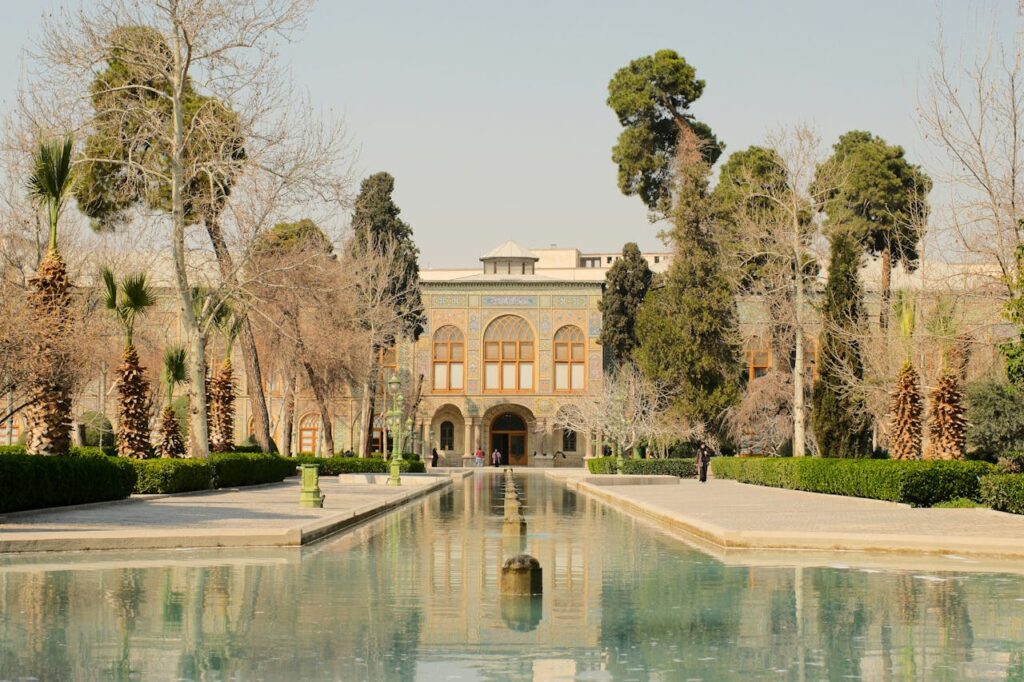
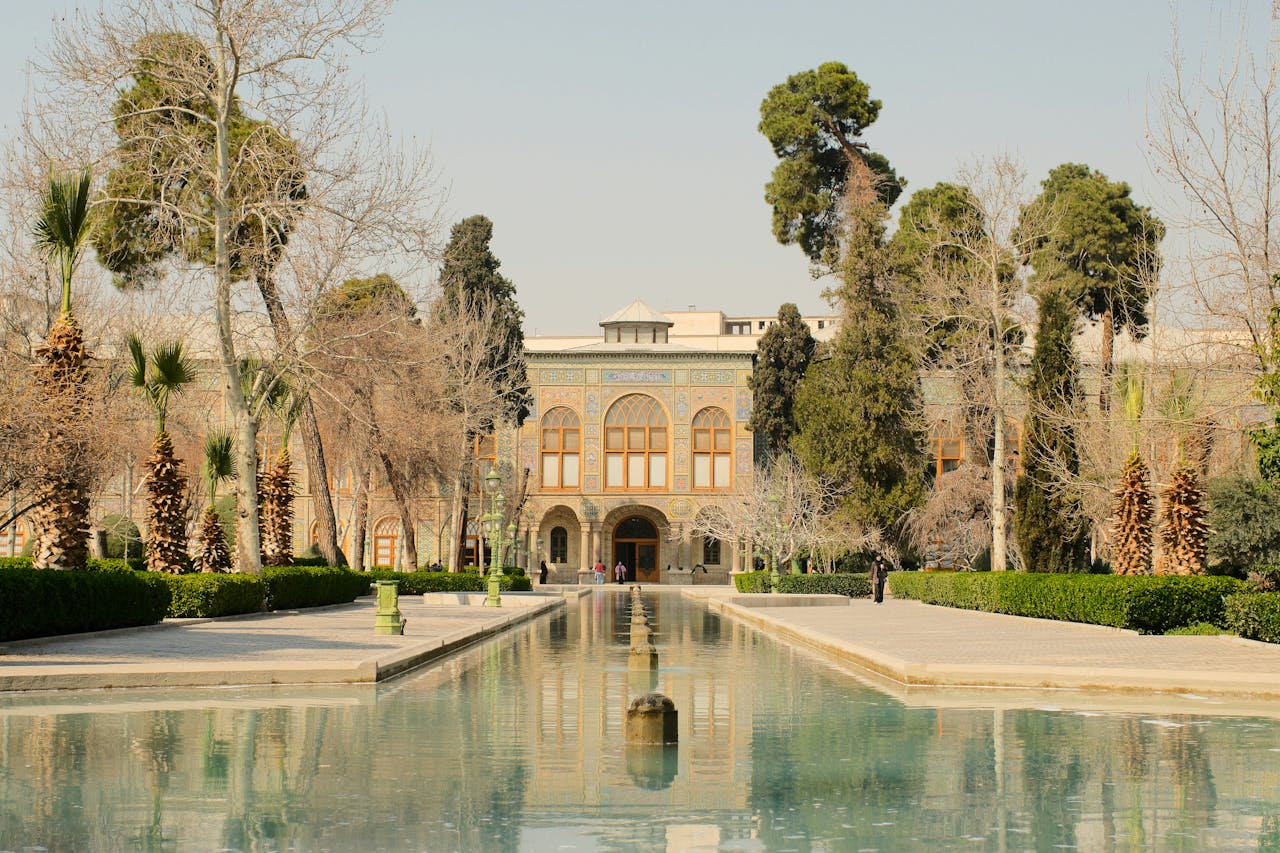
Located in the historic core of Tehran, Golestan Palace is one of Iran’s most important cultural landmarks and a UNESCO World Heritage Site. Set amid busy streets and modern buildings, the palace forms a striking contrast between old and new, offering a quiet, ordered world within the city’s intensity. More than a royal residence, it marks the moment when Tehran emerged as Iran’s political and cultural capital and began shaping its modern identity.
Photos by: Sajad Fi, Sina HN Yazdi, Farnaz Kohankhaki, Alireza AM, Necati Ömer Karpuzoğlu
Golestan Palace
HISTORY
Tehran became Iran’s capital at the end of the 18th century under the Qajar dynasty, transforming a modest city into the country’s political center. Golestan Palace grew alongside this transformation, evolving from earlier Safavid foundations into the ceremonial and administrative heart of the capital.
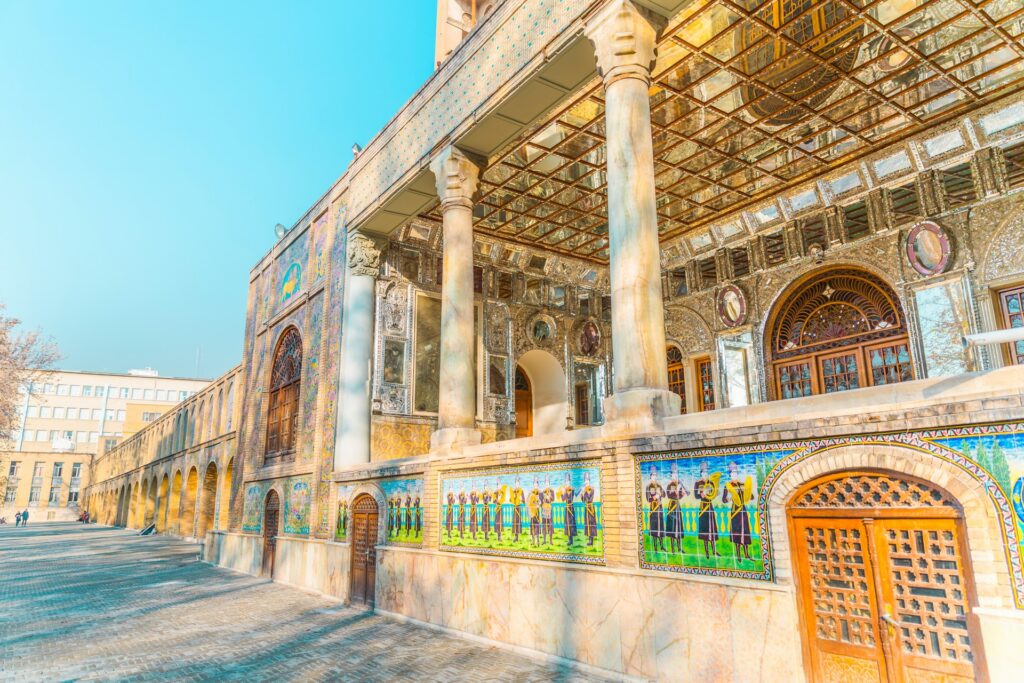
Throughout the 19th century, as Tehran expanded and international exchange increased, the palace absorbed new artistic and architectural ideas. This created a lasting contrast within the complex itself: traditional Persian spatial order and craftsmanship alongside newly introduced European concepts. Golestan Palace thus reflects both the continuity of Iranian culture and its encounter with a changing world.
WHAT MAKES IT SPECIAL
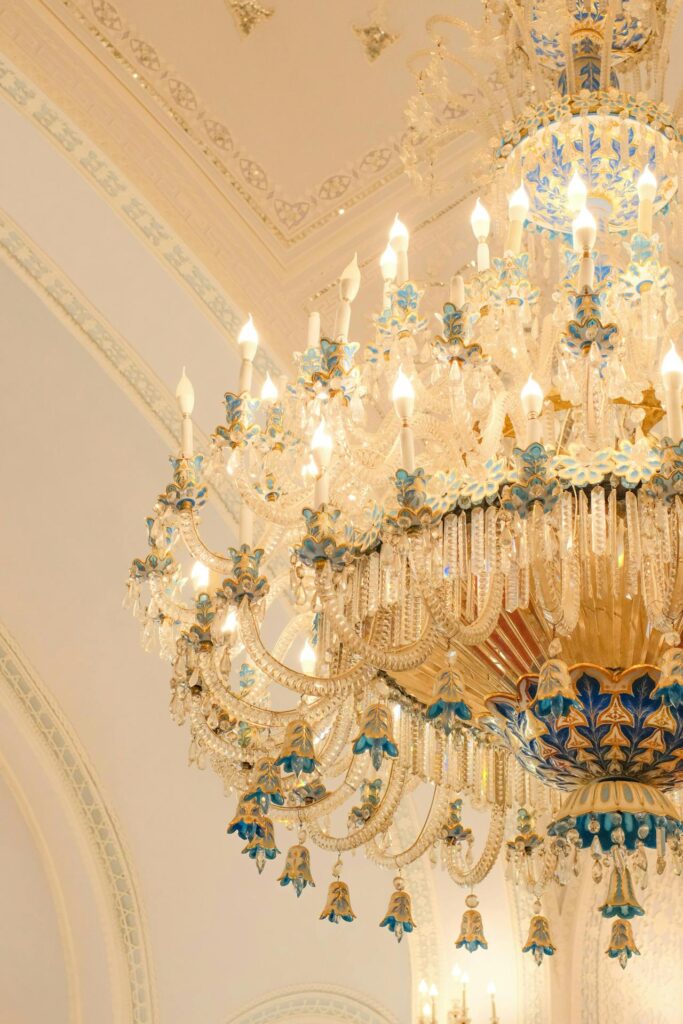
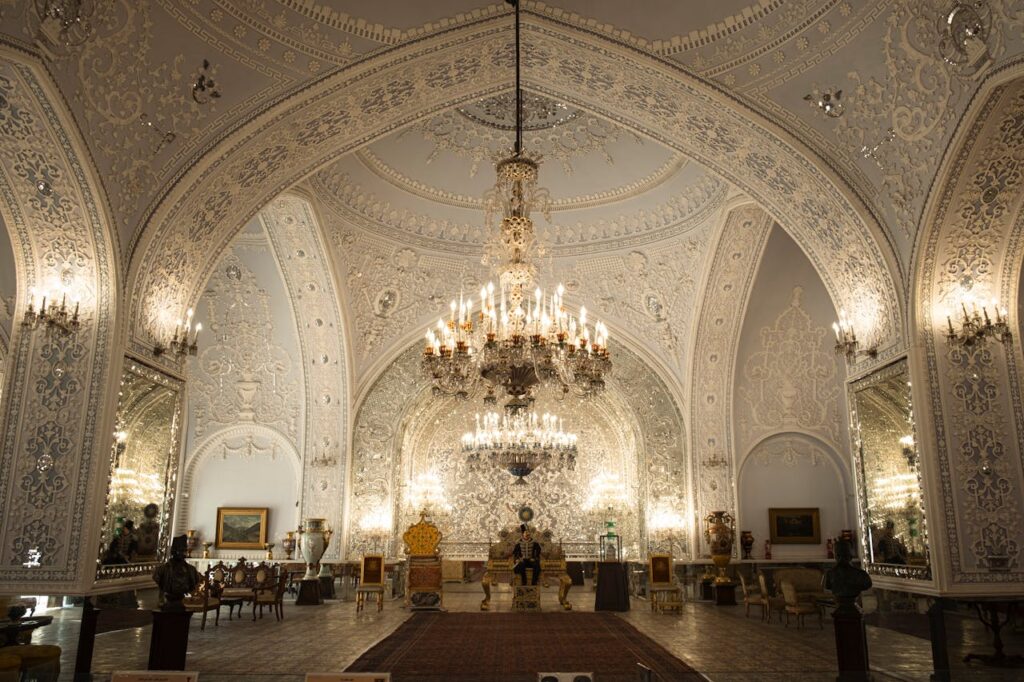
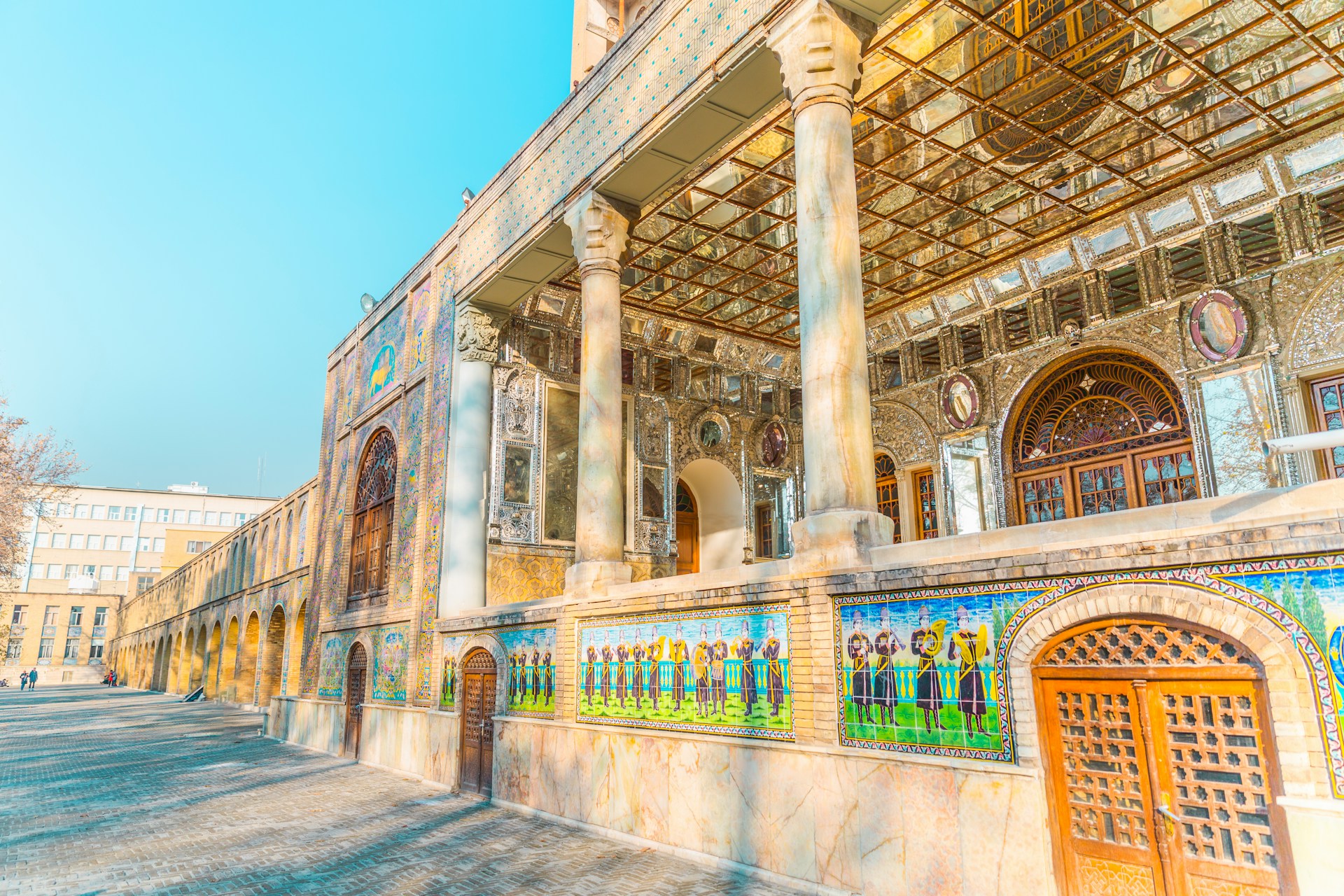
What sets Golestan Palace apart is its controlled balance of contrasts. Architecturally and artistically, it stands at the meeting point of Iranian tradition and European influence. Instead of copying foreign styles, European elements were selectively adapted and transformed through Iranian craftsmanship.
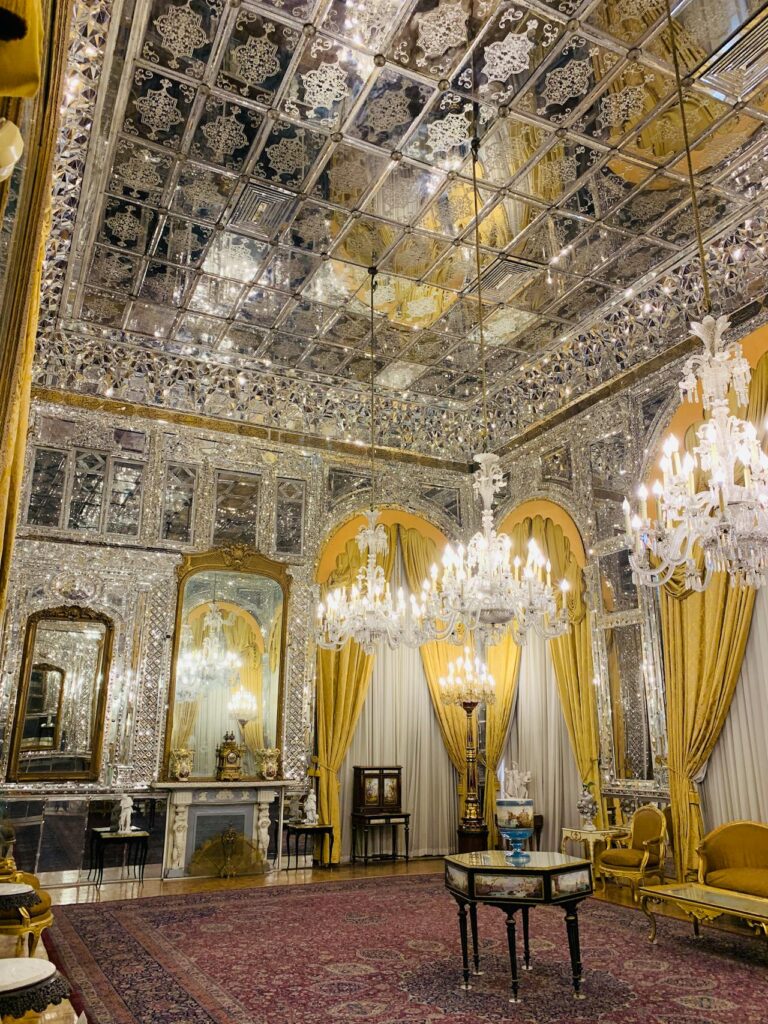
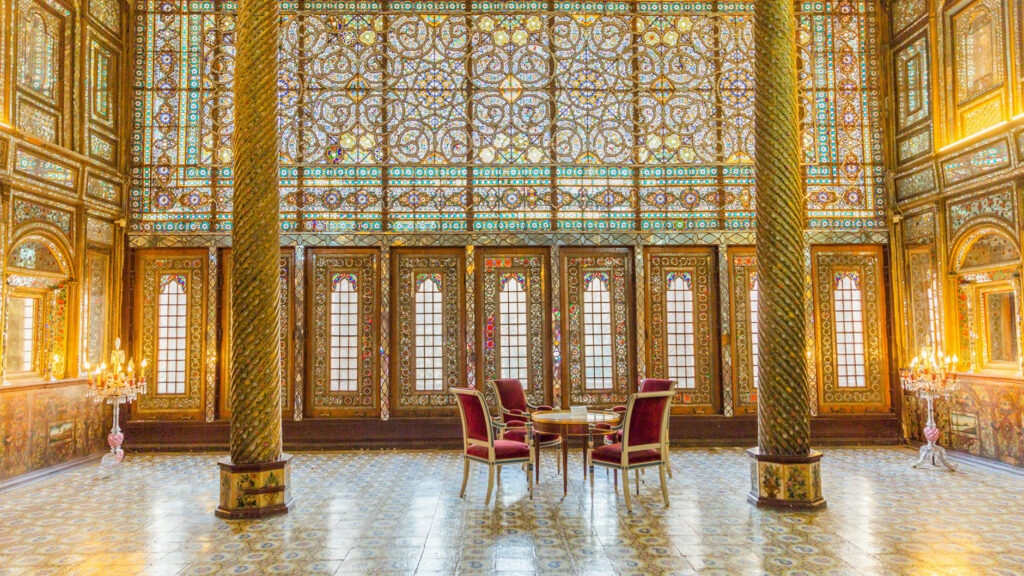
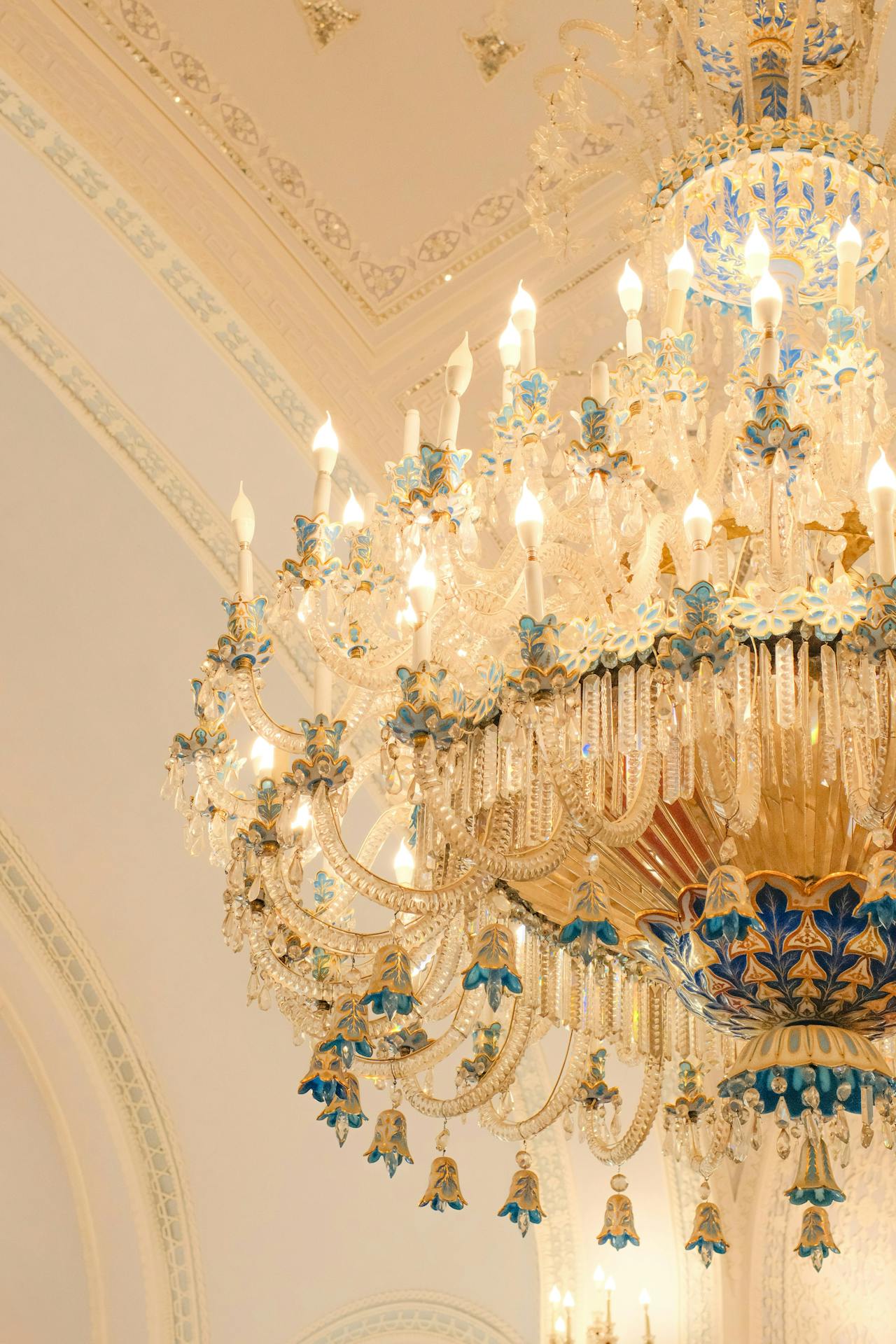
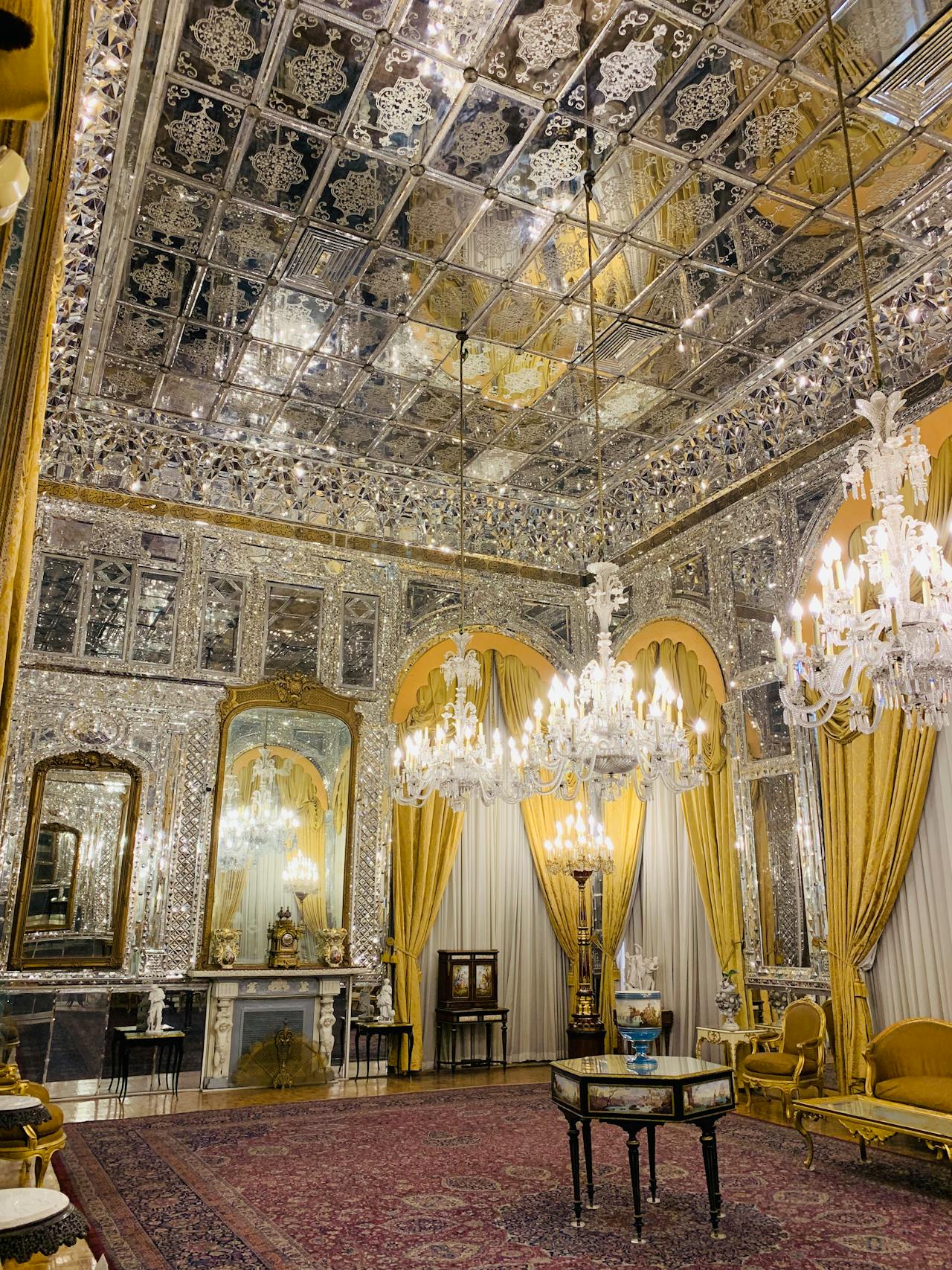
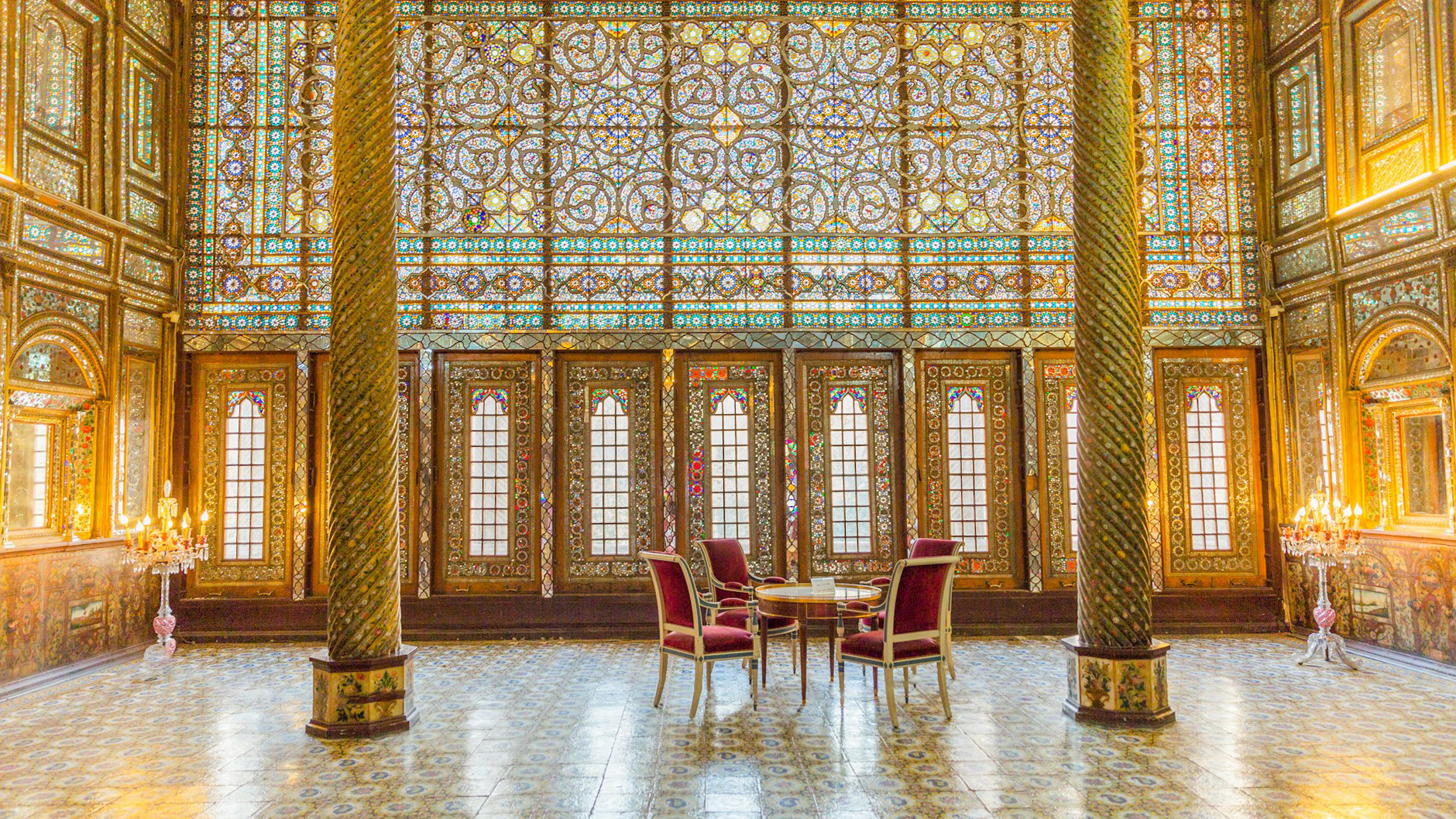
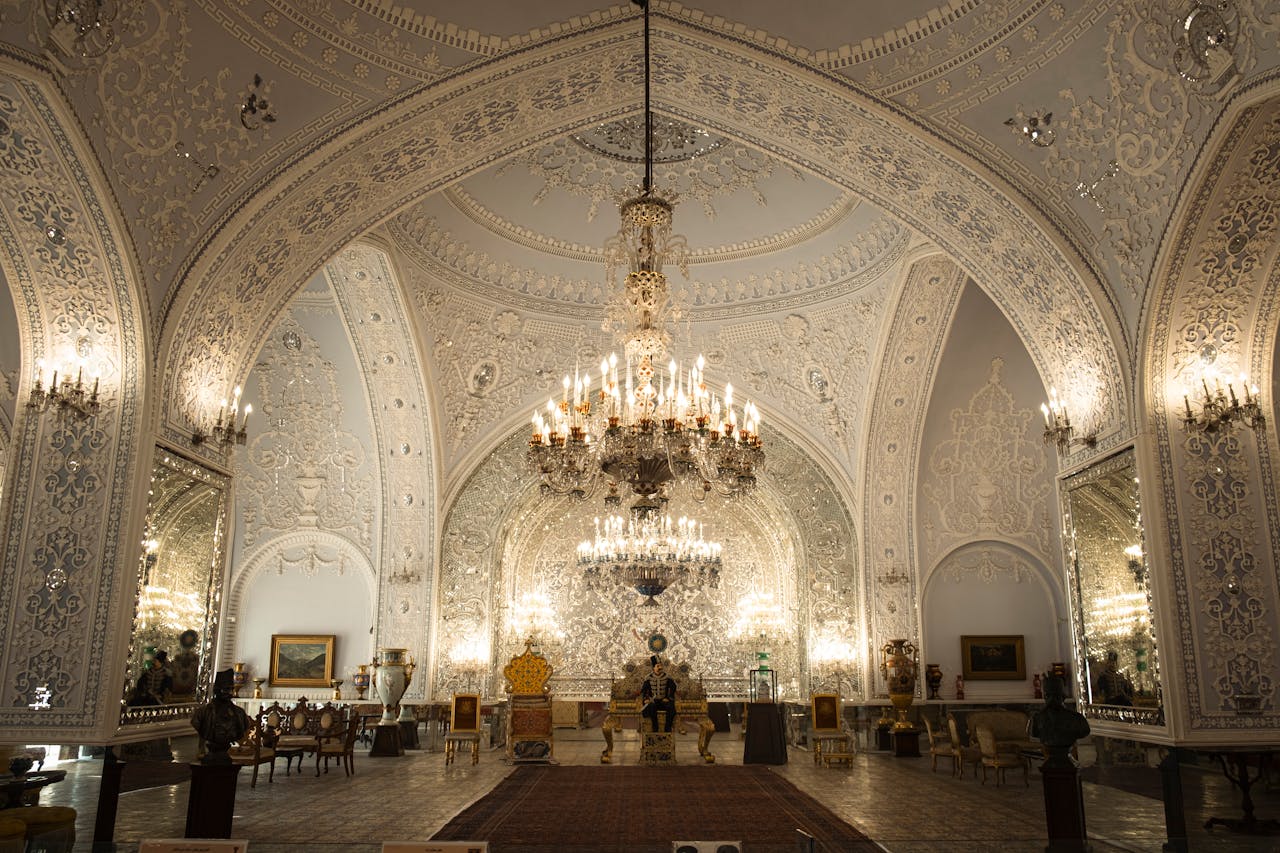
This contrast is visible in mirror halls inspired by European palaces, where Western ideas of grandeur and symmetry meet intricate Persian mirror mosaics. Oil paintings influenced by European realism introduced depth, perspective, and portraiture techniques unfamiliar to traditional miniature art, yet were applied to distinctly Iranian subjects and settings. Reception halls adopted new scales and ceremonial layouts while maintaining Persian proportions and decorative logic.
A defining example is Shams-ol-Emareh, a tower inspired by European buildings and designed to overlook Tehran. It represents a new way of engaging with the city — visually and symbolically — contrasting the inward focus of traditional palace architecture with a more outward-looking, urban perspective. Together, these elements formed a hybrid aesthetic that later influenced Iranian architecture, painting, and urban design.
PRACTICAL TIPS
- Plan 1.5–2 hours for a relaxed visit
- Visit early morning or late afternoon on non-holiday weekdays
- Closest metro station: Panzdah-e Khordad (Line 1), a short walk away
- Avoid weekends and public holidays due to heavy crowds
- Take time indoors to appreciate mirror work, paintings, and tile details
- Combine with the Grand Bazaar, located nearby
- Photography may be restricted in some rooms
NEARBY
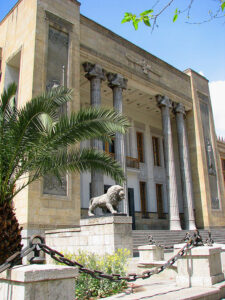
Treasury of National Jewels
A secure treasury displaying Iran’s royal jewels, where craftsmanship, power, and wealth are preserved through crowns, gemstones, and ceremonial objects of exceptional historical value.
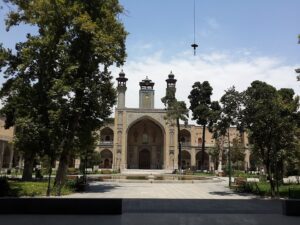
Motahhari Mosque
A grand mosque complex in Tehran combining domes, multiple minarets, courtyards, and tilework, reflecting a transitional moment between Iranian tradition and modern civic architecture.
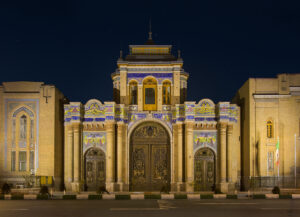
Portal of Bāgh-e Melli
A symbolic city gate marking Tehran’s shift toward modern urban identity, where traditional tilework and early national imagery frame a lost public garden.
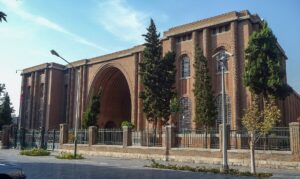
National Museum of Iran
Iran’s main archaeology museum, presenting artifacts from prehistoric Iran to the Islamic era, and offering a clear introduction to the depth and continuity of Iranian…
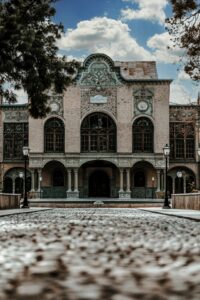
Masoudieh Palace
A Qajar-era palace near Tehran’s old city, where grand architecture reflects reformist ambitions, political tension, and the contrasts that shaped Iran’s transition into the modern…
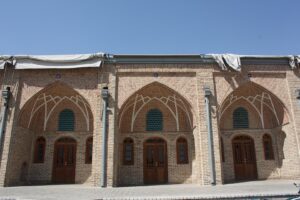
Khanat Caravanserai
A late caravanserai near Tehran’s Grand Bazaar, where traditional trade architecture reflects a transition from Silk Road travel to modern urban commerce and reuse.
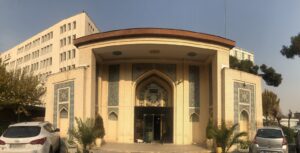
National Art Museum
A compact museum in Tehran showcasing Iranian art across periods, with a focus on craftsmanship and visual traditions presented in an intimate, gallery-style setting.
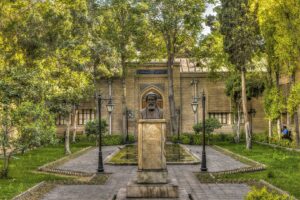
Negarestan Museum & Garden
A historic garden and former royal complex in central Tehran, now a museum space where art, education, and political history intersect within a calm courtyard…