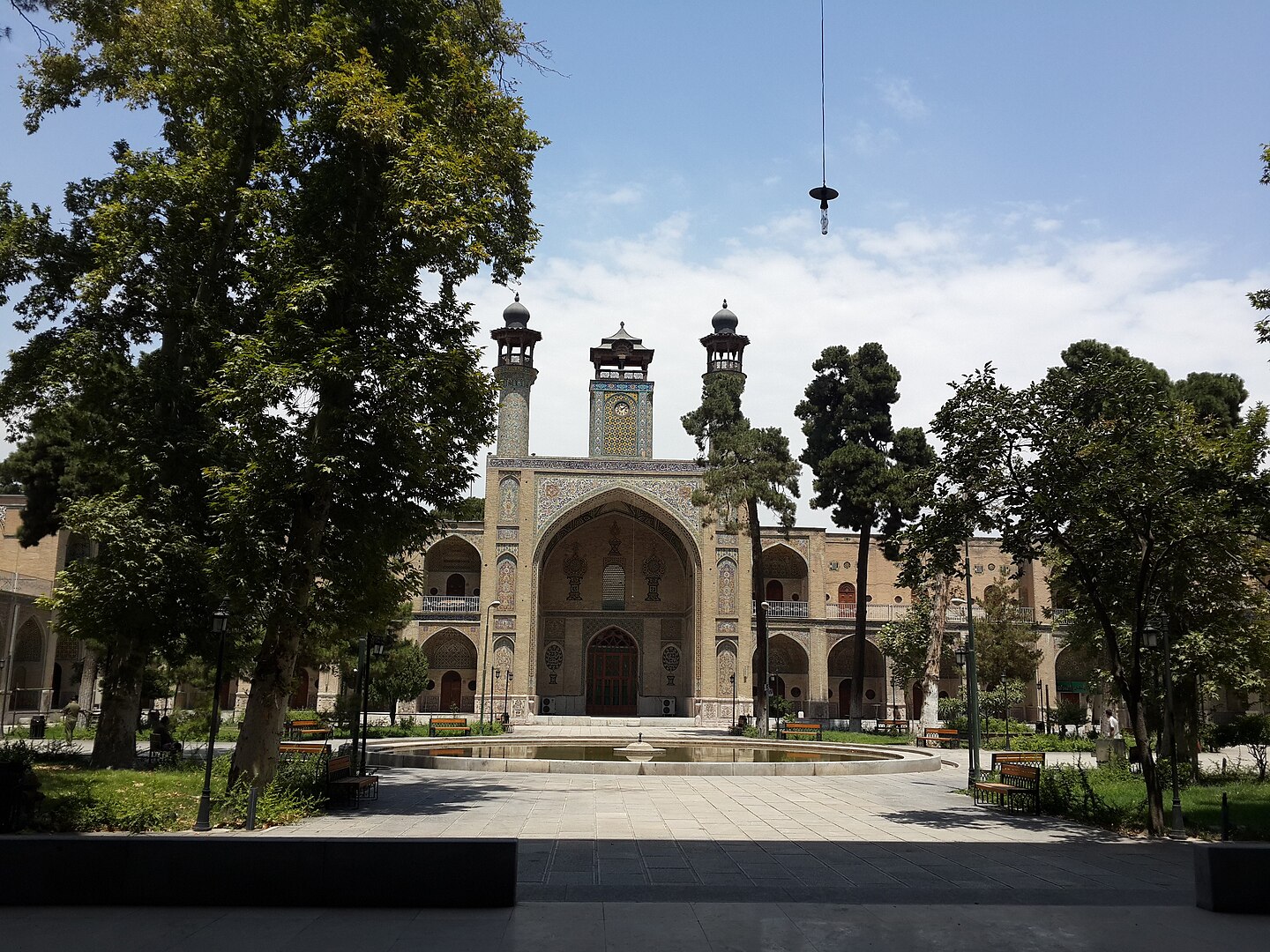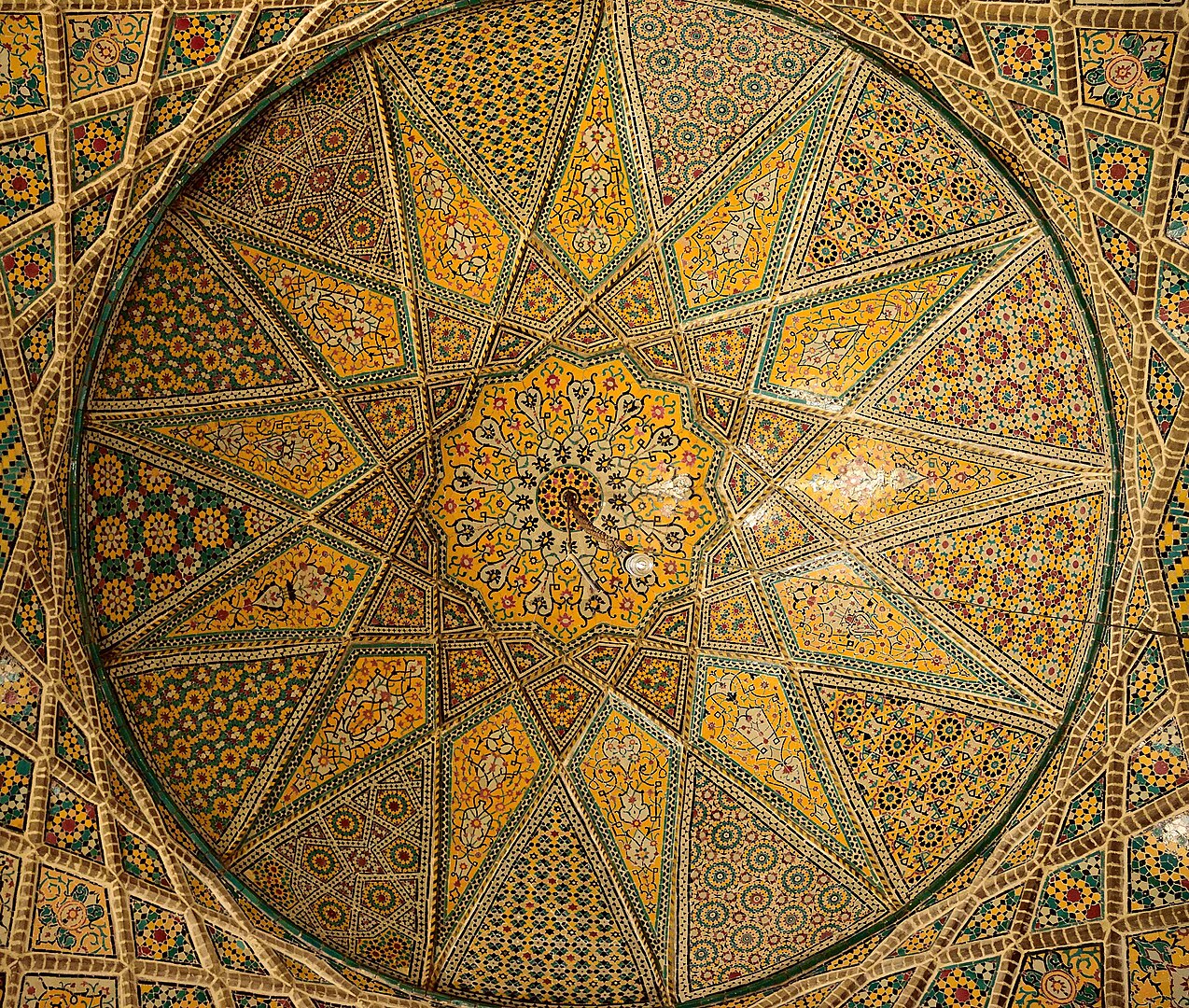
Motahhari Mosque

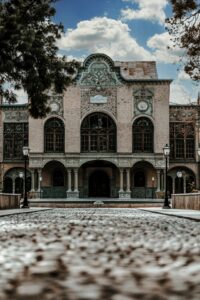
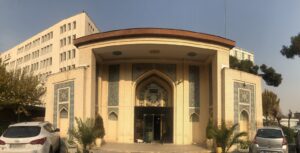
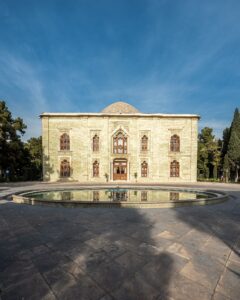
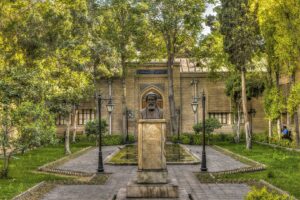
Sepahsalar Mosque is one of Tehran’s most architecturally distinctive religious complexes, built in the late 19th century during a period of reform and institutional change. Unlike earlier mosques, it was conceived as a planned ensemble, combining a mosque, madrasa, library, and courtyard spaces into a unified civic and educational complex.

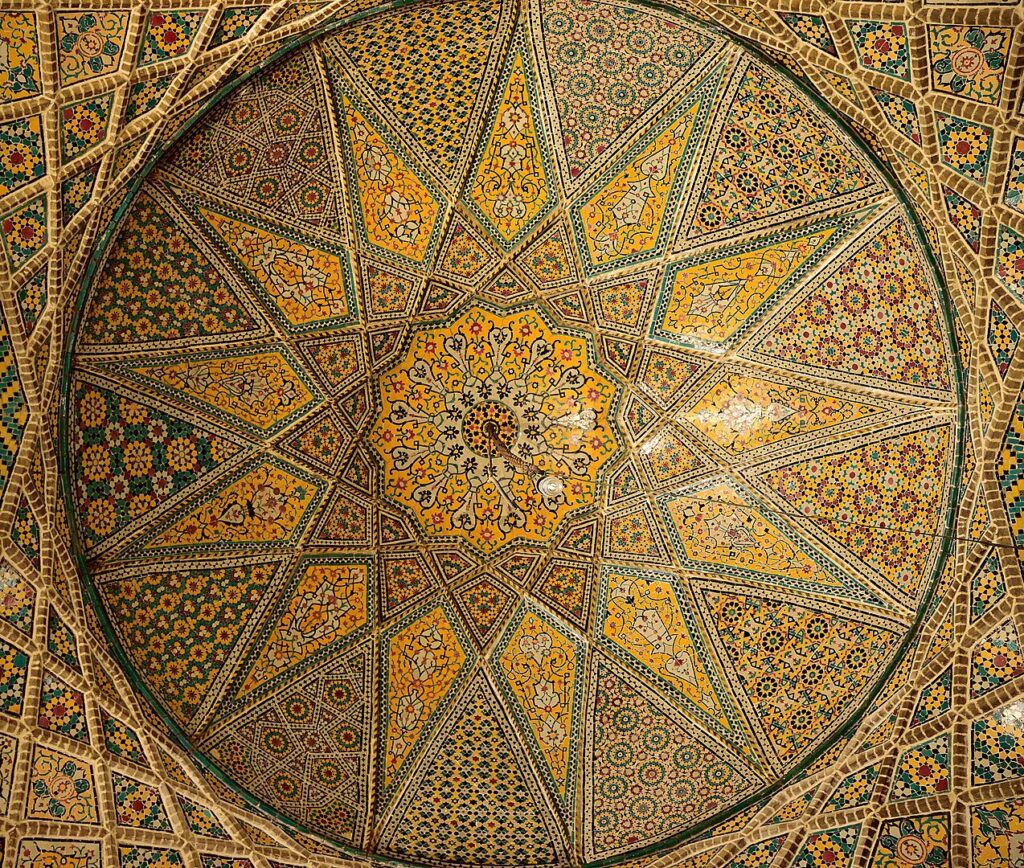
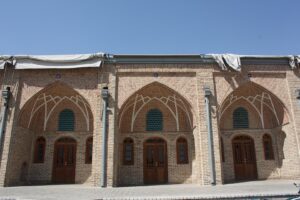
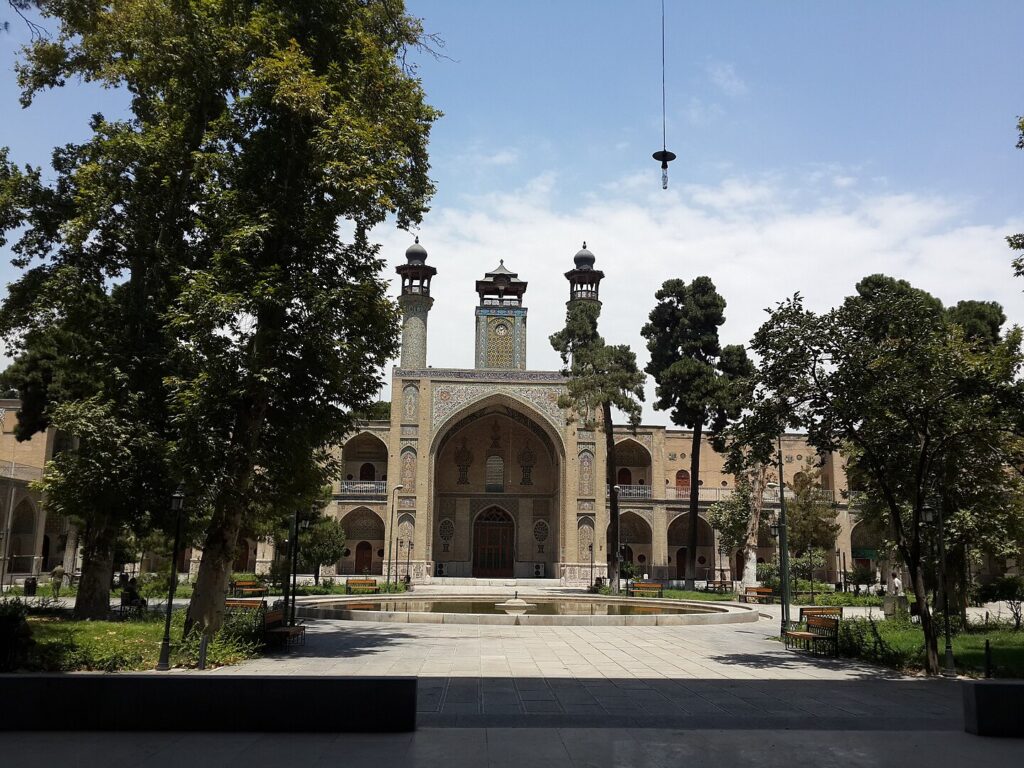
Architecturally, the mosque blends Iranian mosque traditions with Ottoman influences. It is organized around a large rectangular courtyard surrounded by arcades and teaching rooms, emphasizing symmetry and clarity of movement. The prayer hall is crowned by a large central dome, while eight slender minarets, an unusual feature in Iranian mosque architecture. Rich tilework, calligraphy panels, muqarnas details, and carefully proportioned iwans reinforce its ceremonial character without overwhelming the space.

Slightly removed from Tehran’s busiest streets, Sepahsalar Mosque remains active today.
Photos by: Wikipedia

PRACTICAL TIPS

  • Time needed: 30 minutes
  • Best time: Late morning or outside prayer times
  • Season: Year-round
  • Dress code: Modest dress required
  • Atmosphere: Calm, less crowded than bazaar mosques
  • Nearest station: Baharistan Metro Station (Line 2)

NEARBY

Golestan Palace

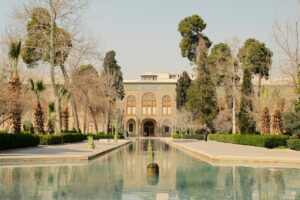
Golestan Palace is a popular UNESCO-listed royal complex in central Tehran, known for its Qajar-era architecture, mirrored halls, gardens, and ceremonial spaces.

National Museum of Iran

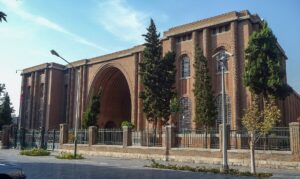
Iran’s main archaeology museum, presenting artifacts from prehistoric Iran to the Islamic era, and offering a clear introduction to the depth and continuity of Iranian…

Treasury of National Jewels

A secure treasury displaying Iran’s royal jewels, where craftsmanship, power, and wealth are preserved through crowns, gemstones, and ceremonial objects of exceptional historical value.

Masoudieh Palace

A Qajar-era palace near Tehran’s old city, where grand architecture reflects reformist ambitions, political tension, and the contrasts that shaped Iran’s transition into the modern…

National Art Museum

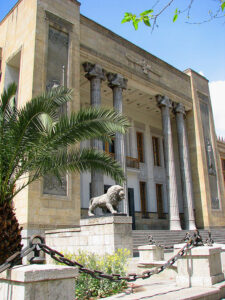
A compact museum in Tehran showcasing Iranian art across periods, with a focus on craftsmanship and visual traditions presented in an intimate, gallery-style setting.

Tehran Grand Bazaar

A vast historic marketplace at the heart of Tehran, where trade, craft, religion, and daily life intersect in a dense network of corridors, mosques, and…

Marble Palace

A ceremonial palace in central Tehran, known for its marble-clad architecture and domed hall, reflecting state power, control, and the political tensions of its time.

Negarestan Museum & Garden

A historic garden and former royal complex in central Tehran, now a museum space where art, education, and political history intersect within a calm courtyard…

Oudlajan Traditional Neighborhood

A historic quarter near Tehran’s Grand Bazaar, where narrow lanes, restored courtyard houses, and layered urban life reveal the city’s pre-modern residential fabric.

Khanat Caravanserai

A late caravanserai near Tehran’s Grand Bazaar, where traditional trade architecture reflects a transition from Silk Road travel to modern urban commerce and reuse.

Portal of Bāgh-e Melli

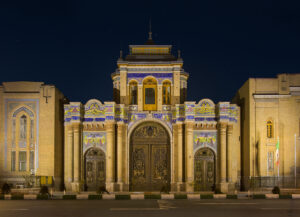
A symbolic city gate marking Tehran’s shift toward modern urban identity, where traditional tilework and early national imagery frame a lost public garden.