
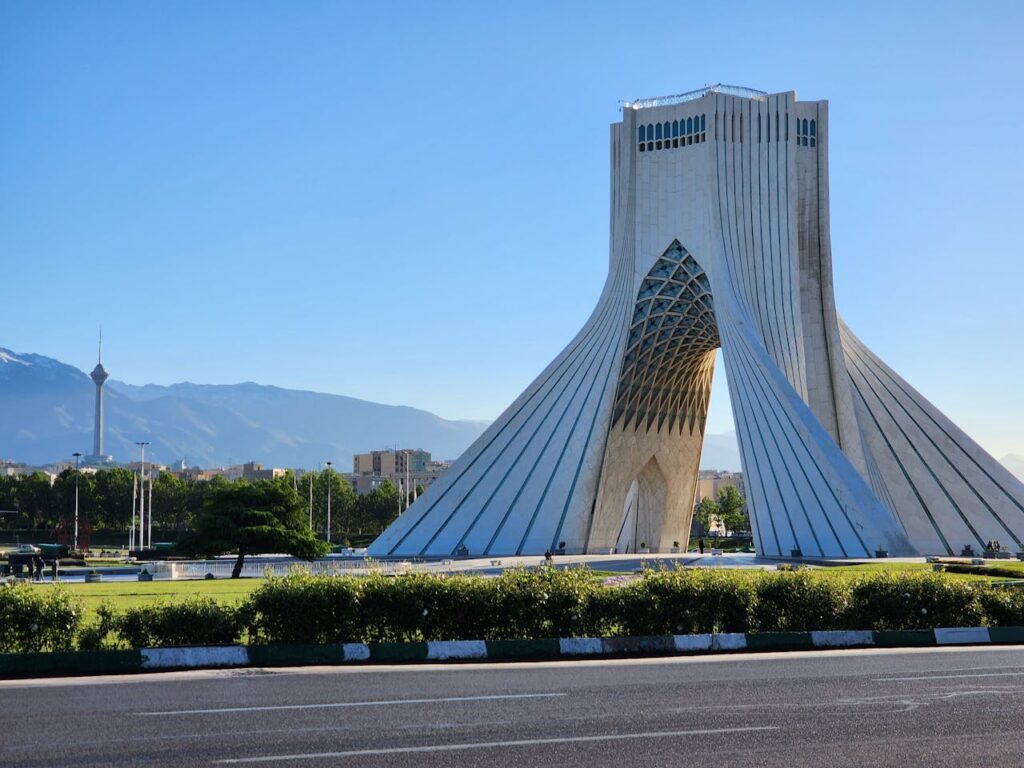
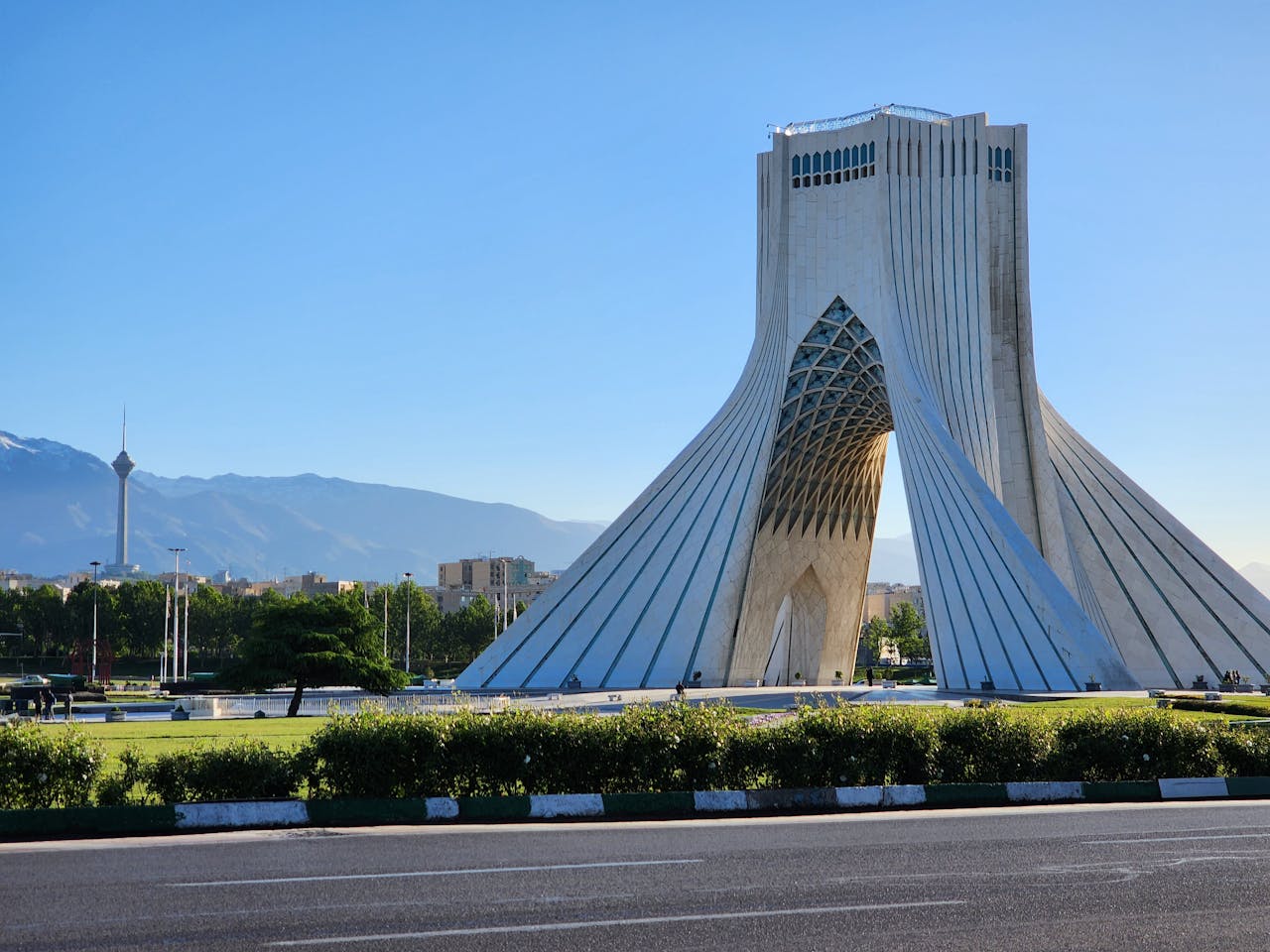
Standing at the western gateway of Tehran, Azadi Tower and Square form one of Iran’s most recognizable urban landmarks. More than a monument, Azadi is a civic space where architecture, politics, and public life intersect. Its clean geometry and vast open plaza make it both a visual anchor of the city and a place where collective memory is continuously shaped.
Photos by: Rashed Paykary, Ali Pourmahdi, Mahdi Bafande, Hossein Nasr, Aref Sarkhosh
Azadi Tower & Square
HISTORY
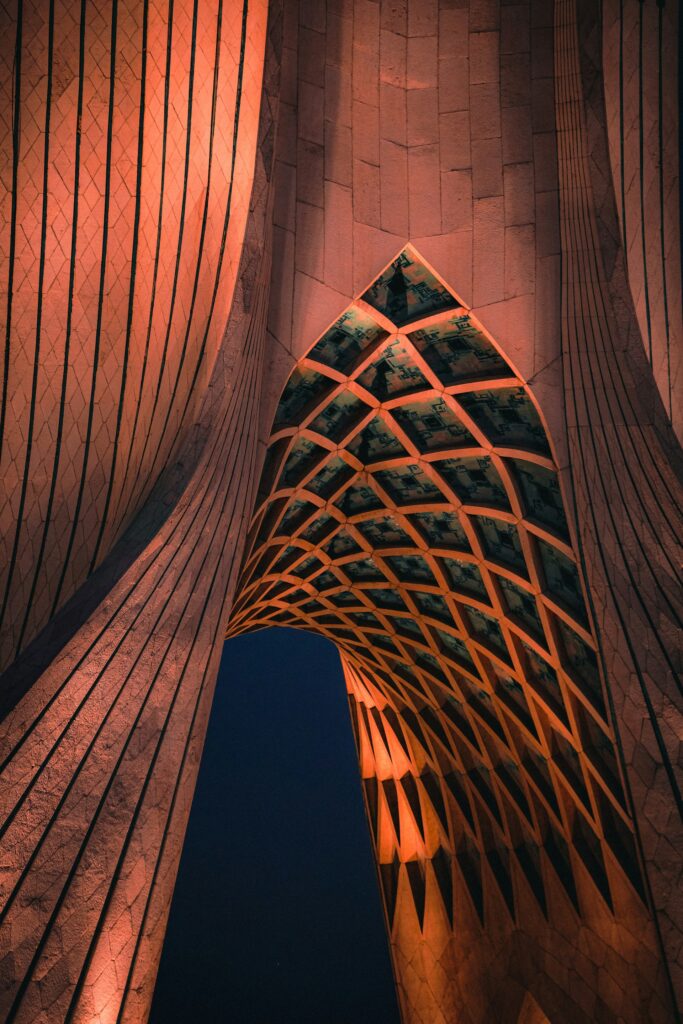
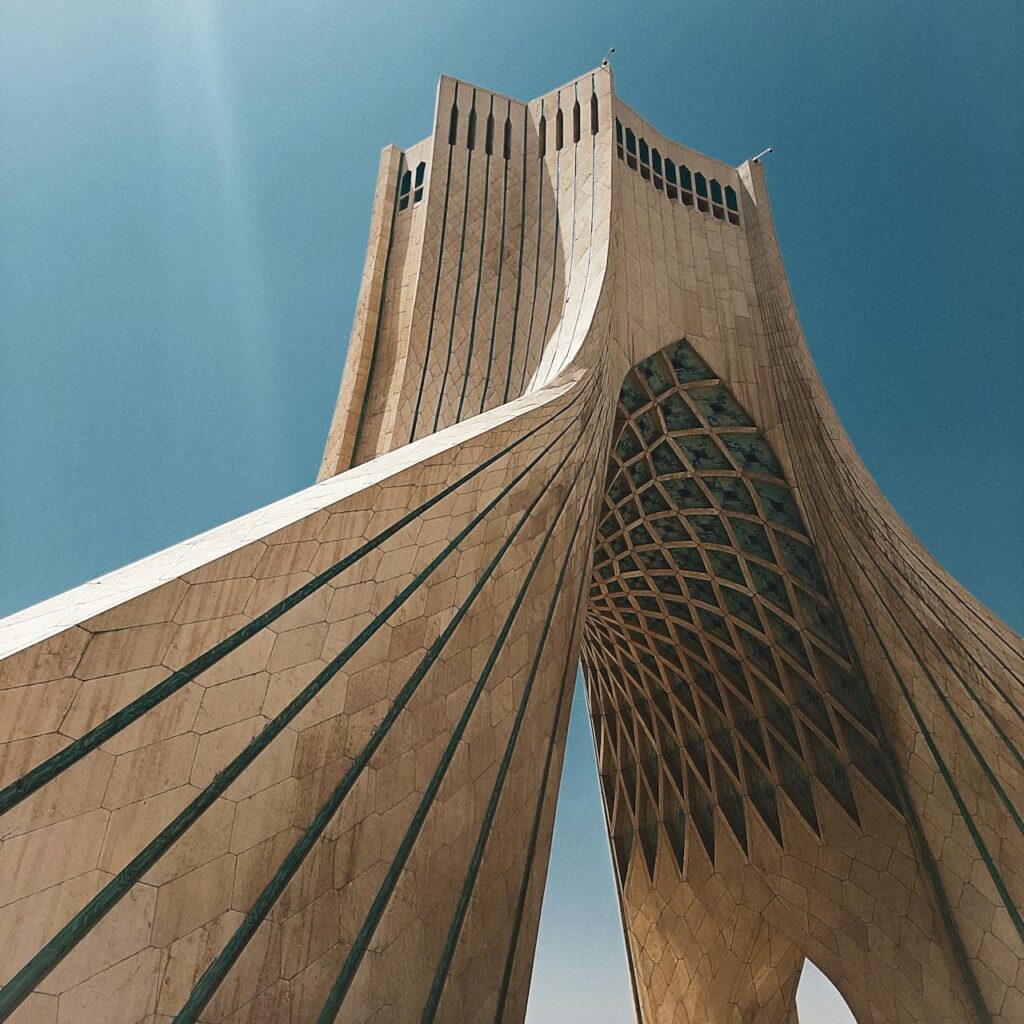
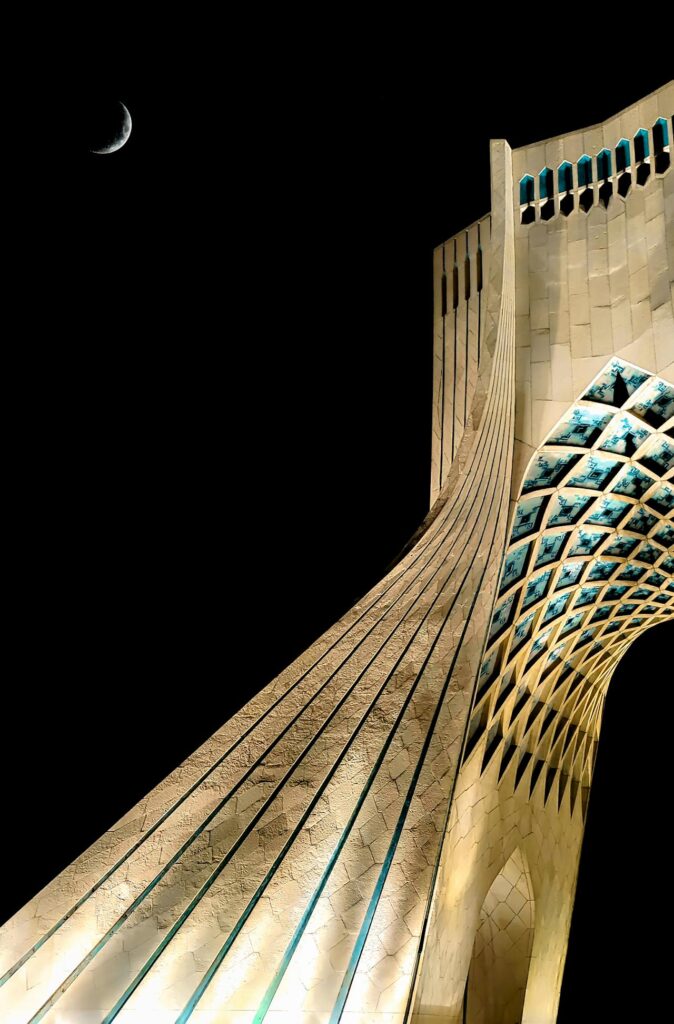
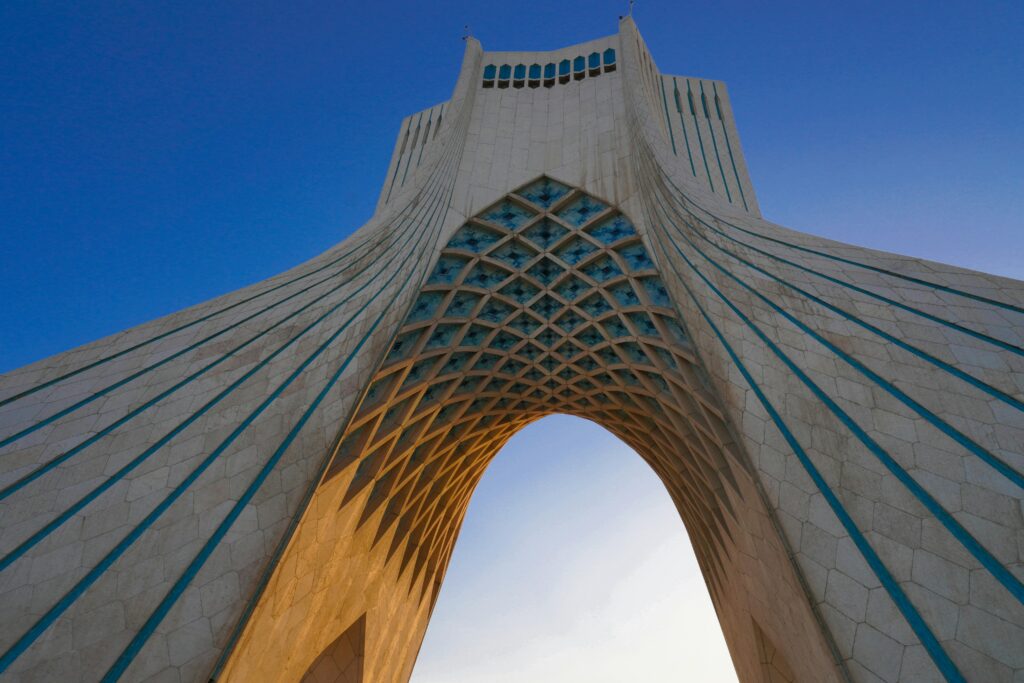
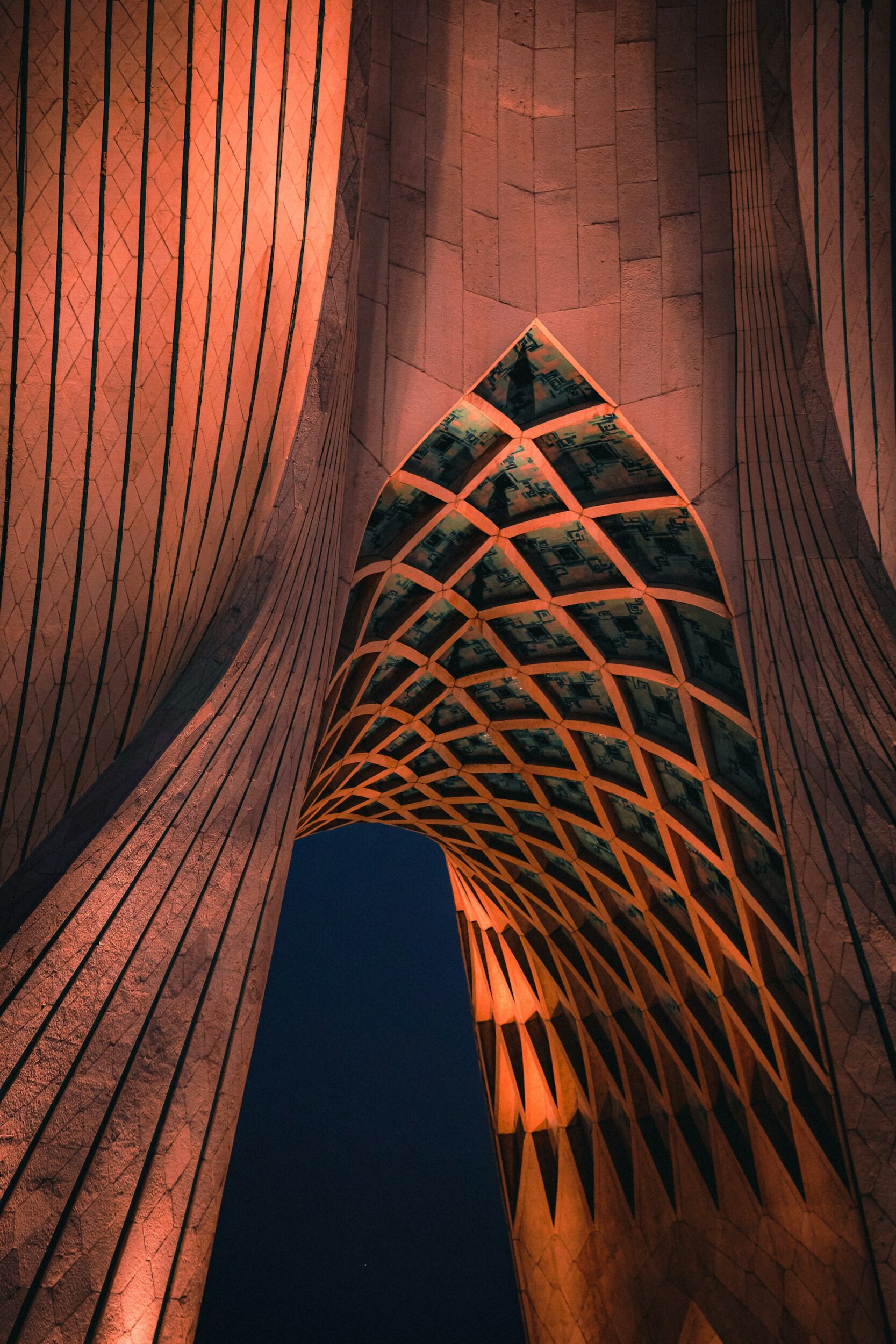
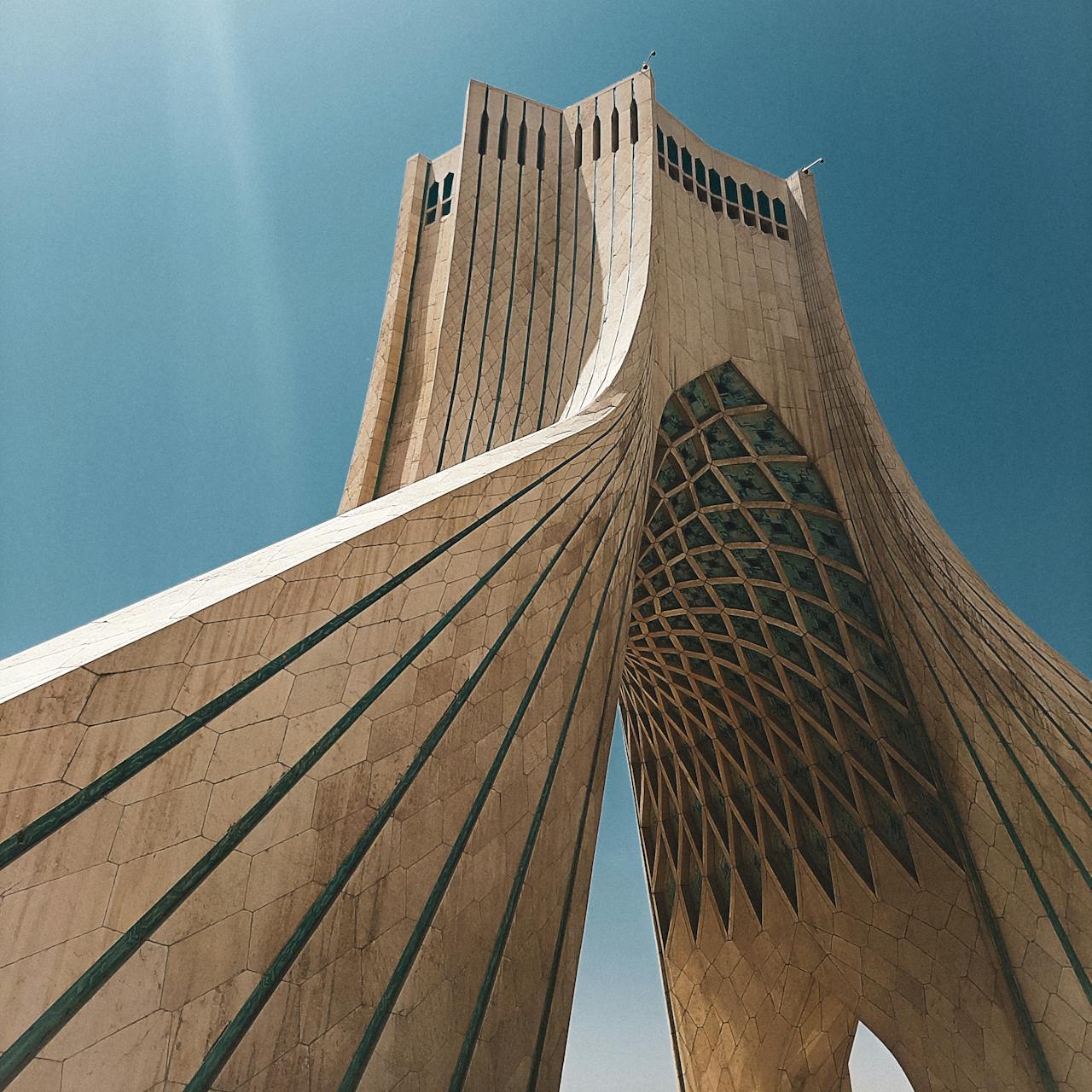
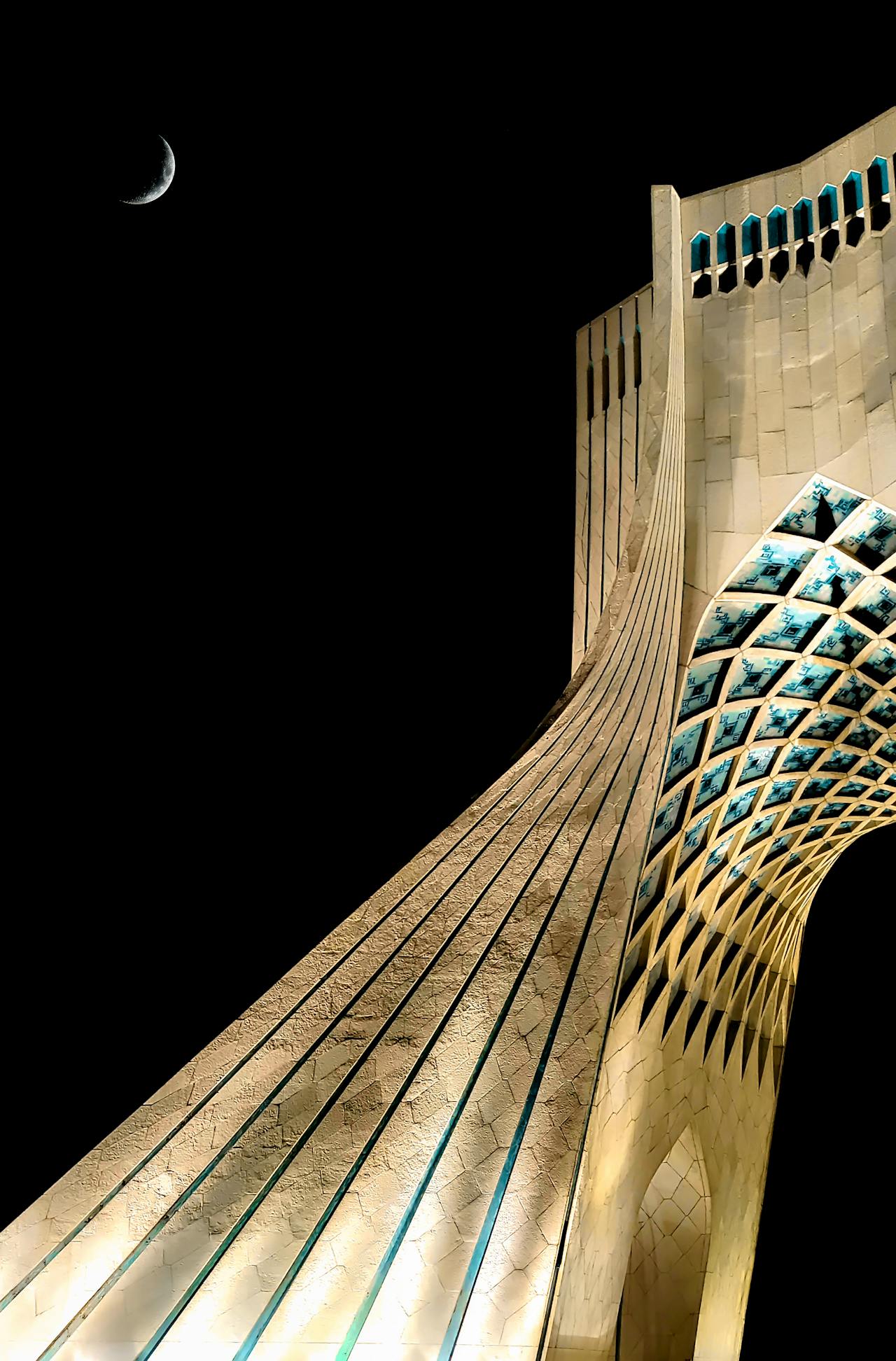
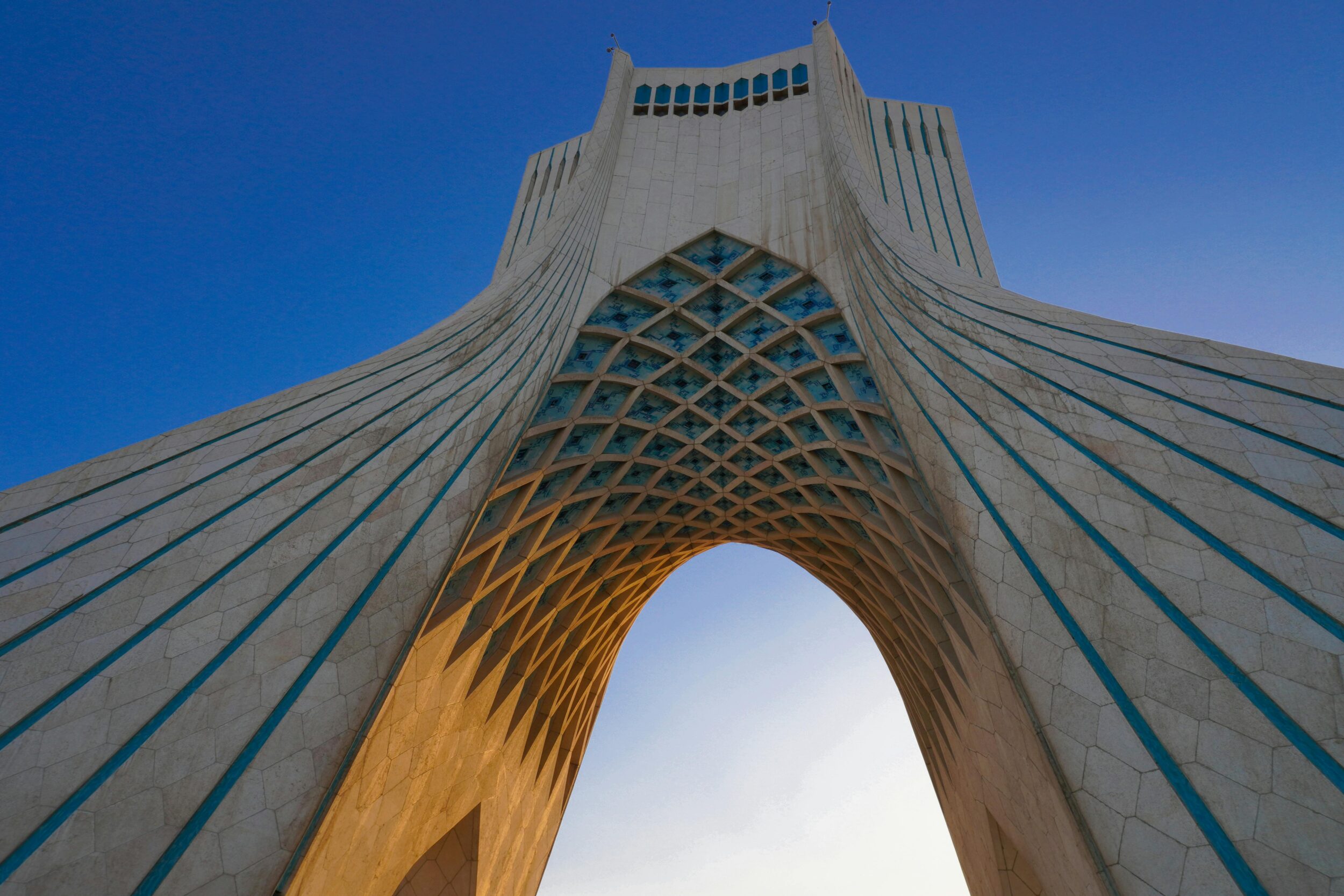
Azadi Tower was completed in 1971 to mark the 2,500th anniversary of the Persian Empire. Originally named Shahyad Tower, it was designed by Iranian architect Hossein Amanat as a contemporary monument that could represent Iran’s deep past while looking toward the future. The tower’s form blends references to pre-Islamic Persian architecture—such as Achaemenid and Sassanian arches—with Islamic geometry, all expressed through a modern architectural language.
After the Islamic Revolution of 1979, the monument was renamed Azadi (Freedom) Tower. Since then, Azadi Square has become one of Tehran’s most important public spaces, hosting major gatherings, demonstrations, celebrations, and national events. While the political meaning of the site has evolved, the structure itself has remained unchanged, allowing Azadi Tower to act as a constant reference point through shifting historical eras.
WHAT MAKES IT SPECIAL
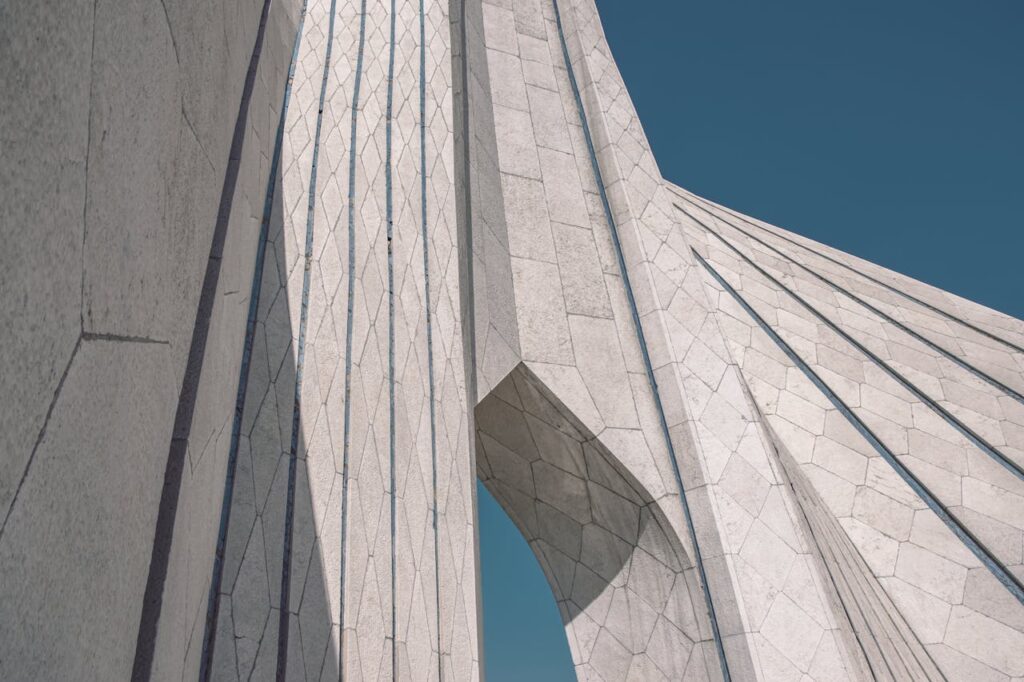
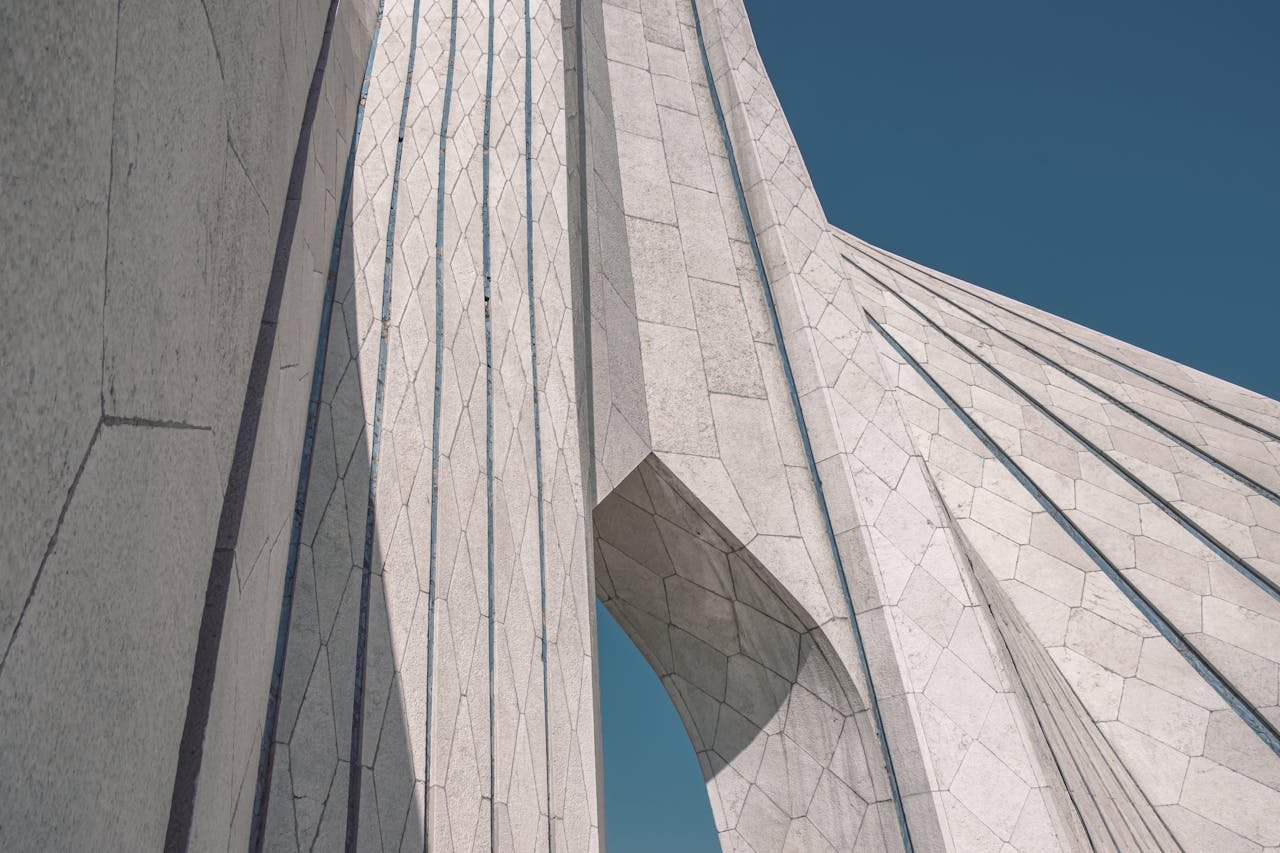
Azadi Tower is exceptional for how architecture carries layered meaning. It is neither purely ancient nor purely modern, but a carefully balanced synthesis of Iran’s architectural heritage and 20th-century design. The use of white stone, sweeping curves, and intersecting arches creates a monument that feels timeless rather than tied to a single ideology.
Equally important is the urban scale of Azadi Square. The vast open space surrounding the tower was intentionally designed to frame the monument from a distance, emphasizing openness, movement, and visibility. This makes Azadi not just something to look at, but a space to inhabit. The tower also contains interior galleries and an underground museum, where visitors can explore exhibitions related to Iranian history, culture, and architecture.
What truly sets Azadi apart is its role as a living symbol. Few landmarks in Iran have been as closely linked to public life. Over decades, Azadi Square has become a place where personal, political, and national narratives overlap—giving the tower a relevance that extends far beyond its architectural form.
PRACTICAL TIPS
- Best time to visit: Late afternoon or early evening for light and atmosphere
- Plan 45–90 minutes if including the interior museum
- Closest metro station: Azadi (Line 4), directly connected to the square
- Be prepared for scale: The square is vast; walking takes time
- Photography is best from a distance, especially at sunset
- Check access in advance if you want to enter the tower, as opening hours may vary
NEARBY
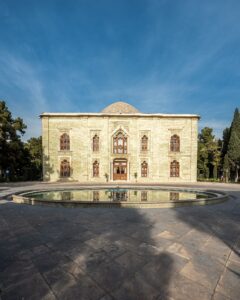
Marble Palace
A ceremonial palace in central Tehran, known for its marble-clad architecture and domed hall, reflecting state power, control, and the political tensions of its time.
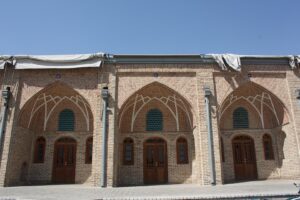
Khanat Caravanserai
A late caravanserai near Tehran’s Grand Bazaar, where traditional trade architecture reflects a transition from Silk Road travel to modern urban commerce and reuse.
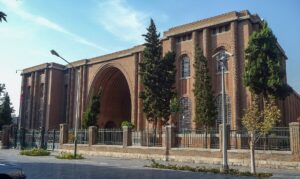
National Museum of Iran
Iran’s main archaeology museum, presenting artifacts from prehistoric Iran to the Islamic era, and offering a clear introduction to the depth and continuity of Iranian…
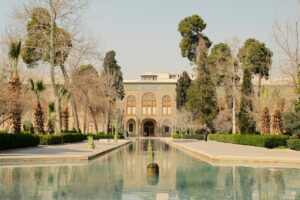
Golestan Palace
Golestan Palace is a popular UNESCO-listed royal complex in central Tehran, known for its Qajar-era architecture, mirrored halls, gardens, and ceremonial spaces.
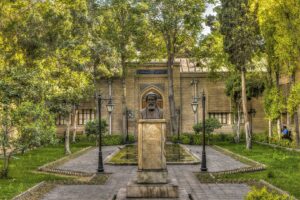
Negarestan Museum & Garden
A historic garden and former royal complex in central Tehran, now a museum space where art, education, and political history intersect within a calm courtyard…
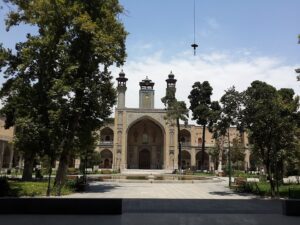
Motahhari Mosque
A grand mosque complex in Tehran combining domes, multiple minarets, courtyards, and tilework, reflecting a transitional moment between Iranian tradition and modern civic architecture.
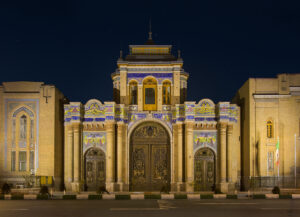
Portal of Bāgh-e Melli
A symbolic city gate marking Tehran’s shift toward modern urban identity, where traditional tilework and early national imagery frame a lost public garden.
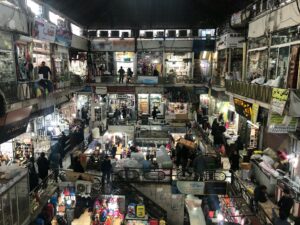
Tehran Grand Bazaar
A vast historic marketplace at the heart of Tehran, where trade, craft, religion, and daily life intersect in a dense network of corridors, mosques, and…