
Khanat Caravanserai is a hidden courtyard of old Tehran — a place that feels suspended between eras. Built for commerce in the age of caravans, it still carries the logic of trade, storage, and enclosure, even as modern Tehran rushes around it. Today it stands as a rare urban survival: restored as heritage, still shaped by everyday use.
PRACTICAL TIPS
- Plan 30–60 minutes
- Best time to visit: Morning to early afternoon on weekdays
- Closest metro station: Mohammadiyeh (Line 7)
- Expect a working, lived-in atmosphere rather than a polished museum
- Combine with a walk through the Molavi and Bazaar-adjacent streets for deeper “old Tehran” context
HISTORY
Khanat Caravanserai belongs to a Tehran that once moved at the pace of trade, animals, and human-scale commerce. Its name comes from “khan”, a term historically used across Iran and Central Asia to describe an inn or trading house. Khanat, in its collective form, refers to a compound of commercial rooms and spaces — signaling that this was never meant to be just a place to sleep, but a functioning hub of urban trade.
Built in the late Qajar period, Khanat was designed as an inner-city caravanserai, integrated directly into Tehran’s market network. Unlike classical Silk Road caravanserais built outside cities for one-night stops between long journeys, Khanat served merchants operating within the city. Goods were stored, traded, and redistributed here; some merchants rented rooms for extended periods, using the space as a commercial base rather than temporary shelter.
As trade routes, transport technologies, and economic systems evolved, the age of caravans gradually faded. Khanat, however, did not fall out of use. Its role shifted from hosting traveling caravans to anchoring local commerce. In the 2000s, the site was restored and gradually reintroduced as a heritage and cultural destination — without fully losing its commercial character. This layered continuity is what gives the space its particular atmosphere today.
WHAT MAKES IT SPECIAL
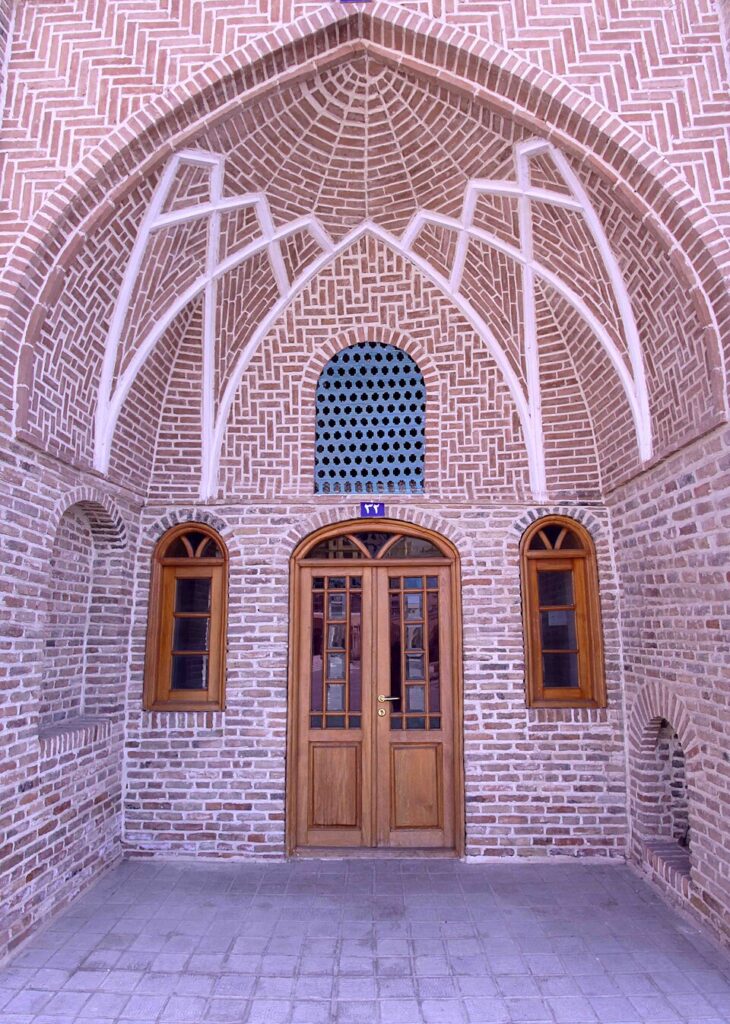
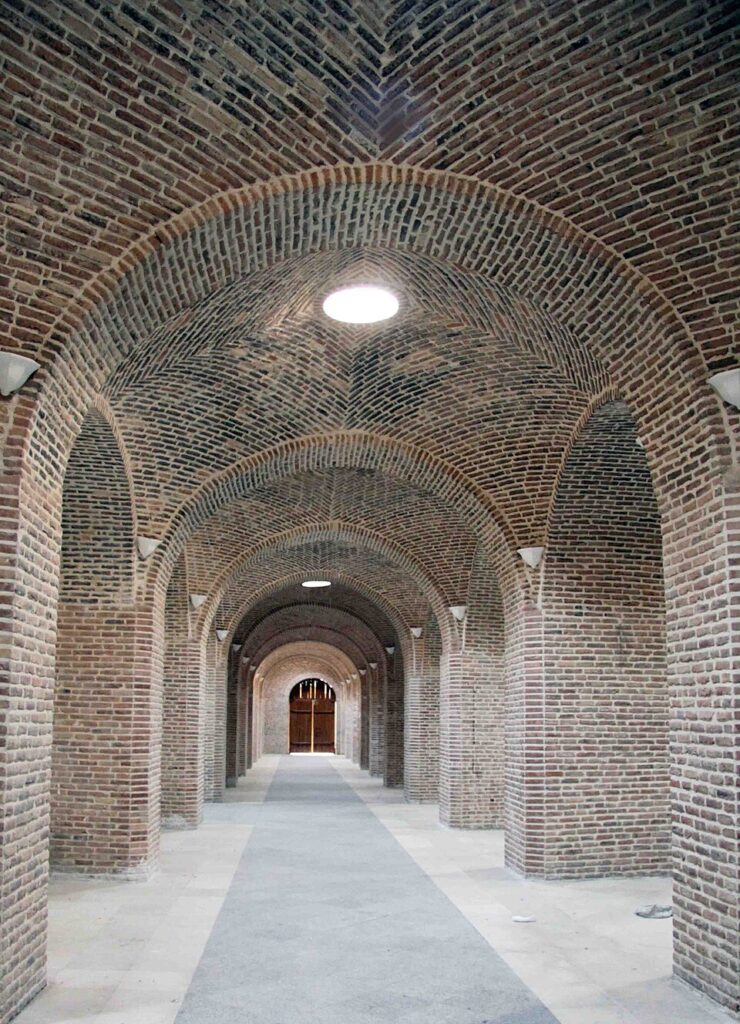
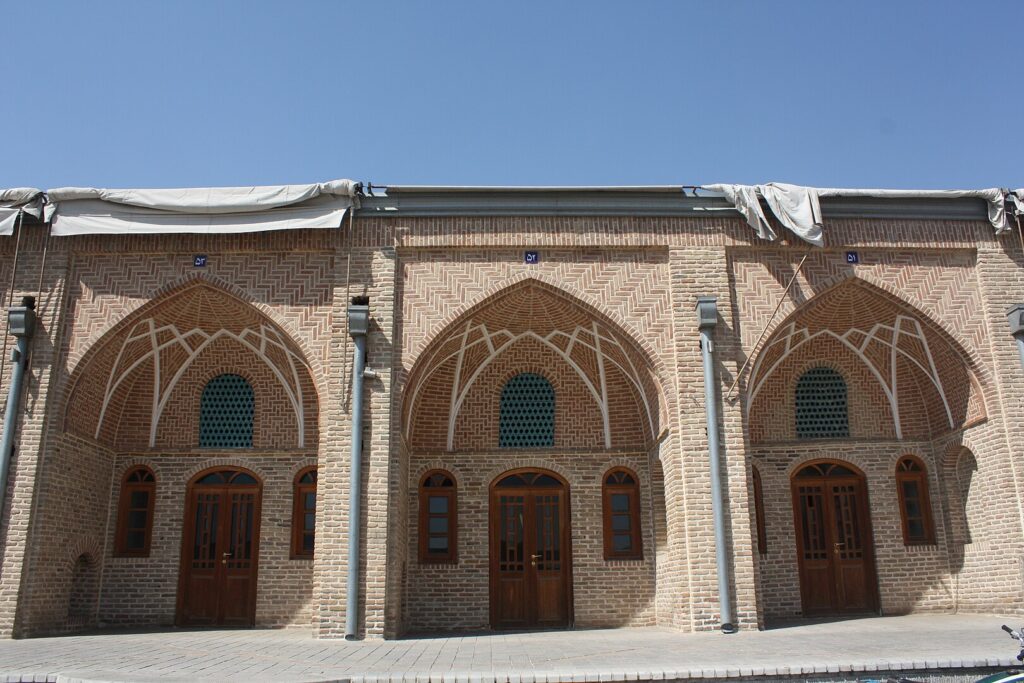
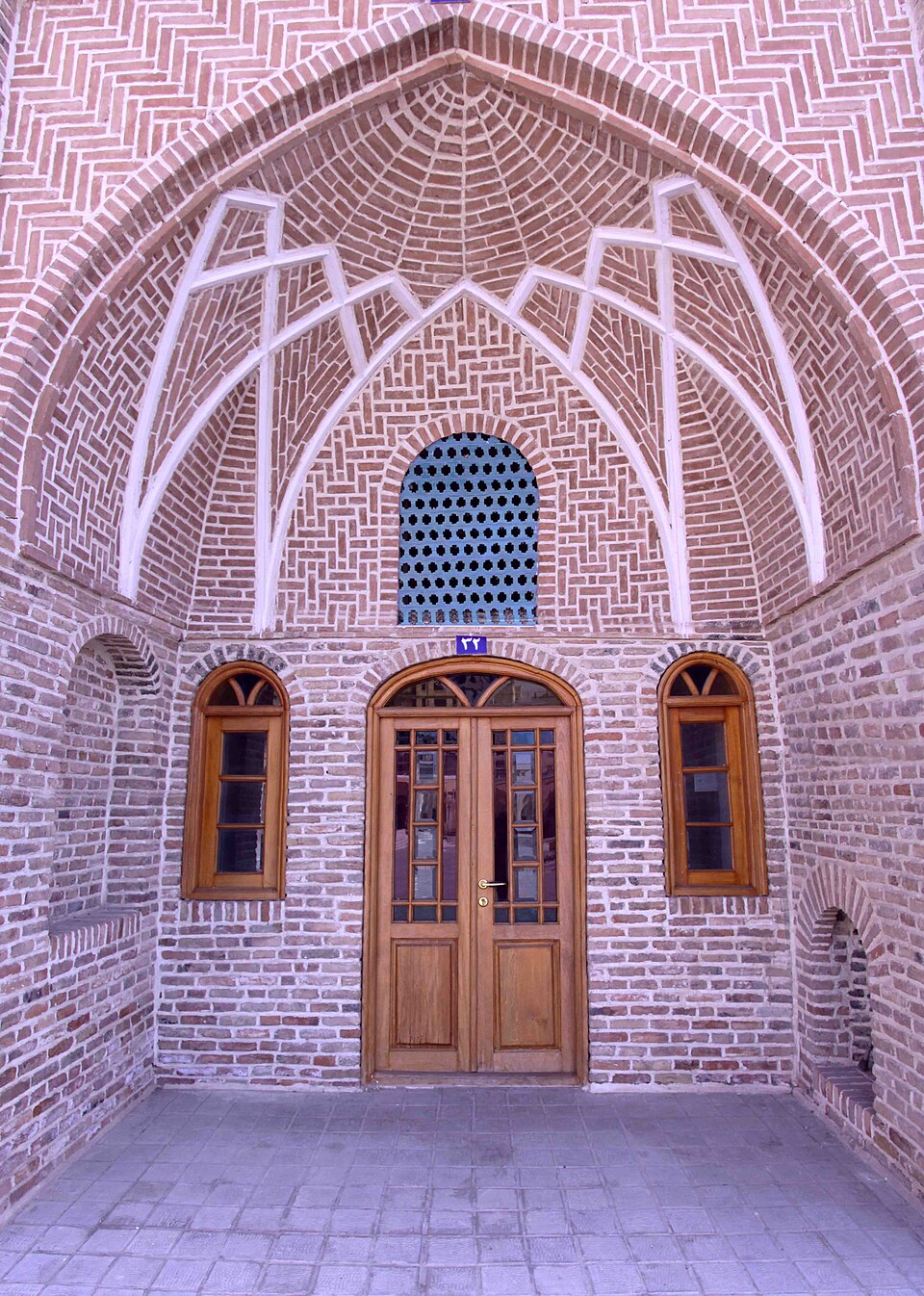
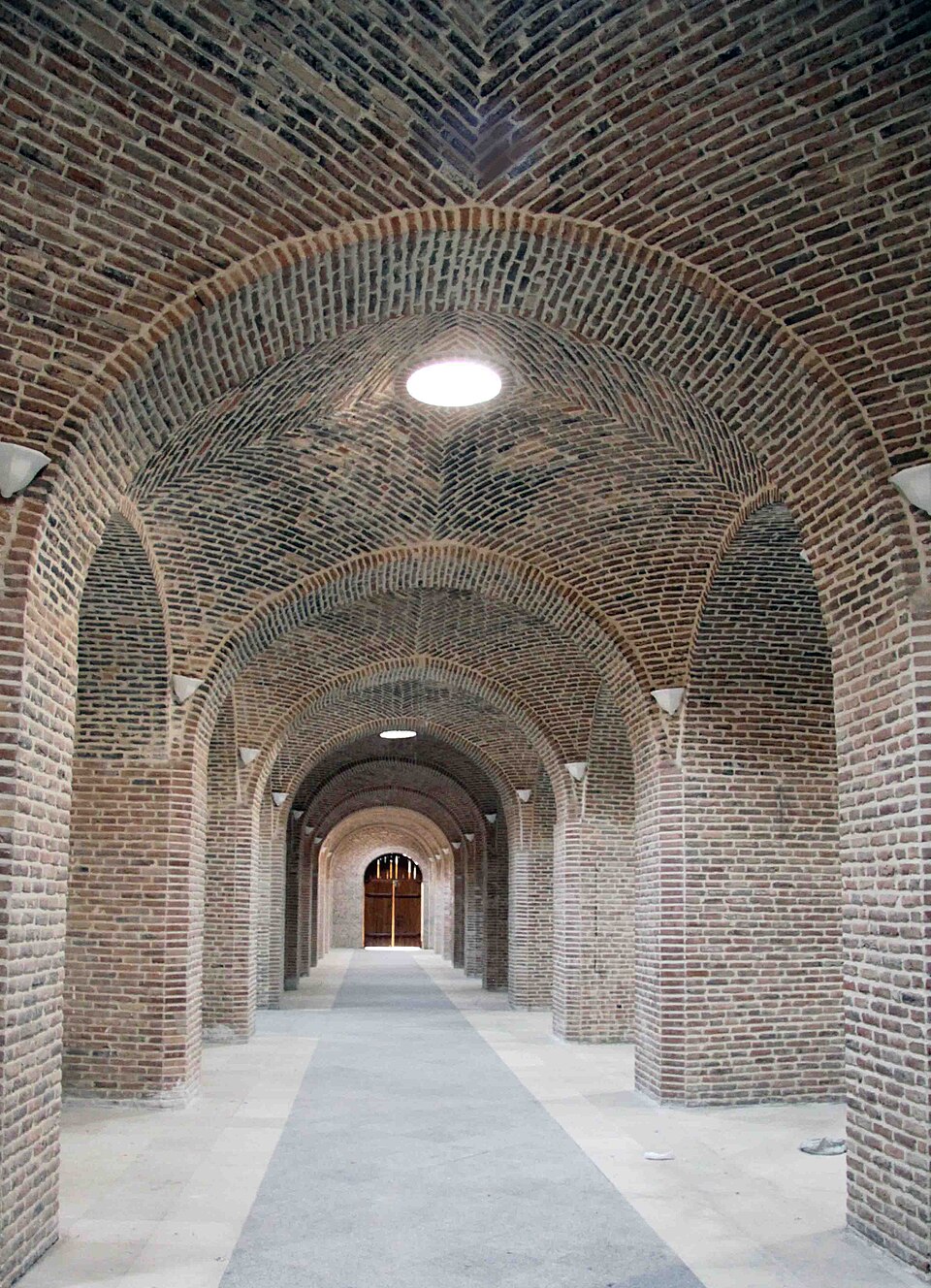
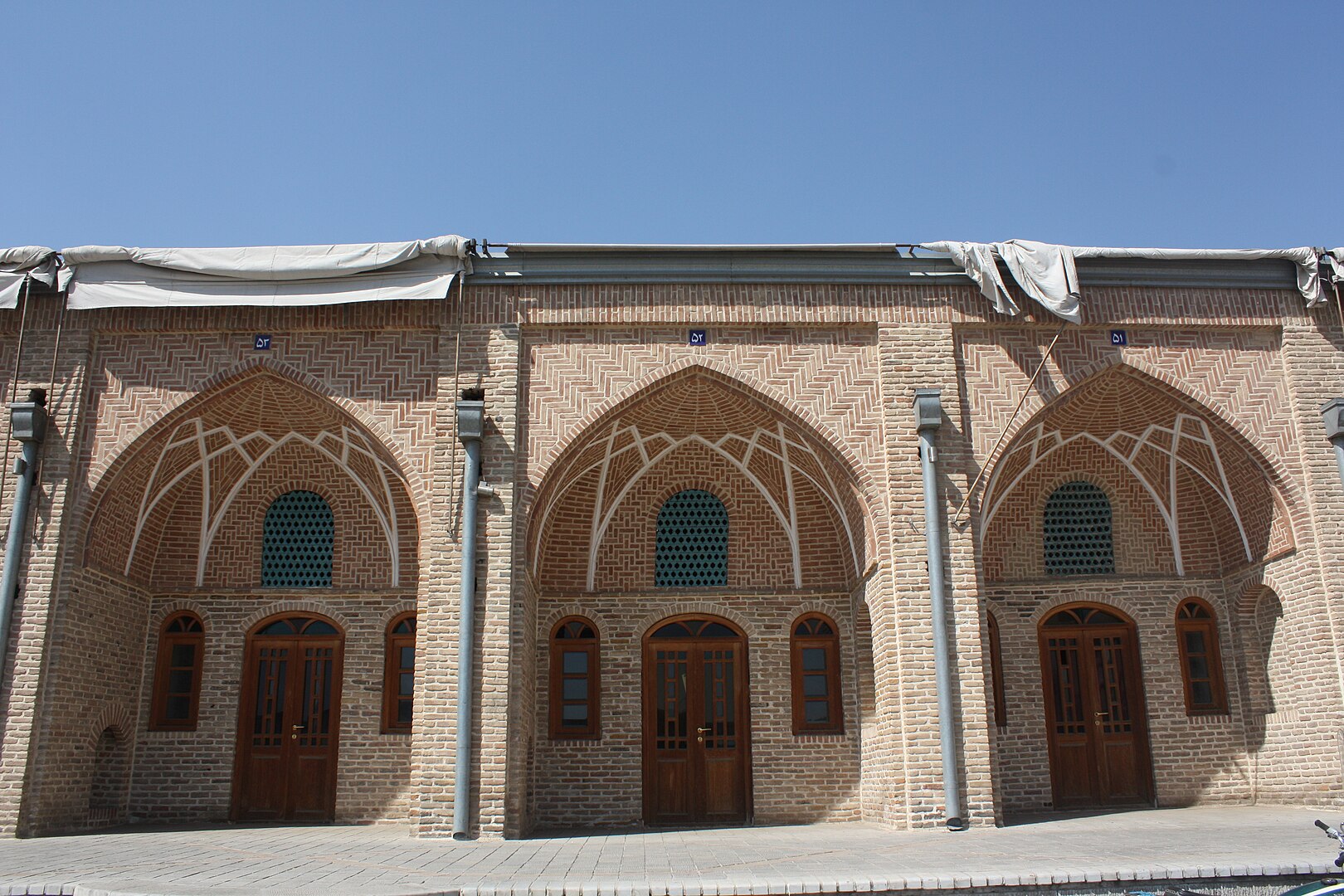
Khanat Caravanserai feels like a structure suspended between eras, and that is precisely its strength. The classic caravanserai layout remains intact: a central courtyard enclosed by brick arcades and rhythmic openings, designed to protect goods, regulate movement, and create order within a dense city.
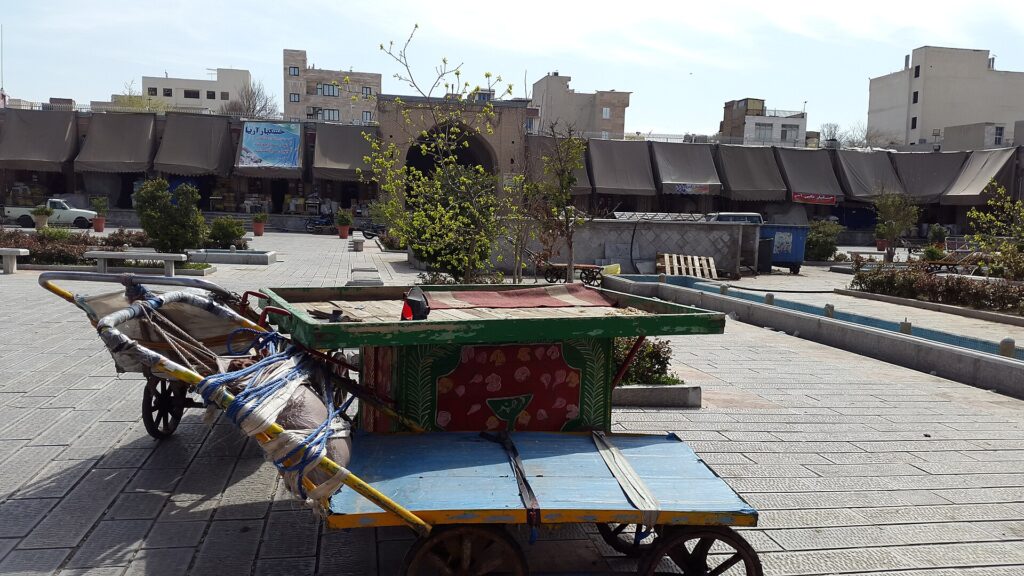
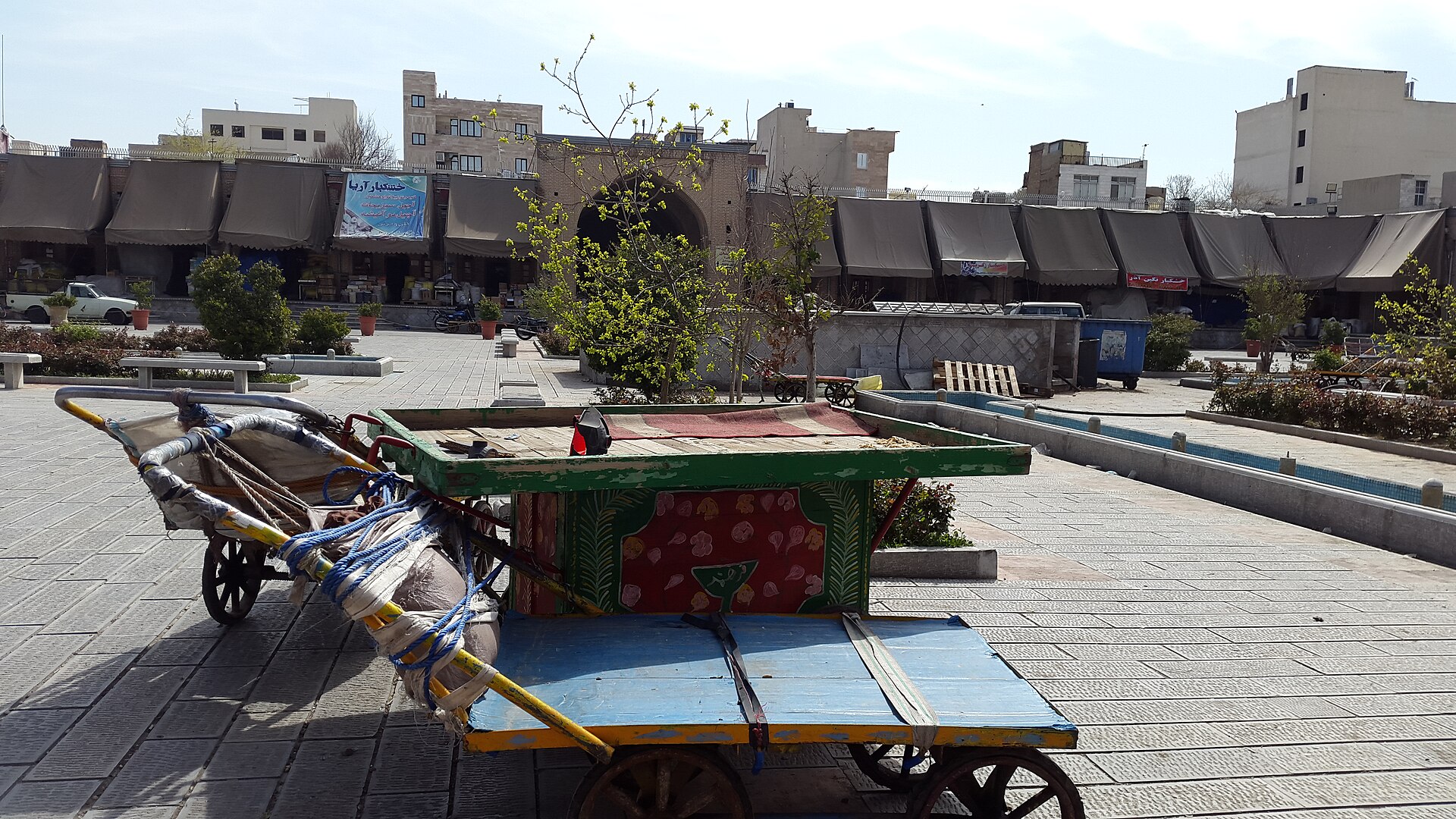
The experience is defined by contrast. Outside, modern Tehran moves fast and loud; inside, the courtyard feels enclosed, calm, and measured, as if it still expects caravans to arrive. Yet the reality has changed. Today, Khanat is tied more to local trade and cultural presence than long-distance travel.
What makes Khanat special is not preservation alone, but adaptation. It demonstrates how urban architecture survives by shifting function rather than freezing in time. Khanat is not a museum of the Silk Road; it is a living remnant of it — a place where the logic of caravan trade still shapes space, even after the caravans themselves are gone.
NEARBY
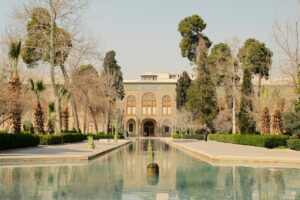
Golestan Palace
Golestan Palace is a popular UNESCO-listed royal complex in central Tehran, known for its Qajar-era architecture, mirrored halls, gardens, and ceremonial spaces.
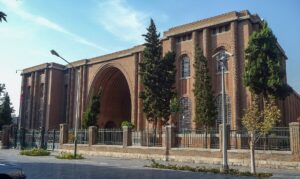
National Museum of Iran
Iran’s main archaeology museum, presenting artifacts from prehistoric Iran to the Islamic era, and offering a clear introduction to the depth and continuity of Iranian…
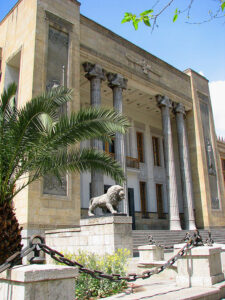
Treasury of National Jewels
A secure treasury displaying Iran’s royal jewels, where craftsmanship, power, and wealth are preserved through crowns, gemstones, and ceremonial objects of exceptional historical value.
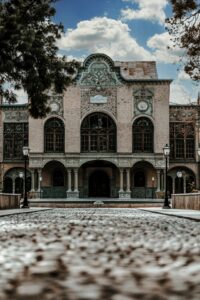
Masoudieh Palace
A Qajar-era palace near Tehran’s old city, where grand architecture reflects reformist ambitions, political tension, and the contrasts that shaped Iran’s transition into the modern…
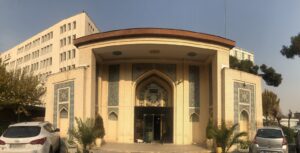
National Art Museum
A compact museum in Tehran showcasing Iranian art across periods, with a focus on craftsmanship and visual traditions presented in an intimate, gallery-style setting.
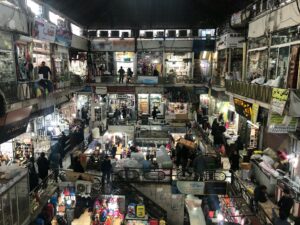
Tehran Grand Bazaar
A vast historic marketplace at the heart of Tehran, where trade, craft, religion, and daily life intersect in a dense network of corridors, mosques, and…
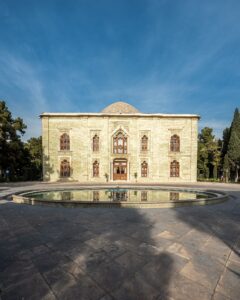
Marble Palace
A ceremonial palace in central Tehran, known for its marble-clad architecture and domed hall, reflecting state power, control, and the political tensions of its time.
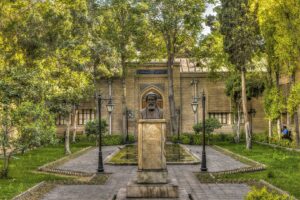
Negarestan Museum & Garden
A historic garden and former royal complex in central Tehran, now a museum space where art, education, and political history intersect within a calm courtyard…
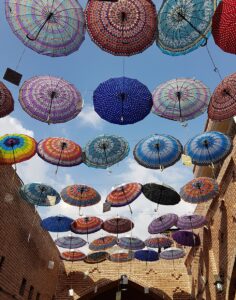
Oudlajan Traditional Neighborhood
A historic quarter near Tehran’s Grand Bazaar, where narrow lanes, restored courtyard houses, and layered urban life reveal the city’s pre-modern residential fabric.
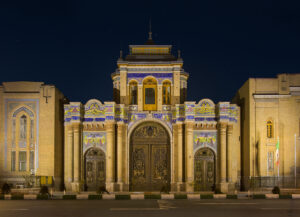
Portal of Bāgh-e Melli
A symbolic city gate marking Tehran’s shift toward modern urban identity, where traditional tilework and early national imagery frame a lost public garden.
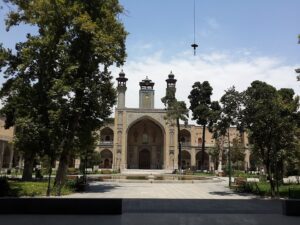
Motahhari Mosque
A grand mosque complex in Tehran combining domes, multiple minarets, courtyards, and tilework, reflecting a transitional moment between Iranian tradition and modern civic architecture.