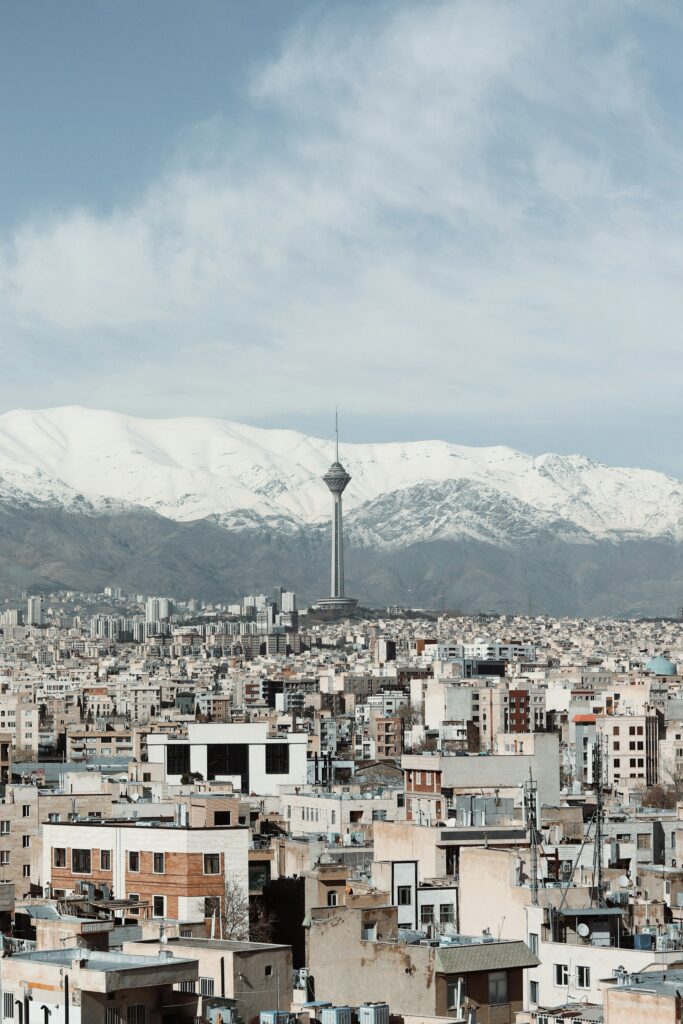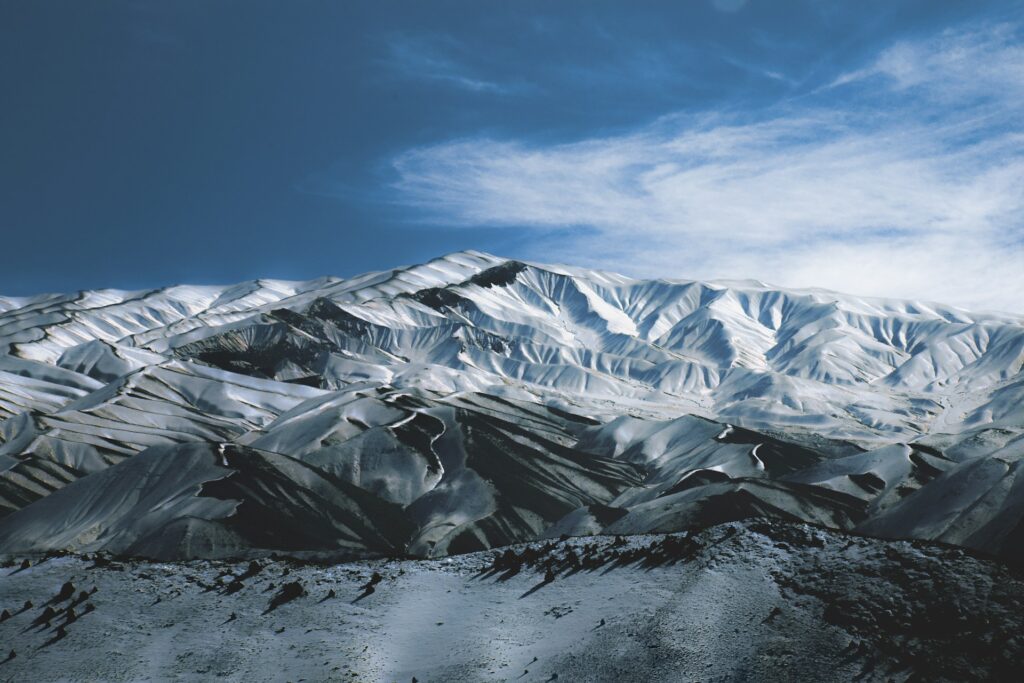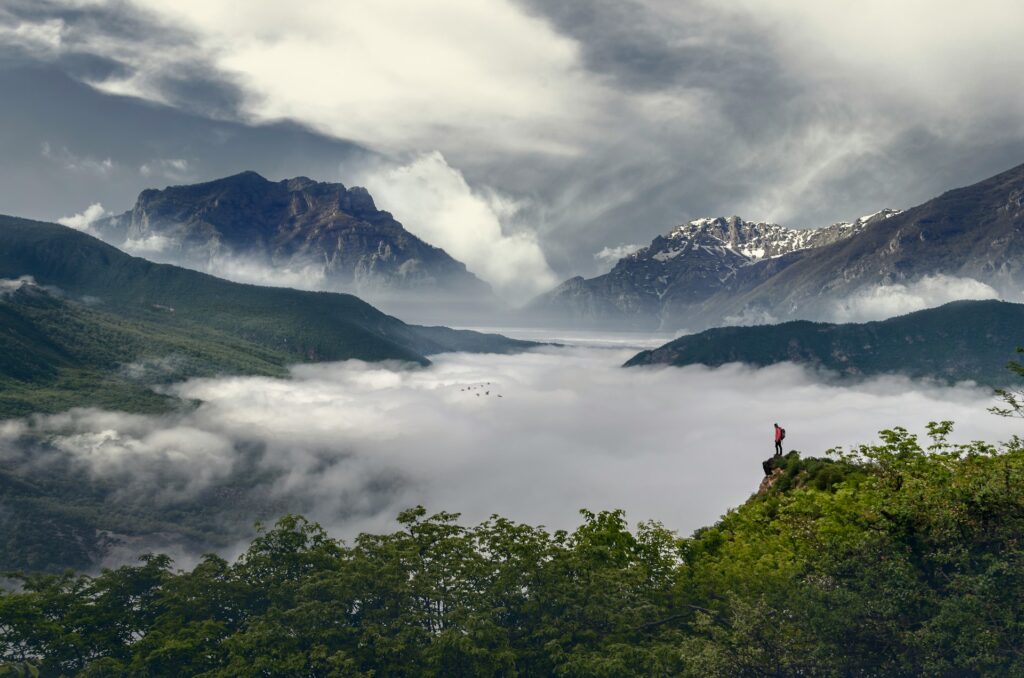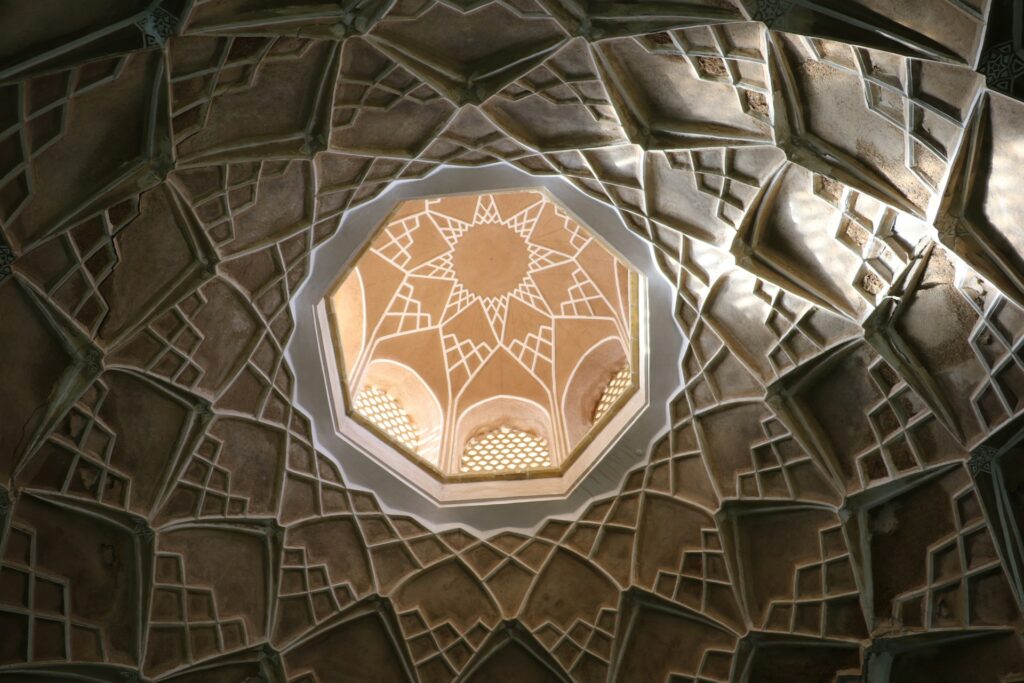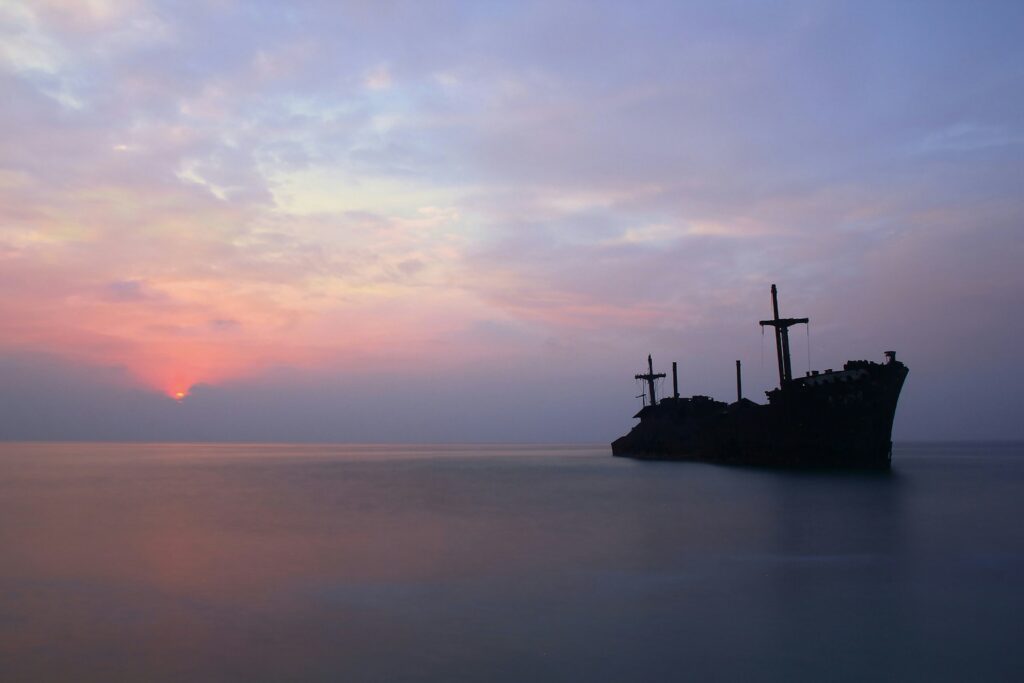
Wild camping in Iran is one of the most rewarding ways to experience the country’s vast and diverse landscapes — from the silence of the desert to the lush forests of the north. You can pitch your tent in nature, by the sea, or in the mountains, as long as you respect the land and local customs.
General Info
Urban camping is less common in Iran. In most cities you can find budget accommodation below 10€ per night. Some travellers have stayed in Red Crescent facilities without charge. They can be found all over the country and are typically located on major roads. Staying in mosques or shrines is less common, but not unheard of.
By all means, use common sense, ask for permission where unclear, and stay far away any military or security areas! Use iOverlander to find suitable camping spots in Iran. Official campsites are VERY rare in Iran.
Camping in Iran is seasonal, especially during the time of Nowruz in the end of March, when spring is in full bloom. The same rules apply here as elsewhere, 90% of the people are in 10% of the places – it is up to you whether you want to join the party or not. One cautionary word of advise in case you prefer to camp close to others, many Iranians put up a tent during the day, but don’t stay for the night. You will find most campers on the Persian Gulf islands Qeshm, Hormuz and Hengam.
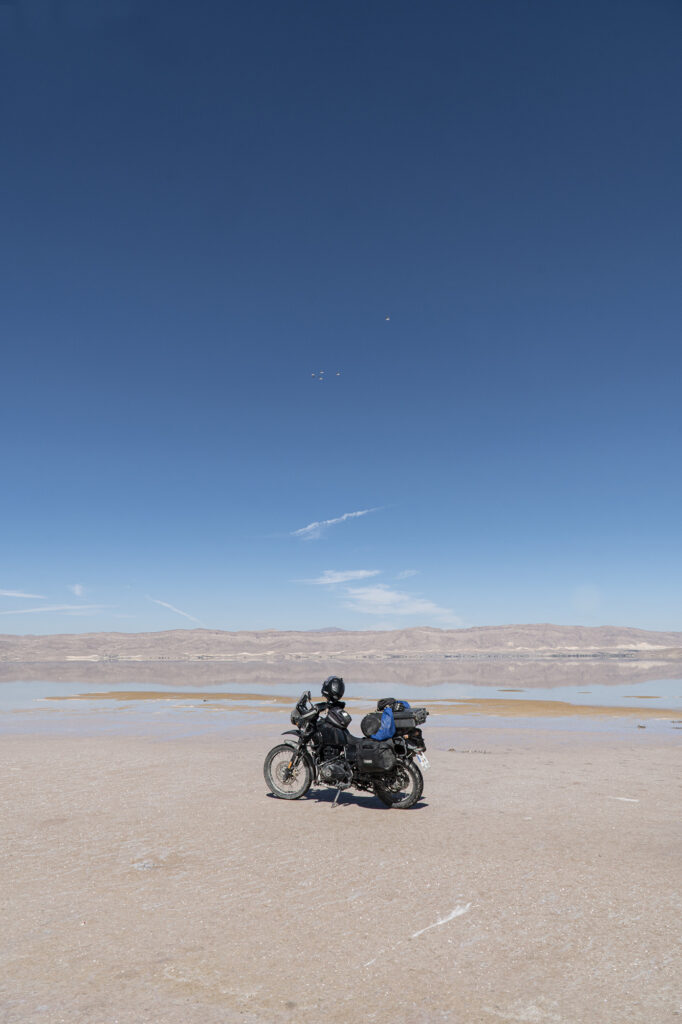
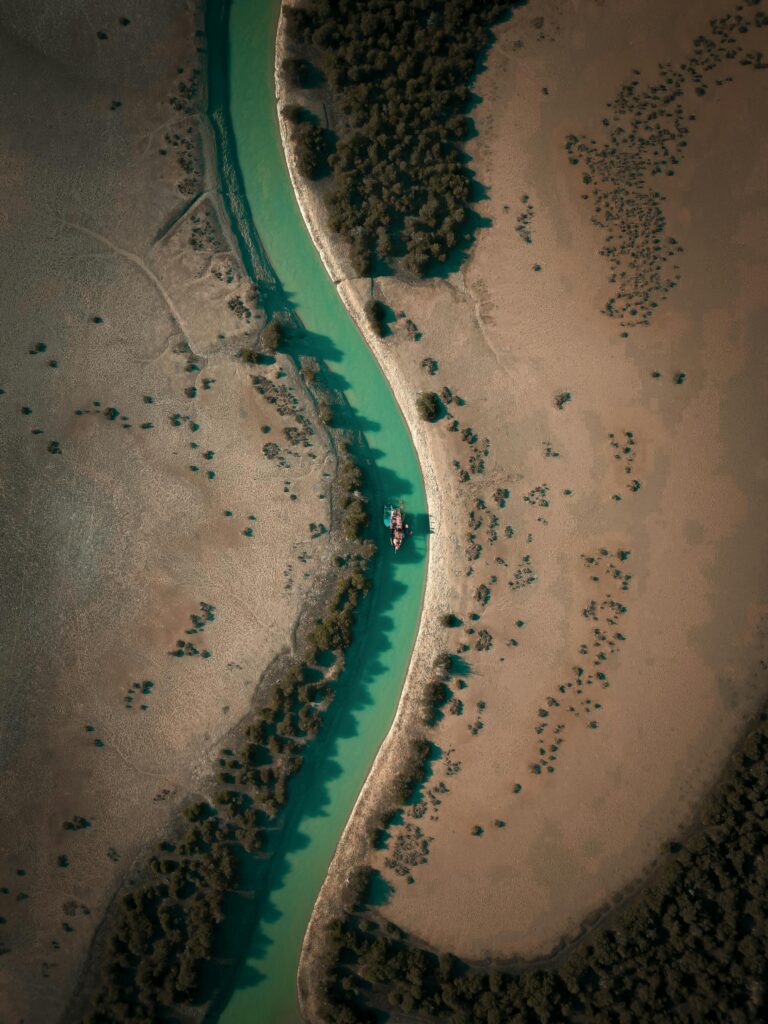
Safety for Camping in Iran
- Do not camp anywhere close to restricted zones! This includes border zones, military and security areas, oil, gas and atomic facilities.
- Ask locals before setting up tent near farms, gardens, or private land — kindness and curiosity are the norm. The good news is, fences and private land are very rare in Iran.
- In national parks, check with rangers or local authorities first.
- Expect occasional police checks if you can be seen from the road — they’re usually friendly and are simply ensuring your safety.
- Avoid religious or sacred sites — setting up tents near shrines, mosques, or cemeteries is seen as disrespectful.
General Wild Camping Safety Tips (for any country):
- Choose a campsite where no one can see you or where many can see you. Avoid situations in which you can get surprised by a single person or group.
- Set up camp as long as there is light so you can better assess your safety situation.
- Keep your campfire small and safe, and always take your rubbish with you.
- Always share your location or plan with someone before heading out.
- Check the weather forecast and prepare suitable gear.
- Bring enough water, food, and a charged phone or power bank.
- Risk of flashflood: Avoid camping in dry riverbeds, canyons, or flood-prone areas.
- Leave no trace — protect nature as you found it.
Caution! Do not only camp. It is good to stay in a hotel from time to time where you get registered with your passport. This does not apply to those traveling in their own camper van. They can stay any night in their vehicle without issues.