What to Wear in Iran

Travel Iran with your dog

Traveling to Iran? One of the most common questions visitors ask is What should I wear in Iran?The country’s dress code reflects Islamic law and cultural customs — but it’s easier to follow than many expect. Dressing right in Iran helps you stay comfortable, avoid issues, and connect better with locals.

Site Content
Dress Code for Homes
Dress Code for Women
Dress Code for Men
Dress Code for Children

Dress Code for Homes

All below rules are for public places, in private life, dynamics shift entirely. When at someone’s home, it’s best to observe how others behave. Don’t be shy to ask if you’re not sure.

  • If other women take off their hijab, feel free to do so as well.
  • Switch into more relaxed clothes when staying overnight. Try to not mix street and home clothes.
  • Don’t wear shoes at home. Sometimes you get offered slippers. Don’t use your slippers in the bathroom.

Dress Code for Women

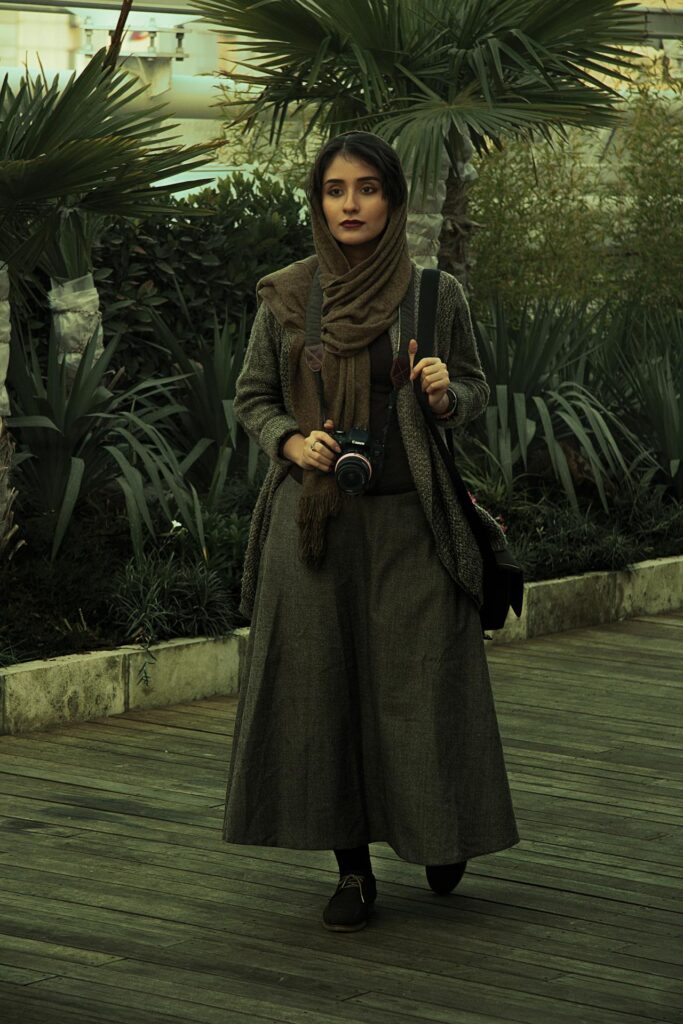
According to Iranian law, women should observe hijab (modest dress) in public. Within the last years, enforcement has become weaker in urban areas.

Requirements are simple:

  • Headscarf (Hijab): Hair and neck loosely covered.
  • Loose Clothing: Long sleeves and long pants or skirt.
  • Shoes: Wear what you like. Sandals without socks are acceptable.

Additional Tips for Female Travelers

  • Bright colors and modern styles are fine — modesty matters more than color. 
  • Showing some arm or leg is ok for most occasions, but also carry an outfit for conservative regions. 
  • At some mosques or shrines, if clothes are deemed too revealing, chadors and long skirts are handed out free of charge.
  • When flying, women should have their headscarf ready to wear inside the plane when entering Iranian airspace.
  • Cycling: same rules apply. A light buff, bandana, or sports scarf worn under the helmet is fine. 
  • Swimming: not allowed for women in mixed areas. Women only pools or beaches are rare, there women can swim in a bathing suit and without hijab. An exception are the islands in the Persian Gulf, Qeshm, Hormuz, Hengam, or Kish where observation of the rules is more relaxed. Women would usually wear a long t-shirt on top of a bathing suit to swim here. 

camera_alt
Woman on the street in Tehran

Dress Code for Men

Men’s rules are simpler, but still modest:

  • Short sleeves are fine, sleeveless tops are not.
  • No shorts in public. If you must wear them, make sure they cover at least the knee.
  • Shoes: Wear what you like. Sandals without socks are acceptable.

Additional Tips for Male Travelers

  • Avoid tight or transparent clothing.
  • For religious sites, wear long sleeves and trousers.
  • Smart-casual clothing (shirts, jeans, trousers) will fit in almost everywhere.
  • Cycling: generally the same rules apply. Knee-length sports pants may be frowned upon, but won’t get you into trouble. Tight cycling shorts are not acceptable.
  • Swimming: Wear loose shorts. T-shirt is not required. Tight pants or speedos are not ok. Men can swim where they want, but be considerate when not alone.

Dress Code for Children

Dress codes for kids are relaxed. Expectations for foreigners are not as strict. Families traveling with kids will find locals friendly and understanding about attire:

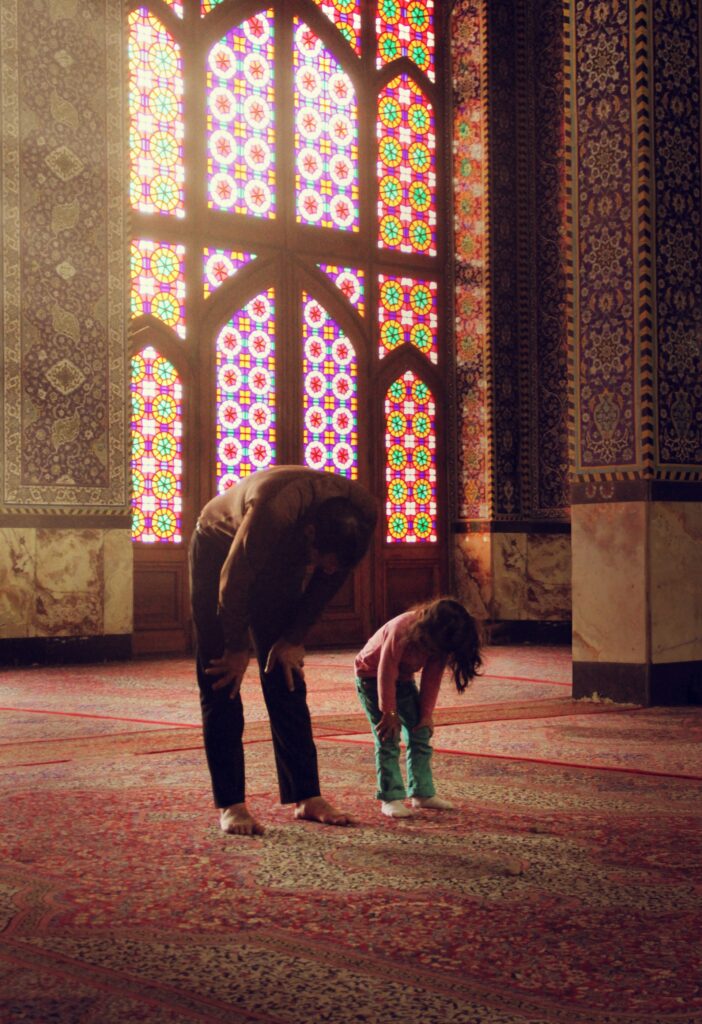
  • Young girls (pre-puberty) aren’t required to follow hijab laws.
  • Older girls should dress modestly for comfort and respect. 

Read more Guides