
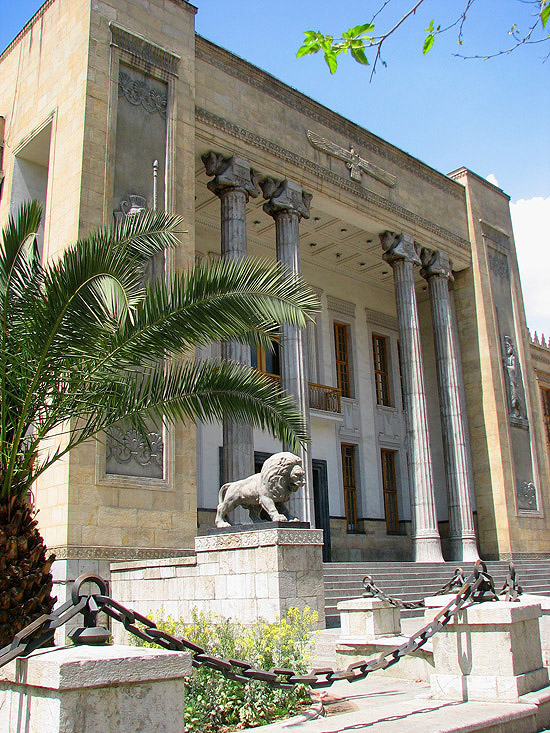
The Treasury of National Jewels is one of Tehran’s most extraordinary museums — less about archaeology, more about raw visual impact. Located inside the Central Bank building on Ferdowsi Avenue, it displays crown jewels accumulated over centuries in a setting that feels closer to a vault than a gallery.

WHY YOU SHOULD VISIT
- One of the most unique museum experiences in Tehran
- See crown jewels and ceremonial objects up close
- Understand how wealth and power were expressed through design
- Short, high-impact visit in central Tehran
- A rare “only-in-Iran” collection you can’t replicate elsewhere
ABOUT
Treasury of National Jewels
History
The core of Iran’s royal jewel collection was formed over several centuries, with rulers from successive dynasties adding to it through trade, diplomacy, and conquest. Over time, the collection grew into one of the most significant assemblies of gemstones and ceremonial objects in the world.
In the early 20th century, the collection was placed under the custody of the Central Bank of Iran, both to safeguard its immense value and to formalize it as part of the nation’s heritage. Because of security concerns, the jewels were long inaccessible to the public. Only later were selected pieces displayed in a dedicated treasury, allowing visitors to encounter objects that had once been exclusive symbols of royal authority.
What Makes It Special
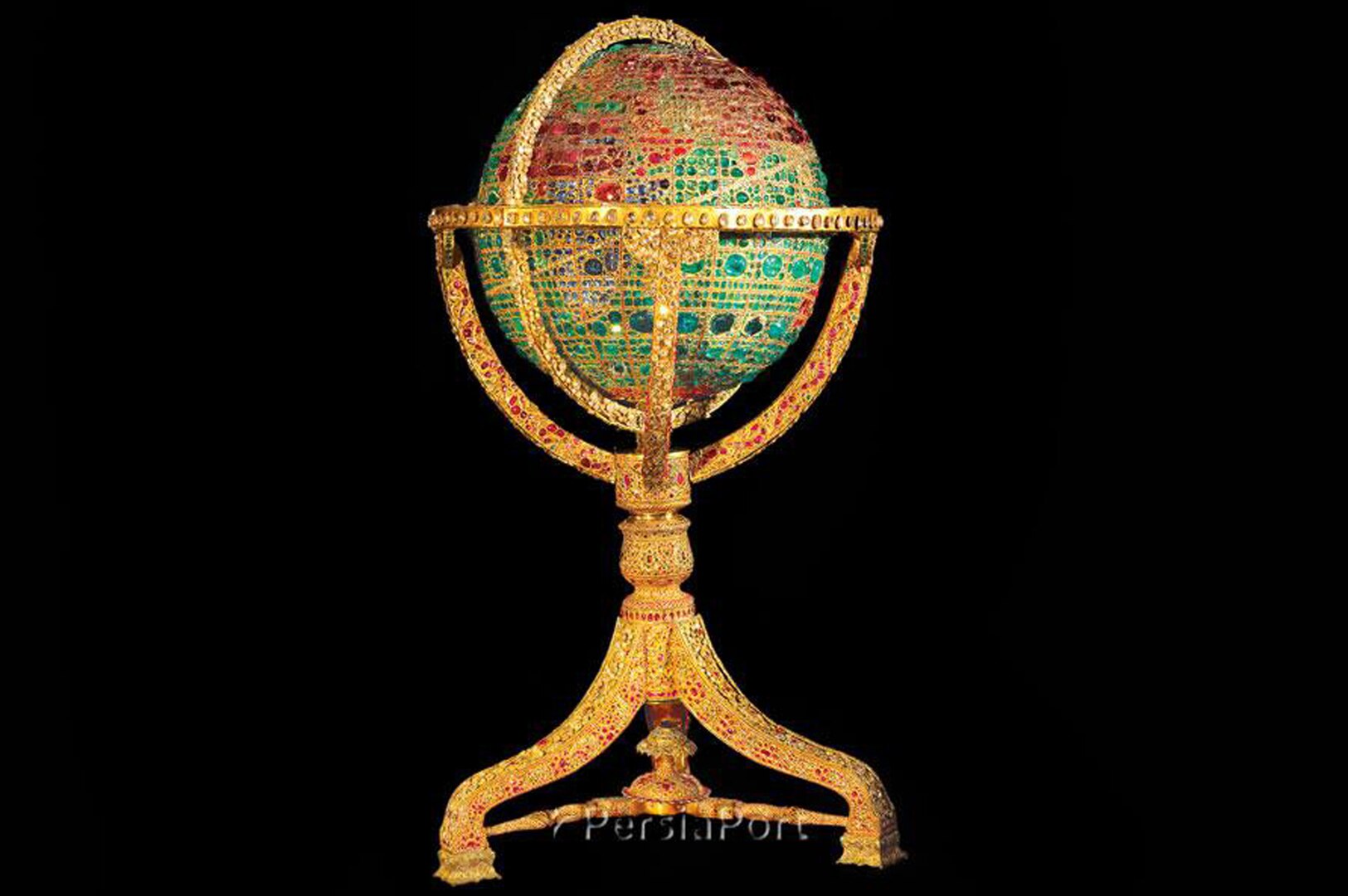
What makes the Treasury of National Jewels exceptional is the scale and intensity of what is on display. These are not small, decorative pieces — many objects are monumental in size, heavily set with diamonds, emeralds, rubies, and pearls, and designed to impress at the highest ceremonial level.
Among the most striking objects are:
-
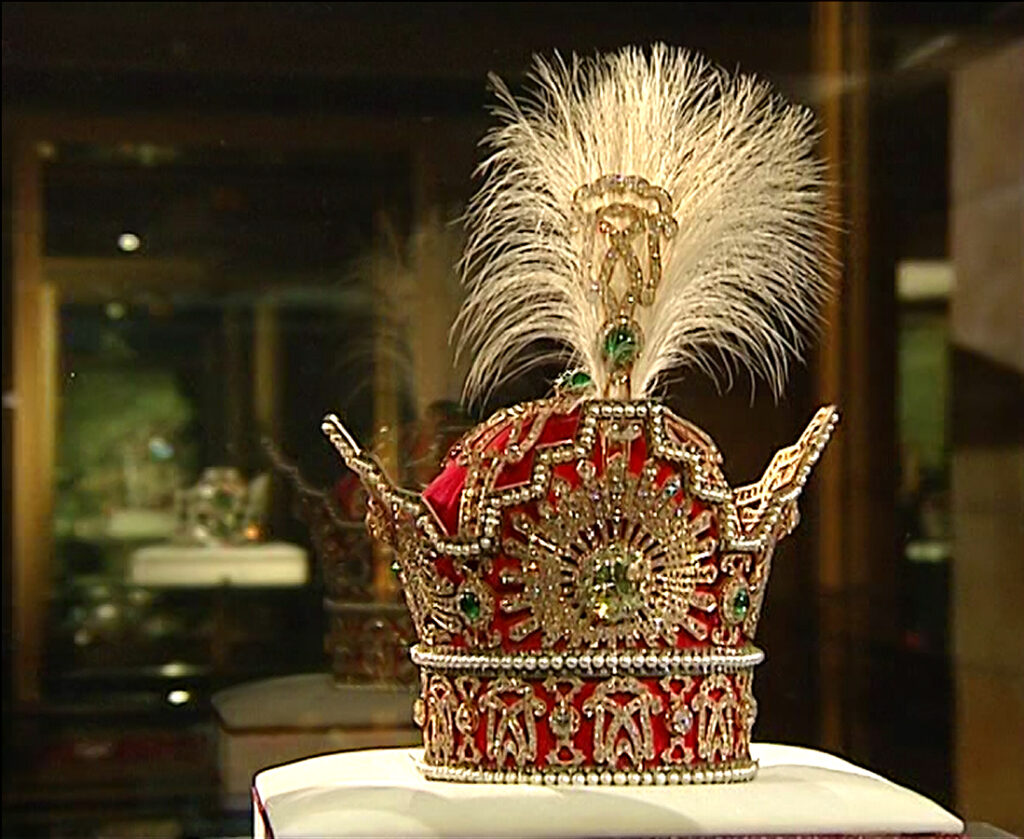
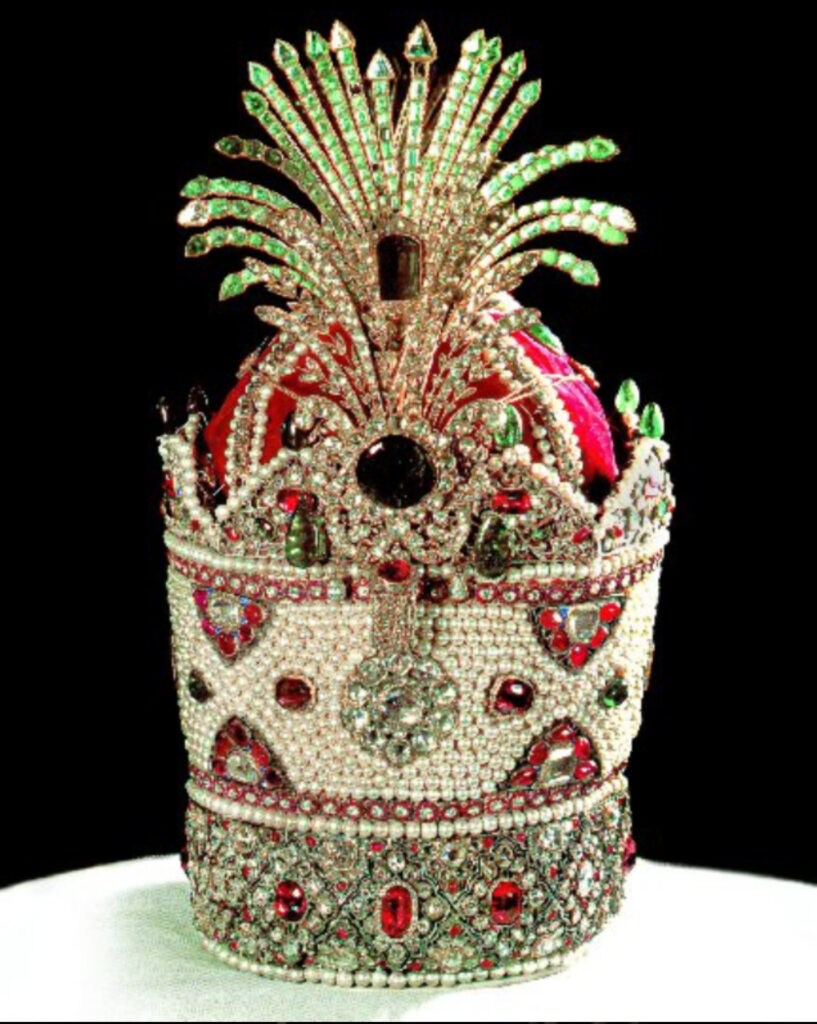
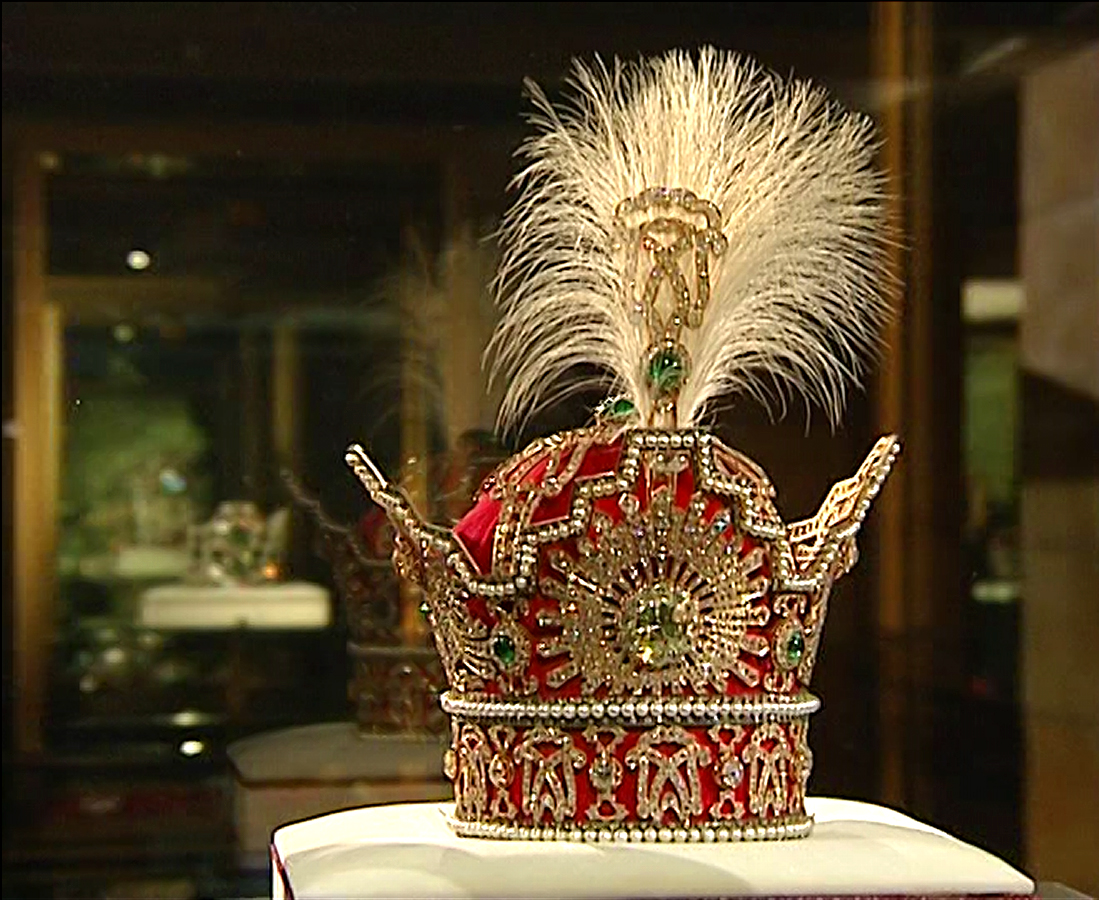
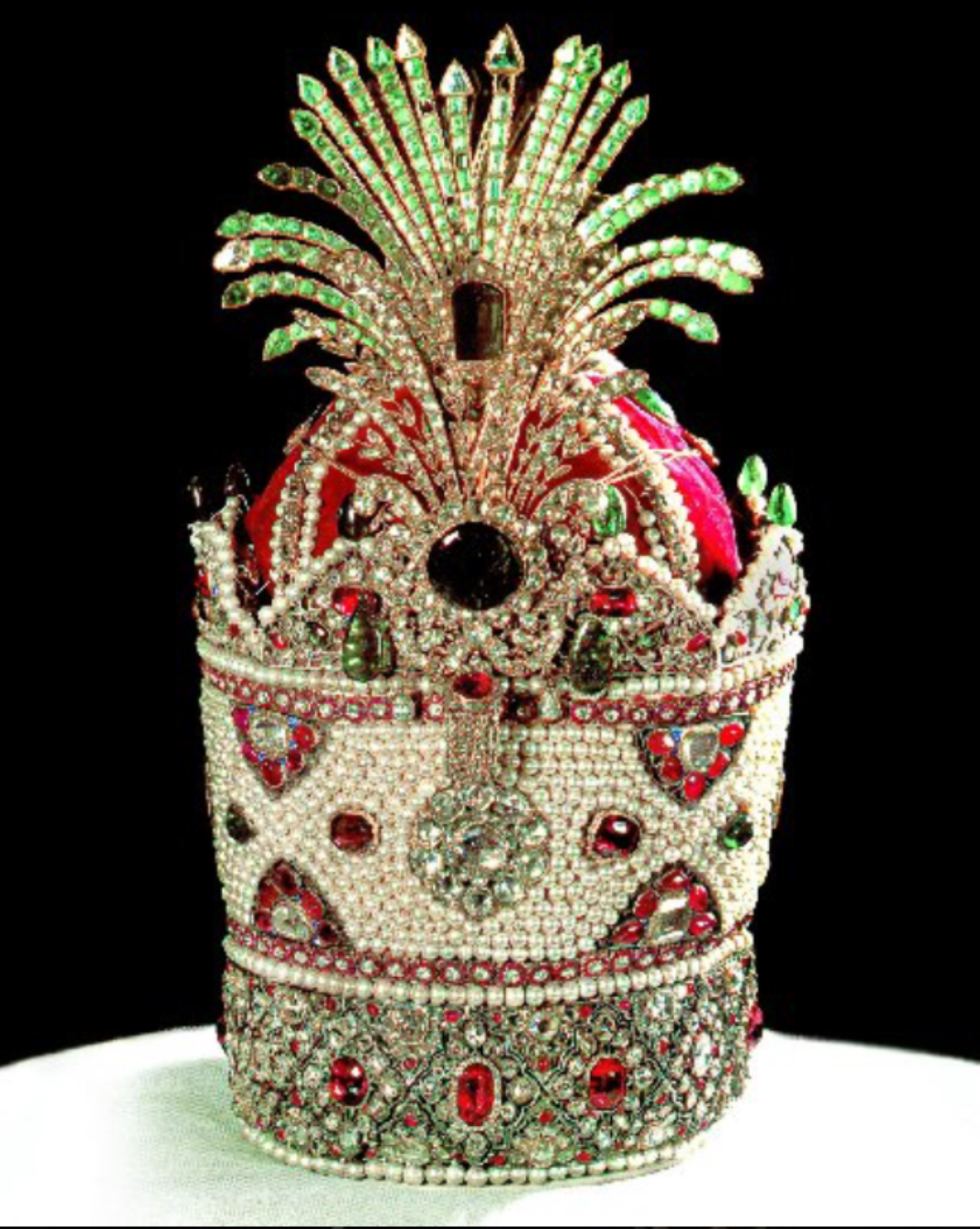
Historic crowns used in royal coronations, densely covered in precious stones
-
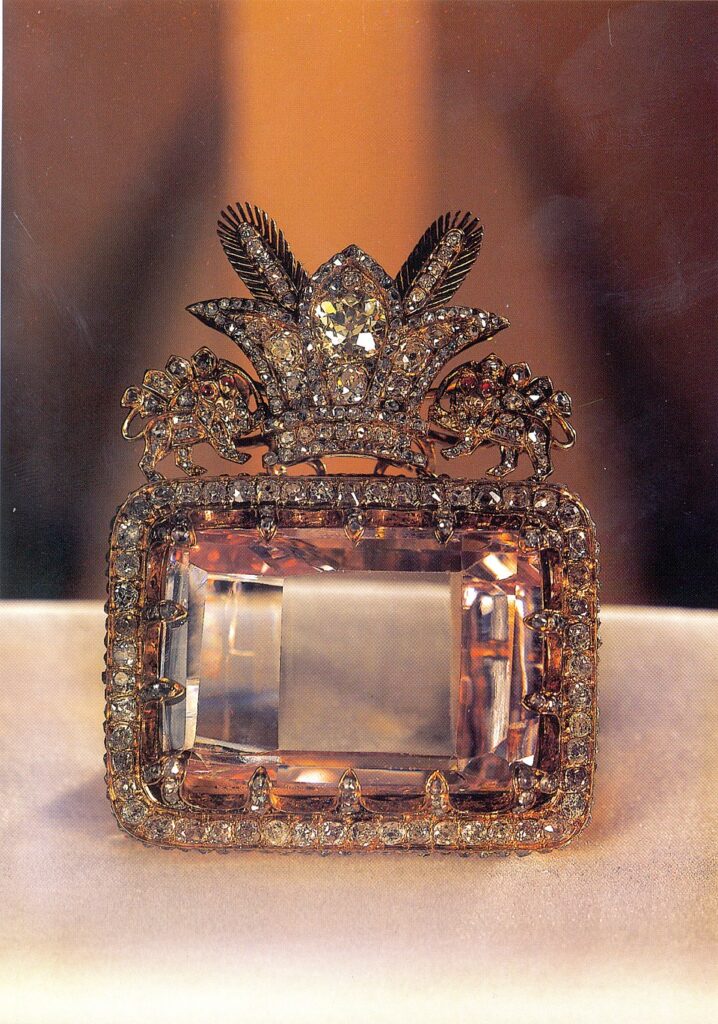
Extraordinary diamonds, including one of the largest known pink diamonds in the world
-
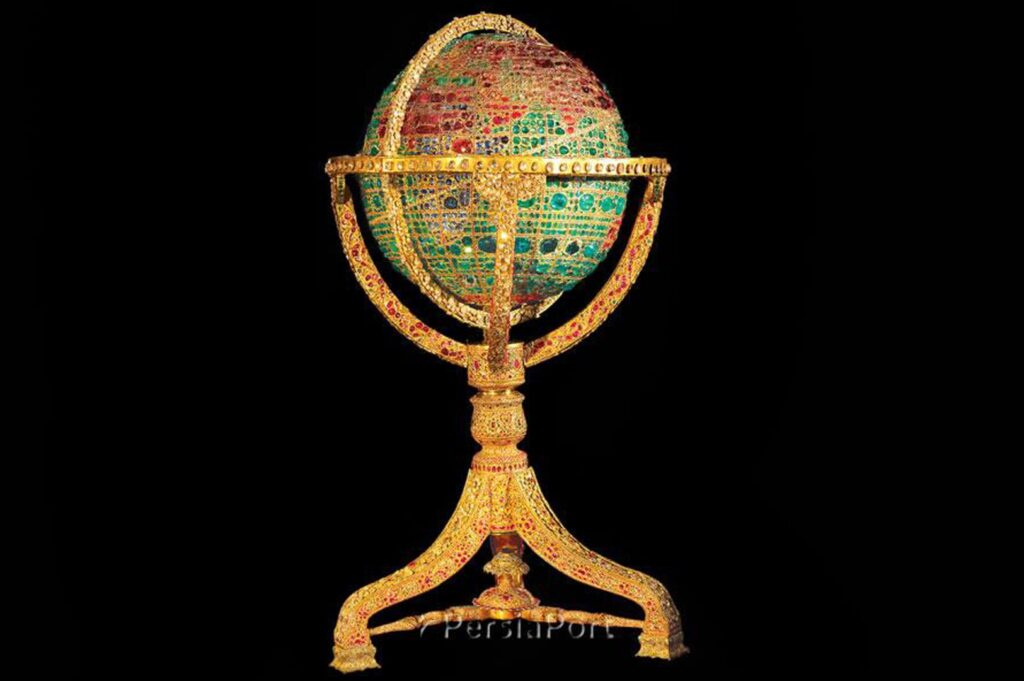
Jeweled thrones and ceremonial furnishings, where craftsmanship and symbolism merge
-
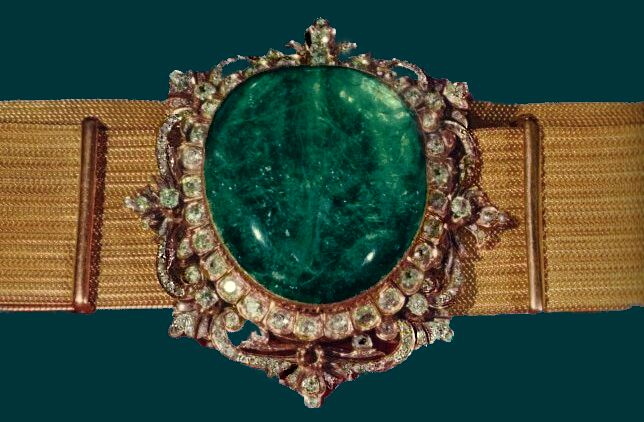
State regalia, such as belts, swords, and court ornaments, designed to visually express power
Beyond their beauty, these objects reveal how jewels functioned as political language. They were tools of legitimacy and prestige, crafted to communicate authority, continuity, and state power. Displayed in a secure, restrained setting, the focus remains firmly on the objects themselves — their material presence and historical weight.
PRACTICAL TIPS
Plan 45–75 minutes for the visit
Location: Central Bank area on Ferdowsi Avenue
Closest metro station: Ferdowsi (Line 4)
Bring your passport or ID for possible checks
Expect strict security and possible restrictions on phones/photography
Check opening days and hours before going; closures may happen on public holidays