
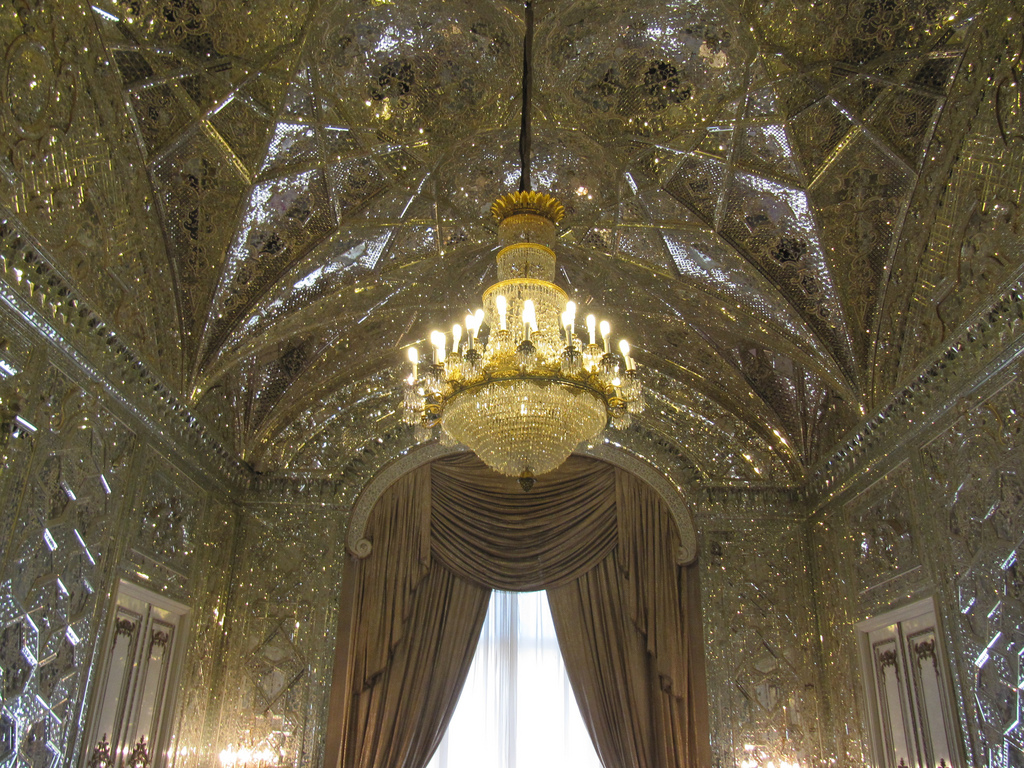
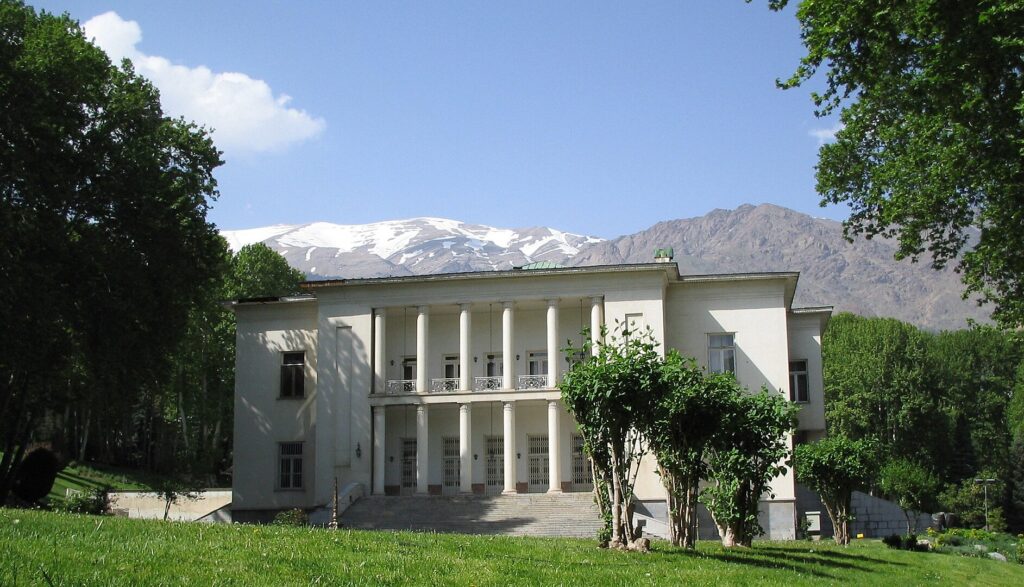
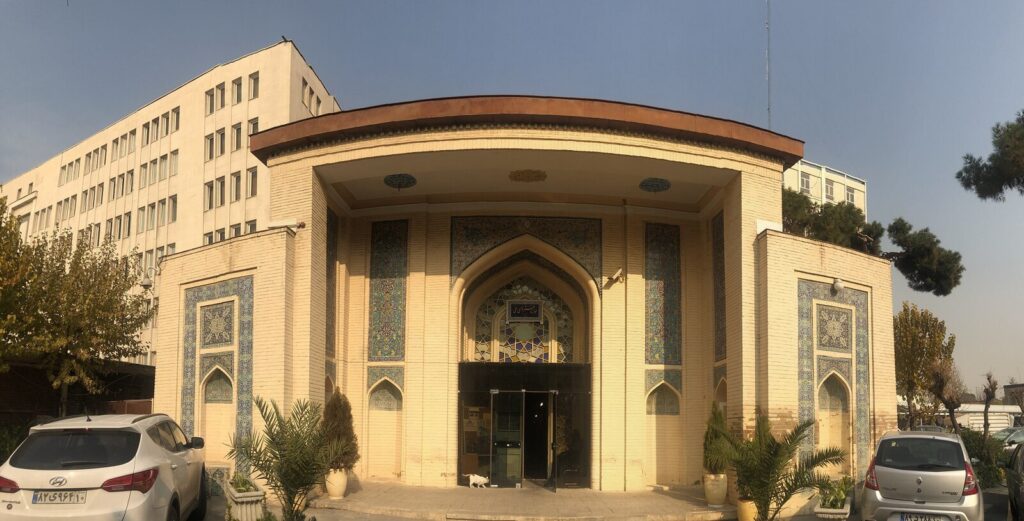
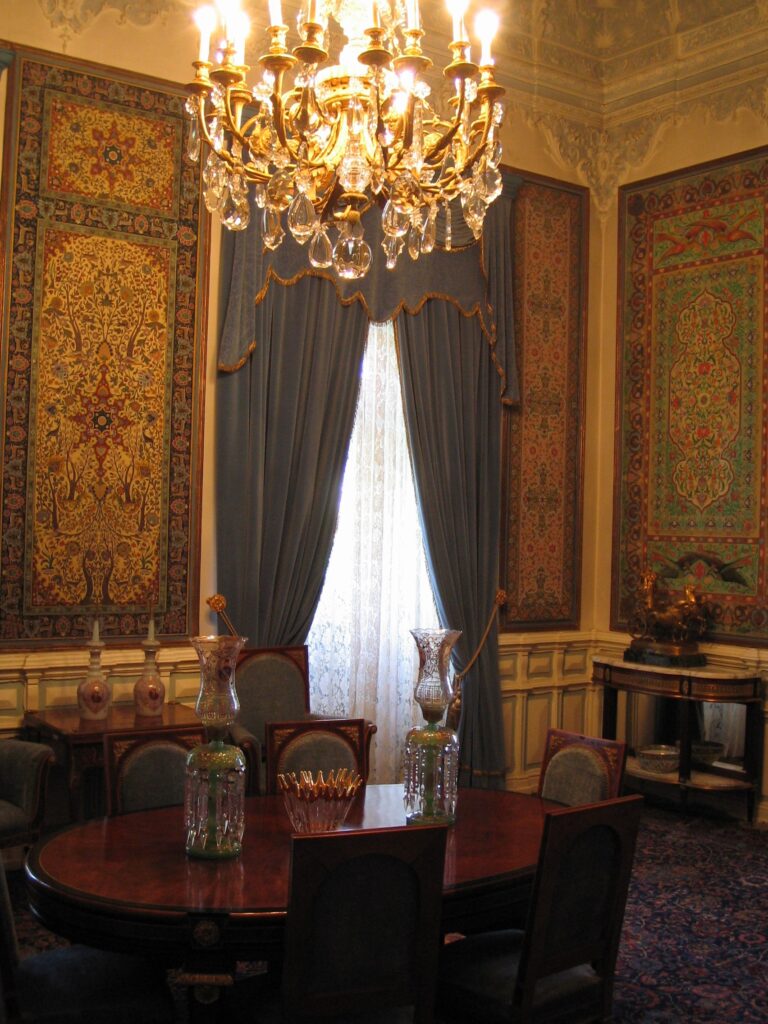
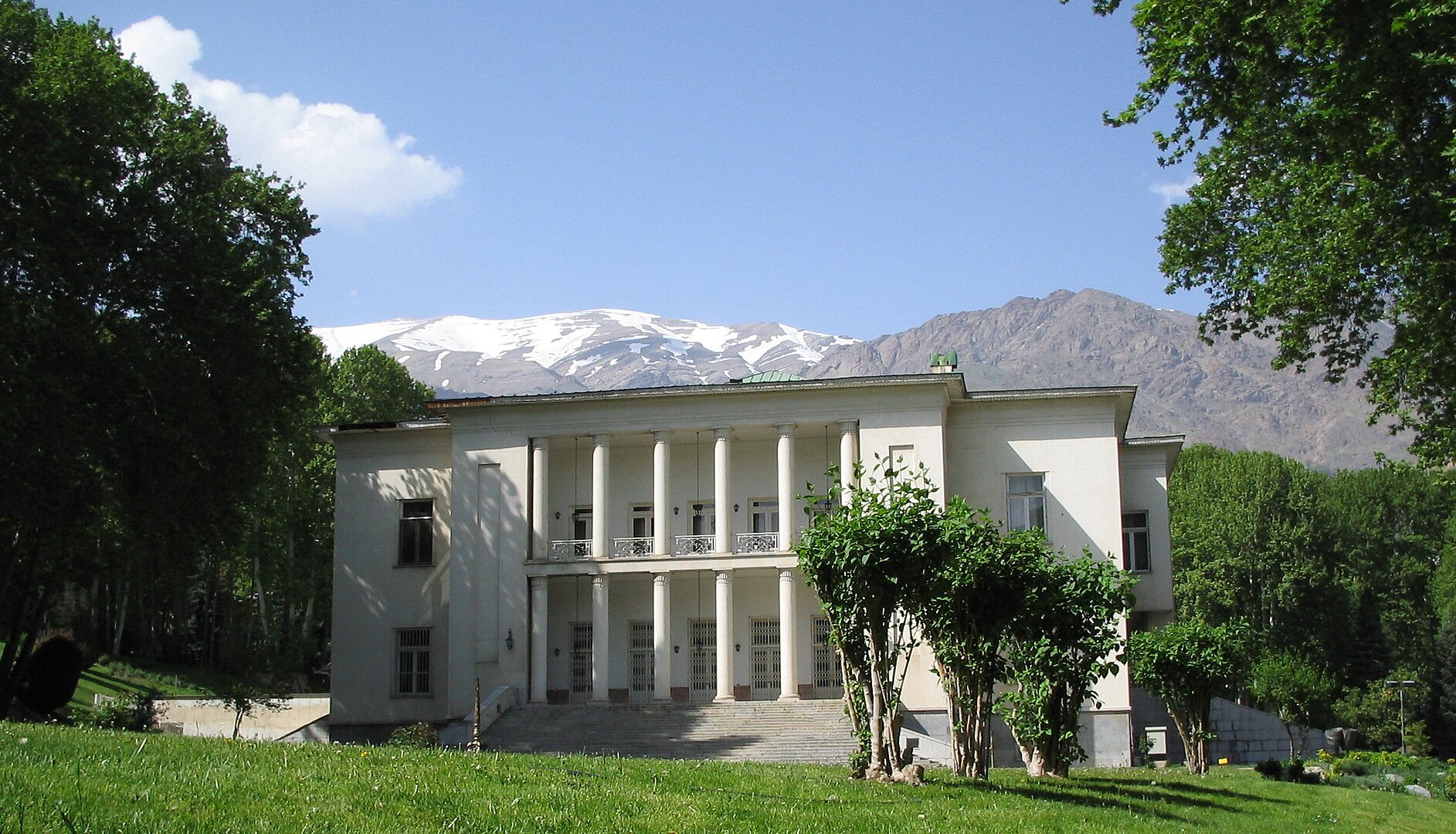
Set against the green foothills of Tochal in northern Tehran, the Saadabad Museums & Galleries Complex is less a single sight than a landscape of history. Spread across a vast garden, it brings together palaces, museums, and cultural institutions connected by tree-lined paths. What was once a secluded royal retreat has become one of Tehran’s most expansive public cultural spaces.
WHY YOU SHOULD VISIT
- Explore multiple museums and palaces in one continuous garden landscape
- Experience the contrast between ceremonial royal spaces and intimate complexes like Niavaran
- Combine art, history, and nature in a single visit
- Enjoy one of Tehran’s largest green cultural sites
- Enjoy the great photo oportunities in the vast complex
ABOUT
History
Saadabad began as a summer refuge in the cooler climate of Shemiran, initially developed during the late Qajar era and later expanded significantly in the Pahlavi period. Over time, it evolved into a large royal complex with multiple residences, ceremonial buildings, and landscaped gardens designed to create distance between royal life and the city below.
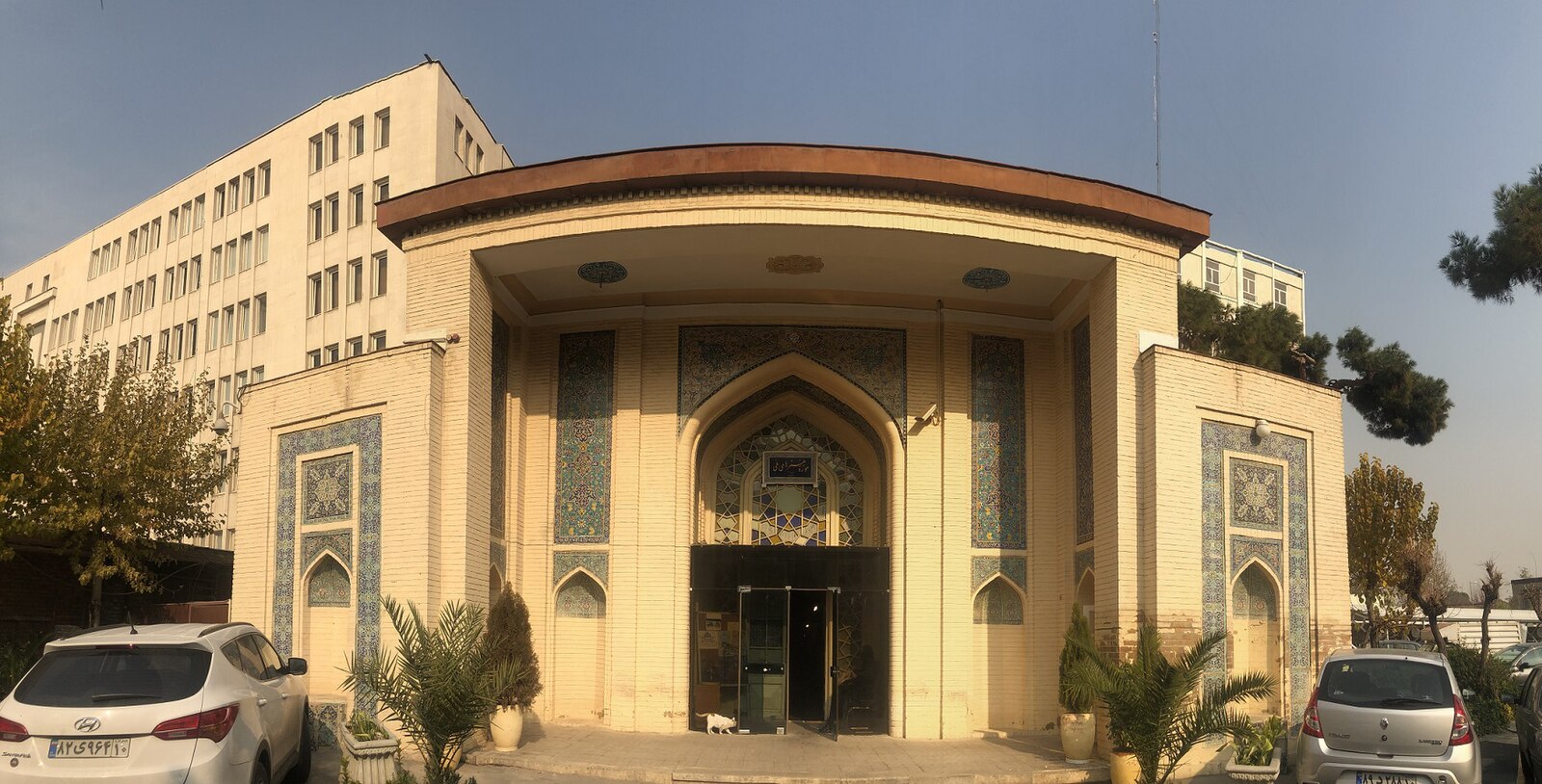
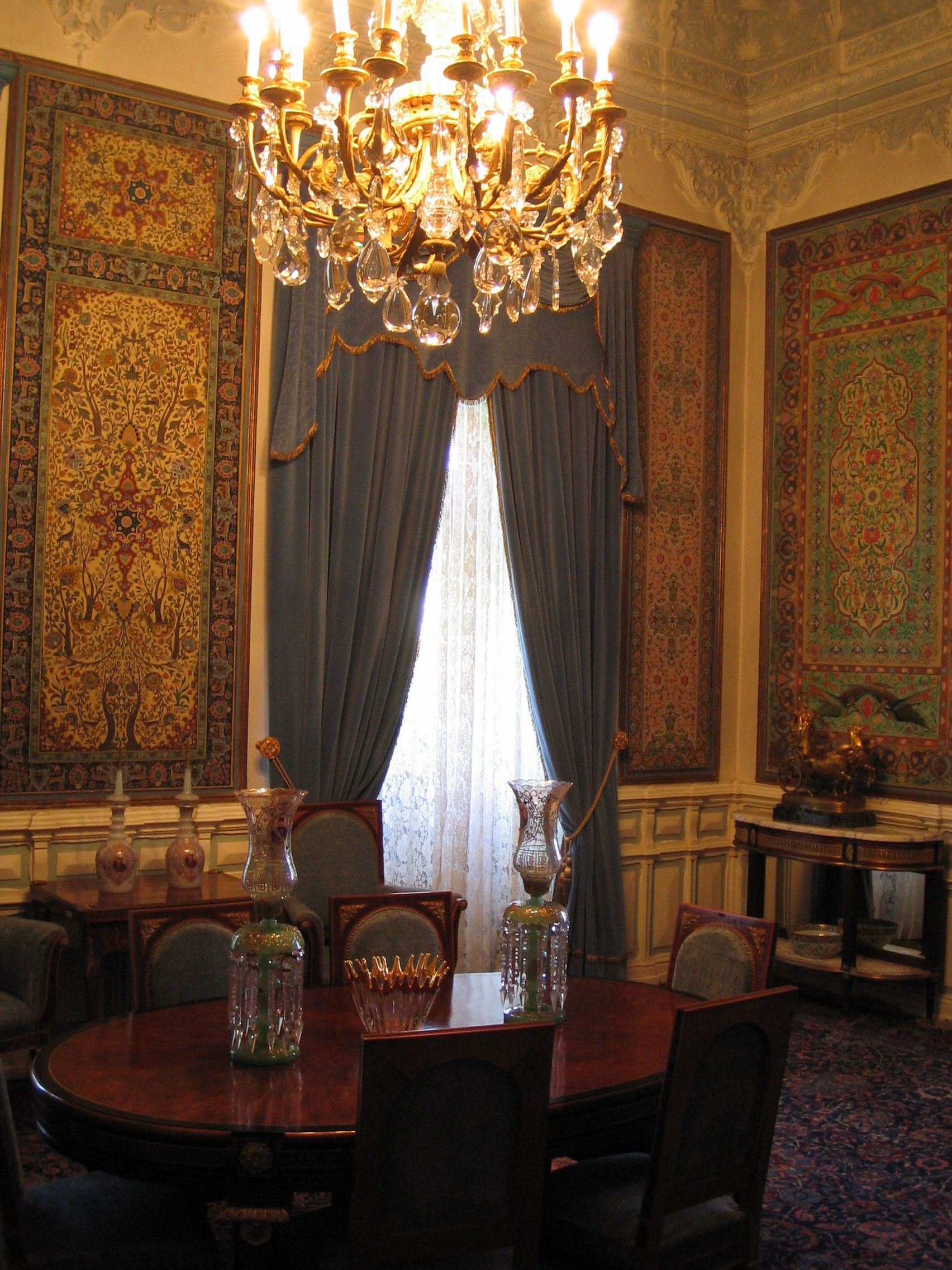
After 1979, the complex underwent a fundamental transformation. Formerly private palaces were gradually opened to the public and repurposed as museums and galleries, turning Saadabad from a symbol of exclusivity into a shared cultural landscape.
What Makes It Special
What defines Saadabad is its scale and openness. Instead of a single palace, the experience unfolds through movement — walking between buildings, choosing which museums to enter, and letting the gardens set the pace.
In contrast to Niavaran Palace Complex, which feels intimate and domestic, Saadabad reads as ceremonial and expansive. Where Niavaran offers preserved living spaces and a sense of private life, Saadabad presents the public face of royal power within a vast, controlled landscape.
The defining motif is a shift in time. Saadabad was designed to separate royal life from the city; today, that separation has been reversed. The same paths now invite the public in, transforming distance into access and authority into shared cultural memory.
PRACTICAL TIPS
- Plan 2-3 hours for the whole complex, or focus on selected museums
- Best time: Weekday mornings or early afternoons
- Avoid public holidays due to crowds
- Closest metro: Tajrish (Line 1), then taxi
NEARBY
Niavaran Palace
Set in Tehran’s northern foothills, Niavaran Palace combines modern royal architecture, preserved interiors, and gardens, offering insight into the final decades of Iran’s monarchy.
Tajrish Bazaar & Emamzadeh Saleh
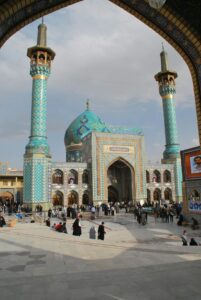
A lively northern Tehran hub where a historic bazaar and shrine sit side by side, blending daily commerce, social life, and moments of quiet reflection.

Darabad Hiking
One of Tehran’s most rugged nearby hikes, Dar Abad leads from the city edge into an exposed mountain valley with rocky terrain and minimal development.
Darakeh Restaurants & Hiking
One of Tehran’s most rugged nearby hikes, Dar Abad leads from the city edge into an exposed mountain valley with rocky terrain and minimal development.
Darband Nature Area
Darband combines mountain restaurants, a seasonal chairlift, and a hiking trail that gradually climbs from a busy social hub into the Alborz foothills.
Park-e Jamshidieh
A terraced stone park at Tehran’s northern edge, where rocky paths, sculptures, and viewpoints create a quiet transition between the city and the Alborz Mountains.
Bame Tehran
Bam-e Tehran is a city-edge viewpoint and gateway to the Tochal mountains, linking urban life with hiking trails, cable cars, and high-altitude recreation.
Time Museum
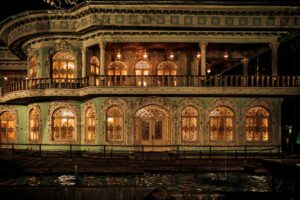
A quiet museum in northern Tehran exploring calendars, clocks, and timekeeping, set inside a historic villa with a garden that encourages a slower, reflective visit.
Ferdows Garden & Cinema Museum
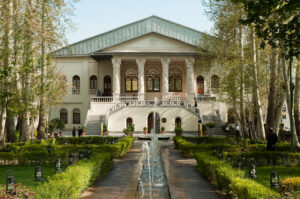
A historic garden and villa in northern Tehran housing Iran’s Cinema Museum, where film history meets cafés, shaded paths, and everyday social life.