
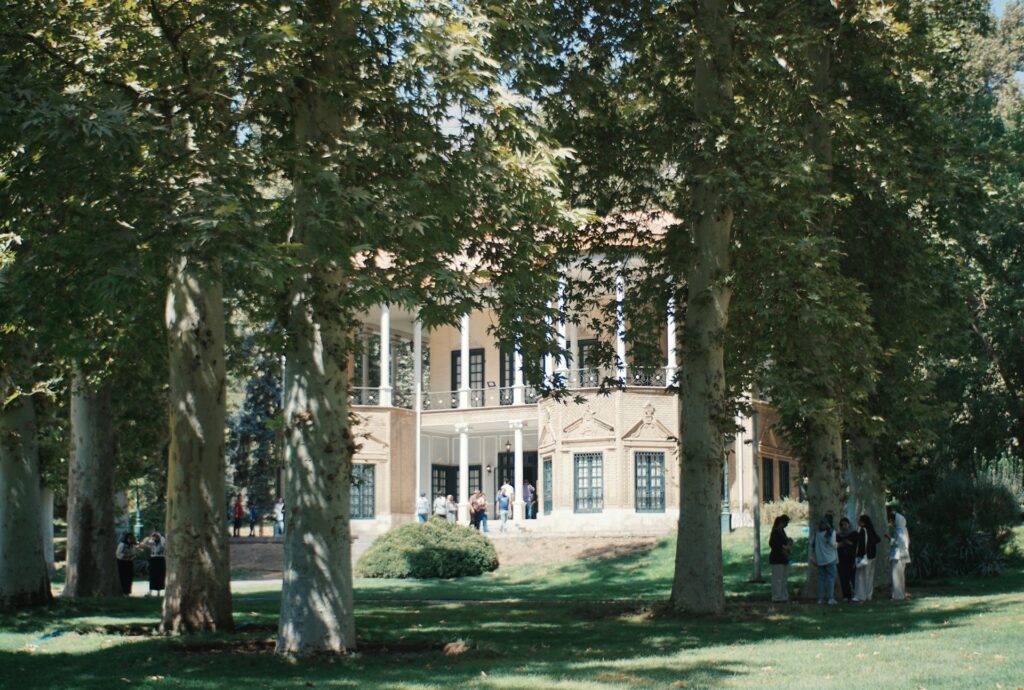
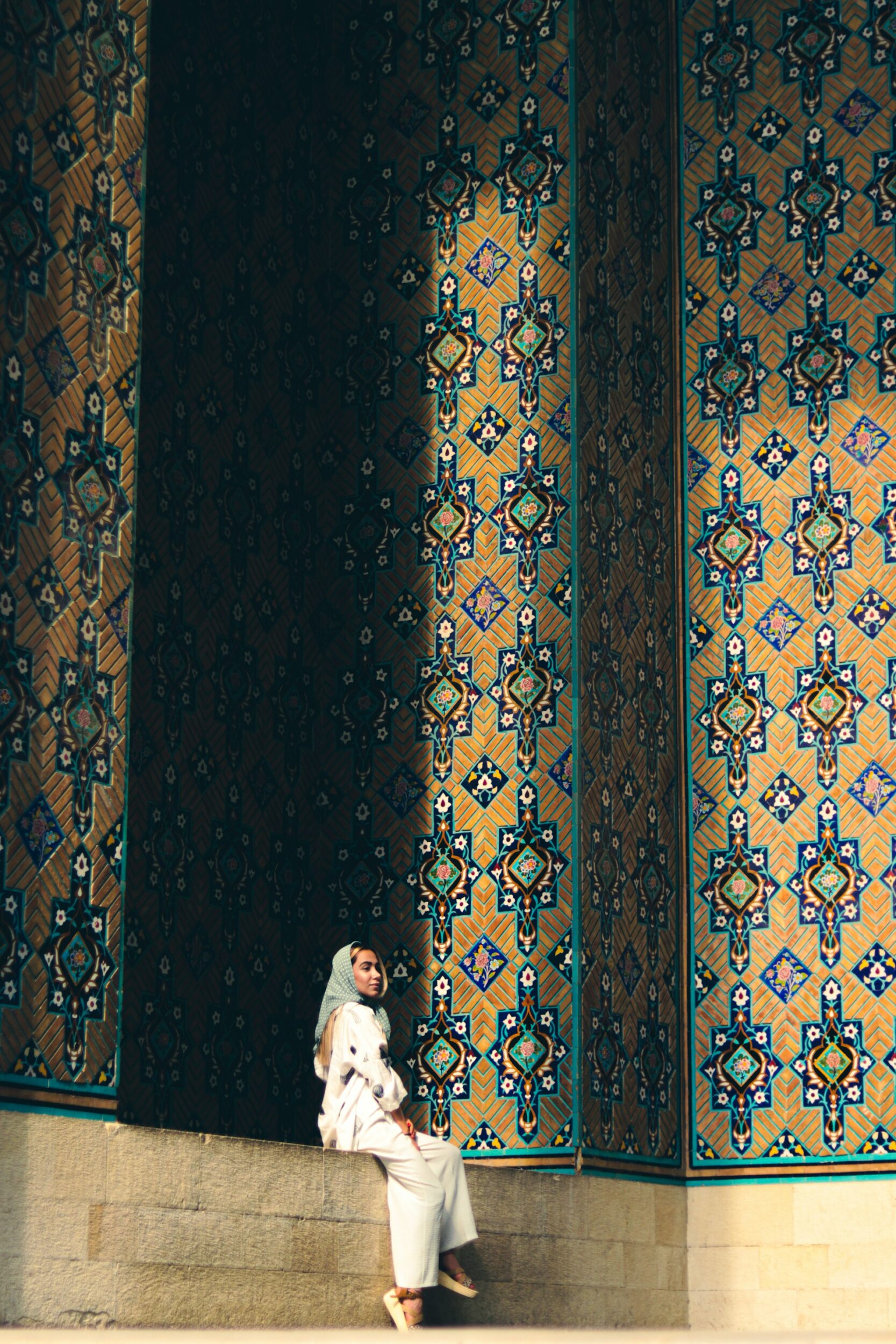
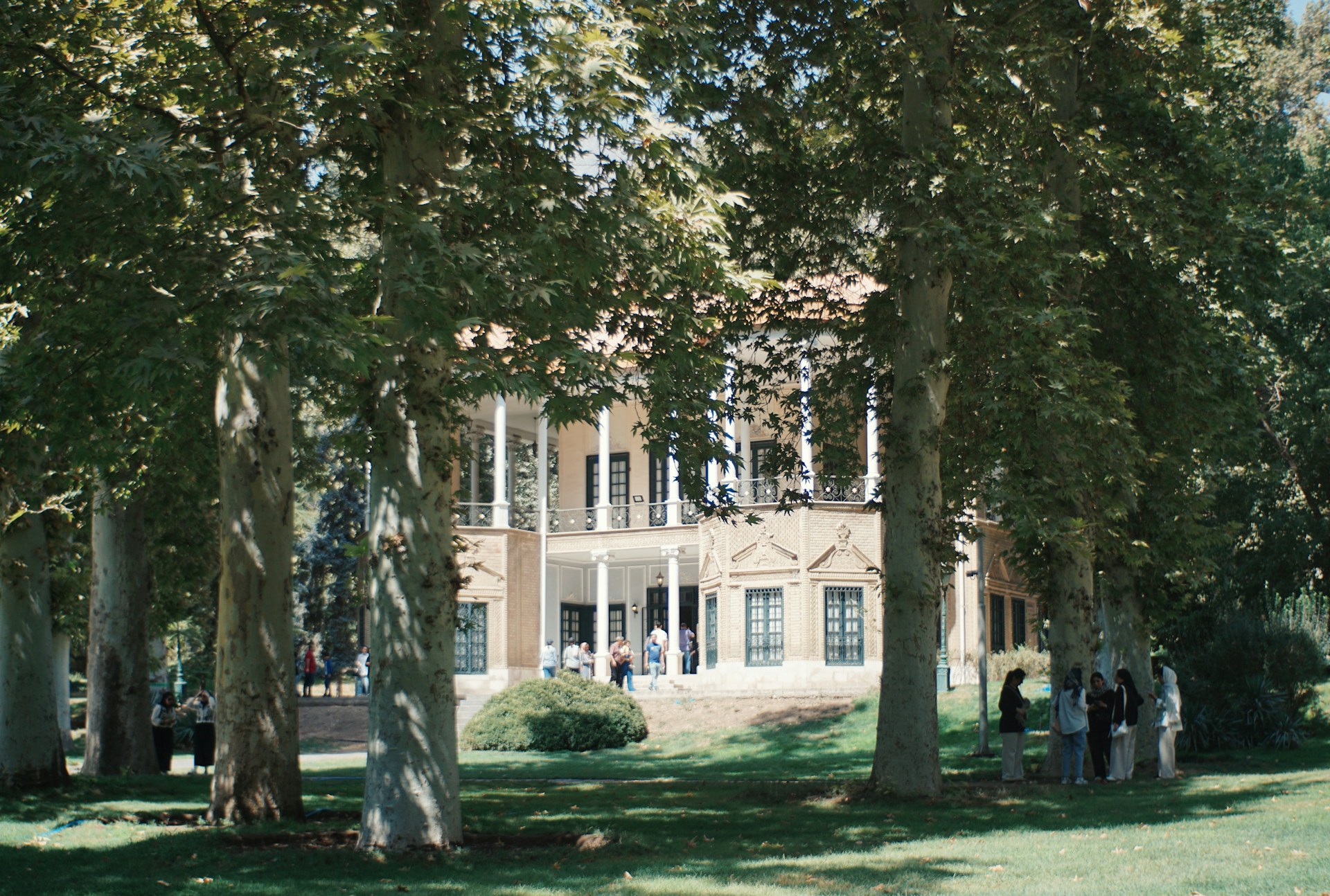
Set at the foothills of the Alborz Mountains in northern Tehran, the Niavaran Palace Complex offers a revealing glimpse into Iran’s bygone royal past. Surrounded by a beautiful garden and far from the bustle of the city center, the complex combines modern architecture, preserved interiors, and personal spaces that reflect the final decades of monarchy.
Photos by: Hamed Darzi
Niavaran Palace
HISTORY
The Niavaran area, located at the foothills of the Alborz Mountains, has long been valued for its cooler climate and natural setting. For centuries, it served as a seasonal retreat outside the dense core of Tehran. During the Qajar period, the area began to host small royal pavilions used primarily in summer, establishing Niavaran as a place associated with retreat rather than ceremony.
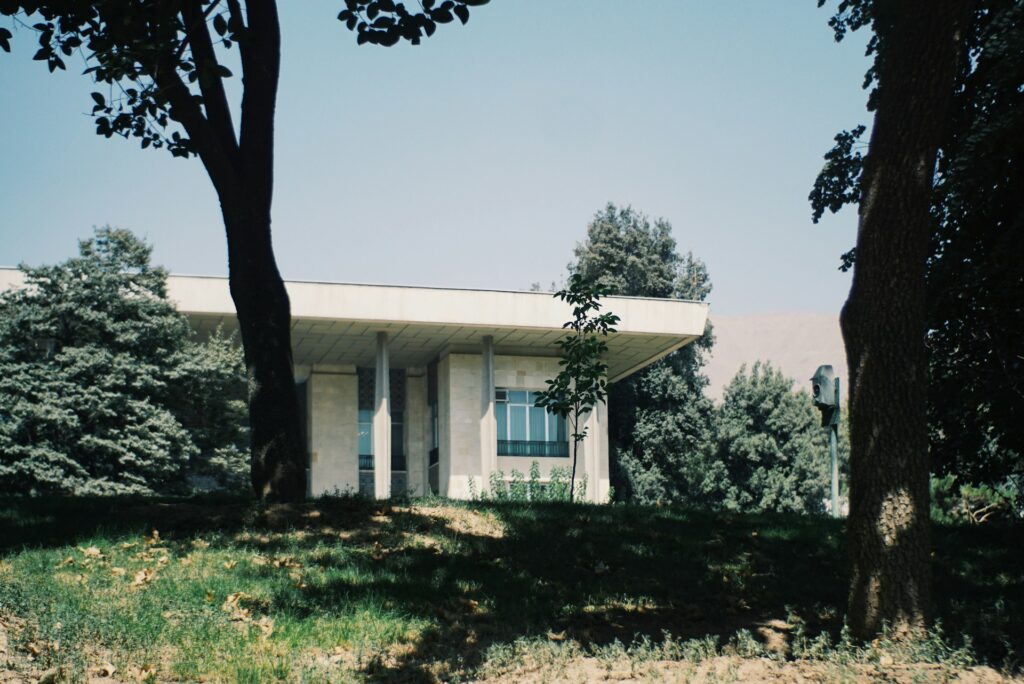
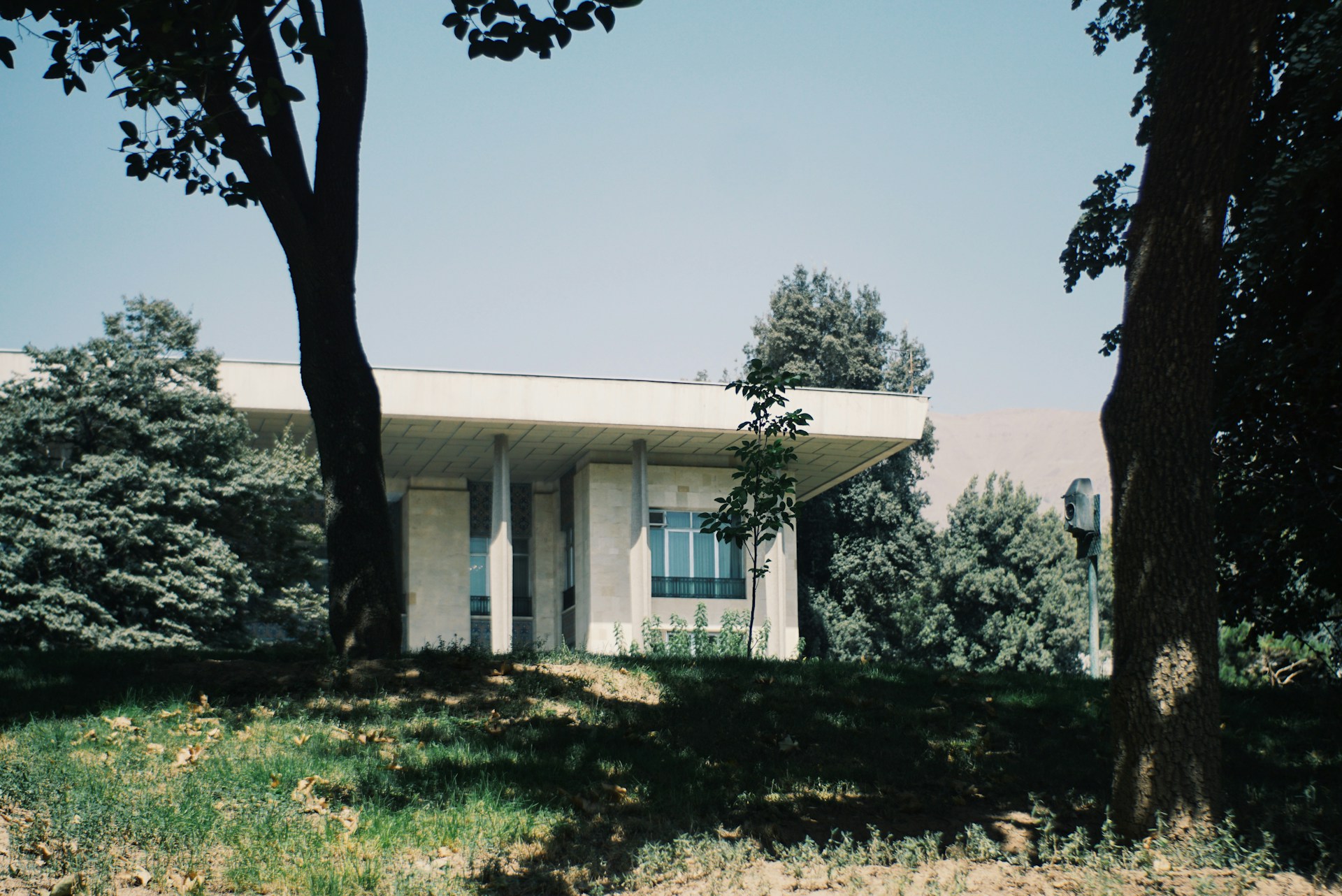
In the mid-20th century, as Tehran expanded rapidly toward the north, Niavaran took on a new role. The site was redeveloped into a larger palace complex, reflecting both urban growth and a shift in architectural language. Unlike earlier royal centers in central Tehran, Niavaran was conceived as a modern residential environment, integrated into a landscaped garden and oriented toward privacy, light, and everyday use.
By the late 1960s, Niavaran Palace had become the main residential home of the monarchy in Tehran, functioning as both a private living space and a setting for select official activities. Its architecture, interiors, and collections reflect the social and cultural atmosphere of the period, marked by modernization and increased global engagement.
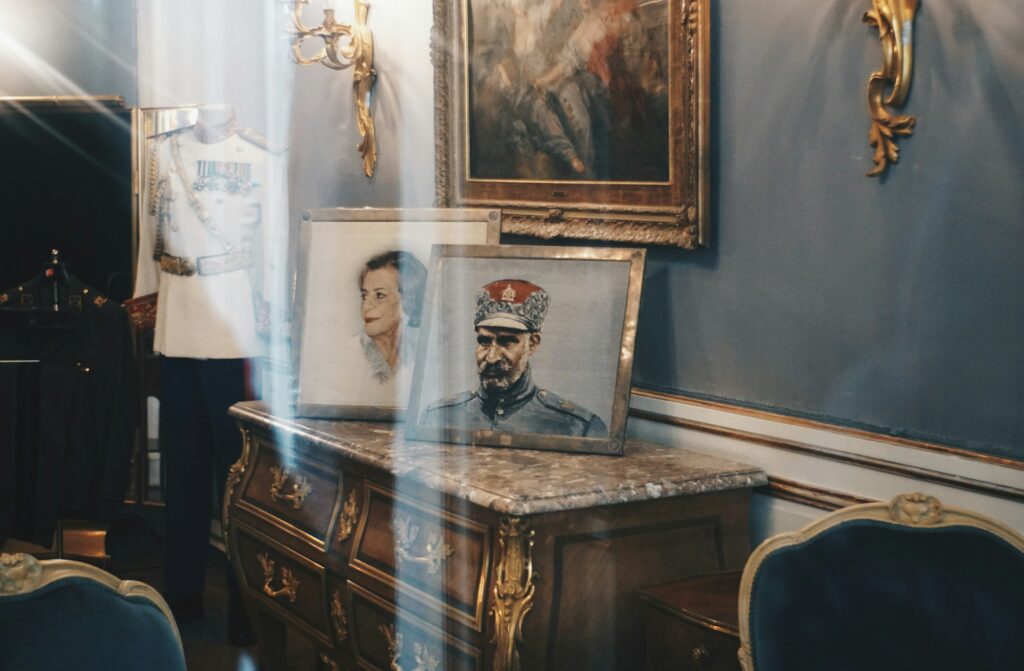
This chapter came to an abrupt end in January 1979, when the royal family left Iran amid escalating nationwide protests. Within weeks, the Islamic Revolution culminated in February 1979, ending the monarchy. Because the departure was sudden, the Niavaran Palace Complex was left largely intact — preserving not only the buildings, but also the lived environment of Iran’s final royal household.
WHAT MAKES IT SPECIAL
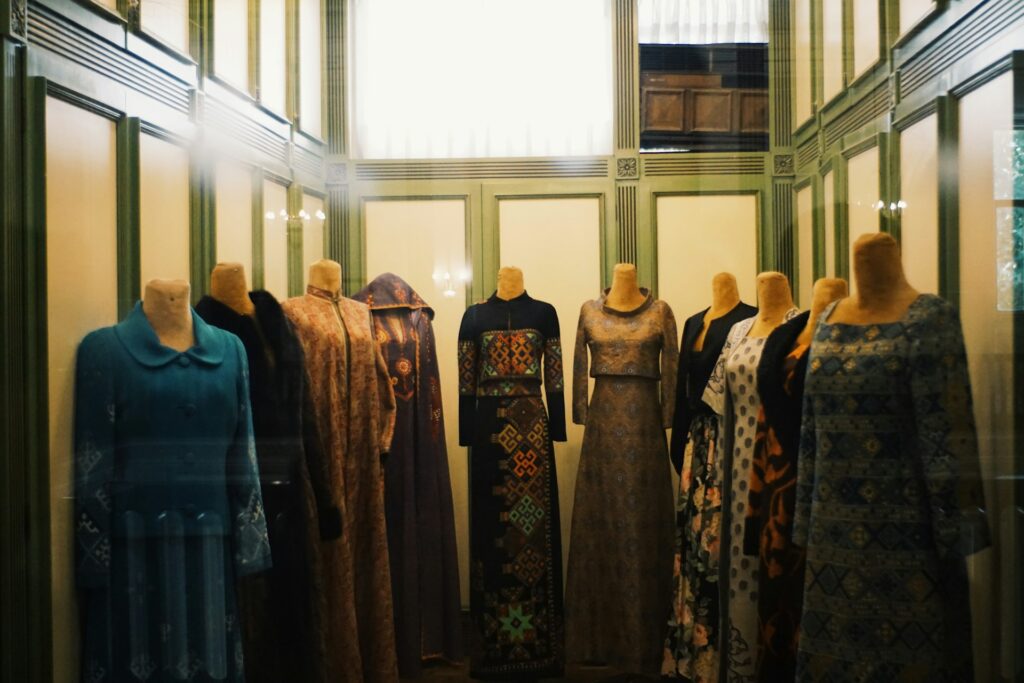
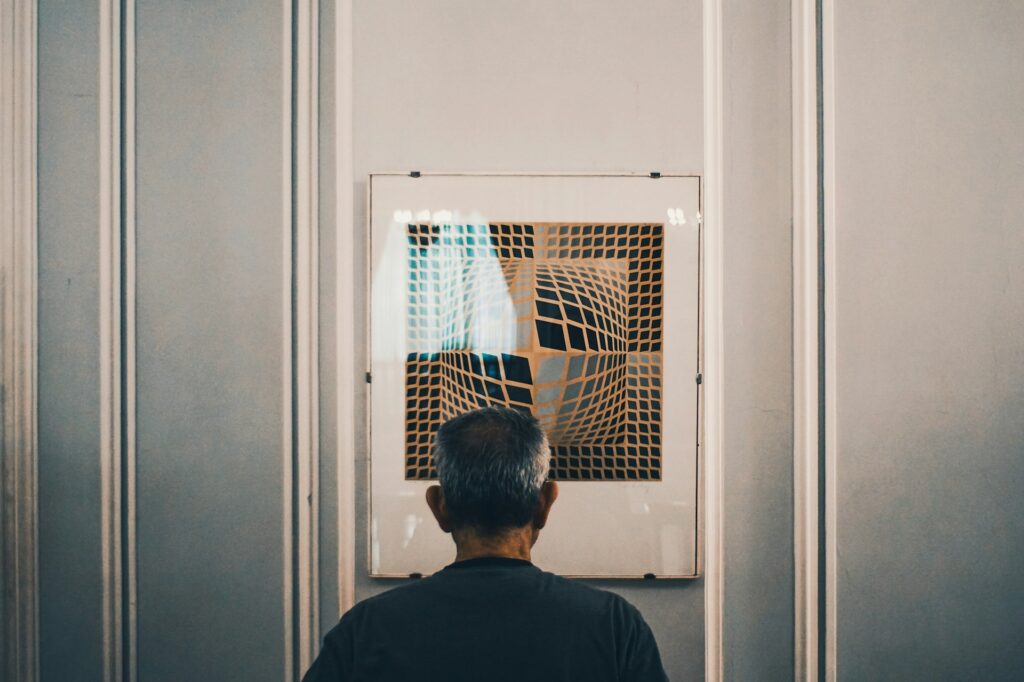
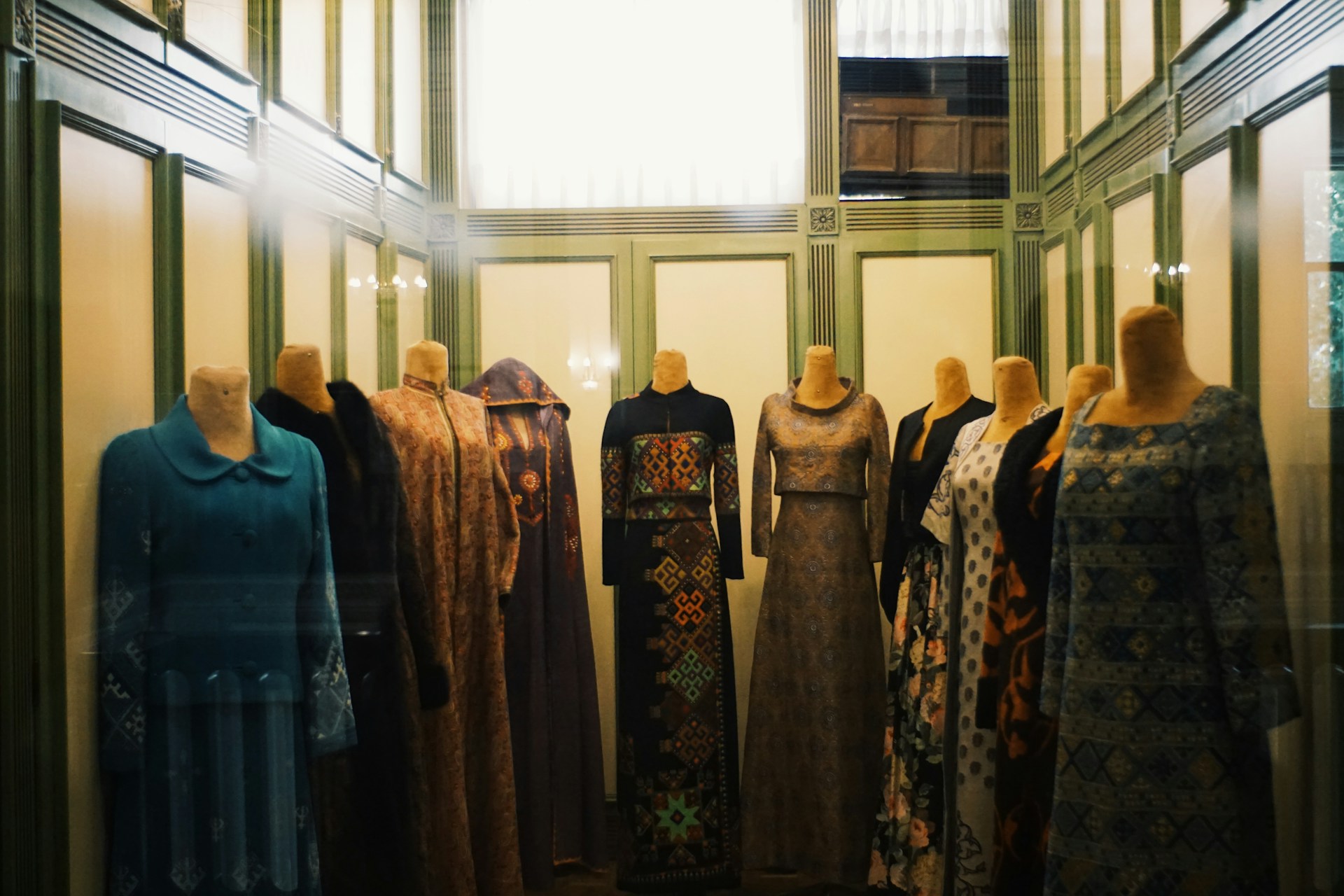
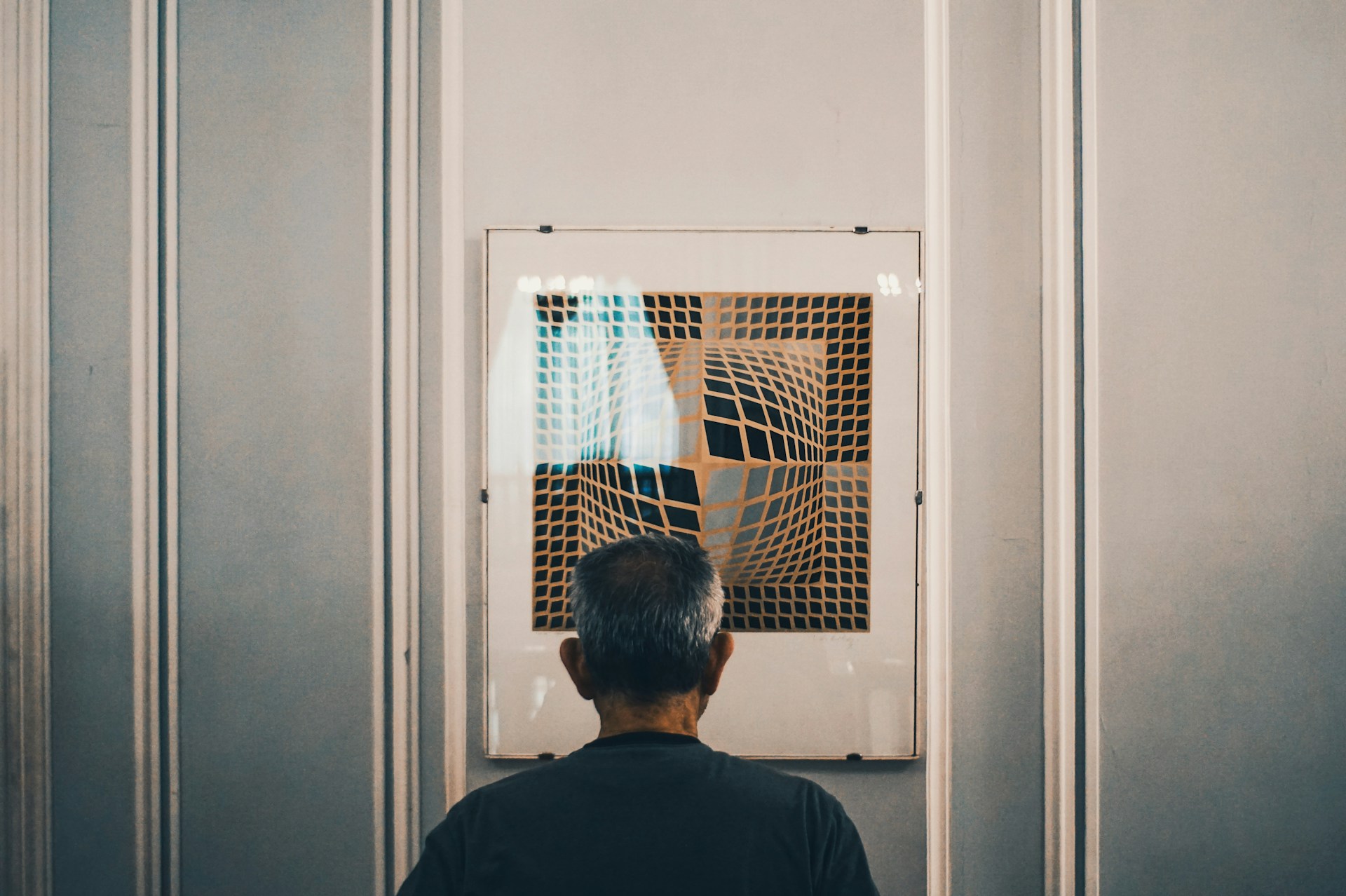
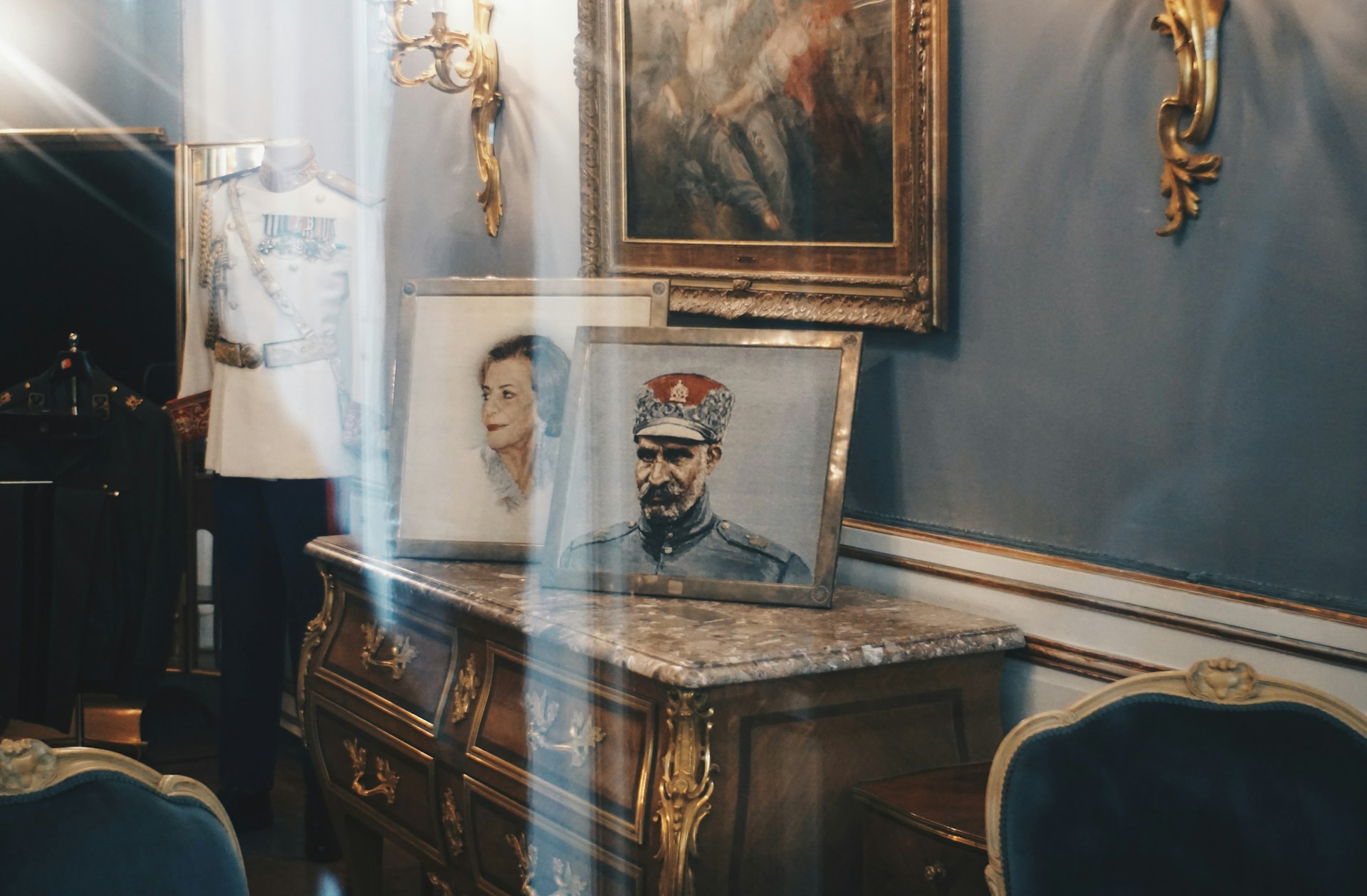
Visitors can now move freely through spaces that once shaped political decisions and family life at the highest level. Architecturally, the palace reflects a clear shift toward modernism, with clean lines, open plans, and large windows that connect interior spaces to the surrounding garden. Inside, visitors encounter modern furniture, the royal library, textiles, carpets, ceramics, decorative arts, as well as personal and everyday historical objects.
For many Iranians today, Niavaran Palace is a place of quiet reflection rather than judgment. Its power lies in its restraint: the absence of heavy interpretation allows history to be experienced through space, objects, and atmosphere, not narration. This openness — both physical and interpretive — is what makes Niavaran Palace one of the most revealing and meaningful sites in Tehran.
PRACTICAL TIPS
- Plan 2 – 3 hours to explore the full palace complex and gardens
- Visit on weekday mornings or late afternoons for a quieter experience
- Avoid weekends and public holidays, when the complex becomes crowded
- Wear comfortable shoes, as the site includes multiple buildings and garden paths
- Explore the entire ground, the garden, pavillon, and library
- Closest metro station: Tajrish (Line 1), followed by a short taxi or bus ride
NEARBY

Darakeh Restaurants & Hiking
One of Tehran’s most rugged nearby hikes, Dar Abad leads from the city edge into an exposed mountain valley with rocky terrain and minimal development.
Bame Tehran
Bam-e Tehran is a city-edge viewpoint and gateway to the Tochal mountains, linking urban life with hiking trails, cable cars, and high-altitude recreation.
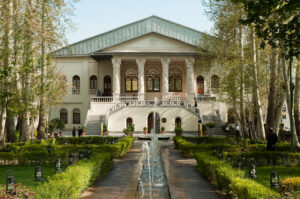
Ferdows Garden & Cinema Museum
A historic garden and villa in northern Tehran housing Iran’s Cinema Museum, where film history meets cafés, shaded paths, and everyday social life.
Darband Nature Area
Darband combines mountain restaurants, a seasonal chairlift, and a hiking trail that gradually climbs from a busy social hub into the Alborz foothills.
Park-e Jamshidieh
A terraced stone park at Tehran’s northern edge, where rocky paths, sculptures, and viewpoints create a quiet transition between the city and the Alborz Mountains.
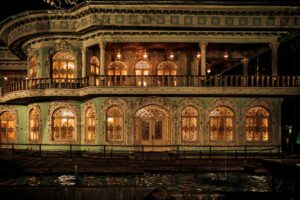
Time Museum
A quiet museum in northern Tehran exploring calendars, clocks, and timekeeping, set inside a historic villa with a garden that encourages a slower, reflective visit.
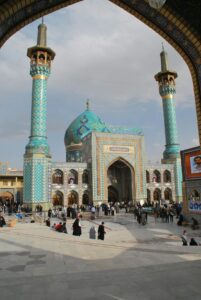
Tajrish Bazaar & Emamzadeh Saleh
A lively northern Tehran hub where a historic bazaar and shrine sit side by side, blending daily commerce, social life, and moments of quiet reflection.
Darabad Hiking
One of Tehran’s most rugged nearby hikes, Dar Abad leads from the city edge into an exposed mountain valley with rocky terrain and minimal development.