
Tucked behind Baharestan Square, Negarestan Garden is one of Tehran’s most quietly layered cultural sites. What began as a royal garden has evolved into a cluster of museums and galleries where art, education, and political history intersect. It is a place to slow down — to read Tehran not through spectacle, but through continuity.
WHY YOU SHOULD VISIT
- Explore one of Tehran’s earliest royal gardens
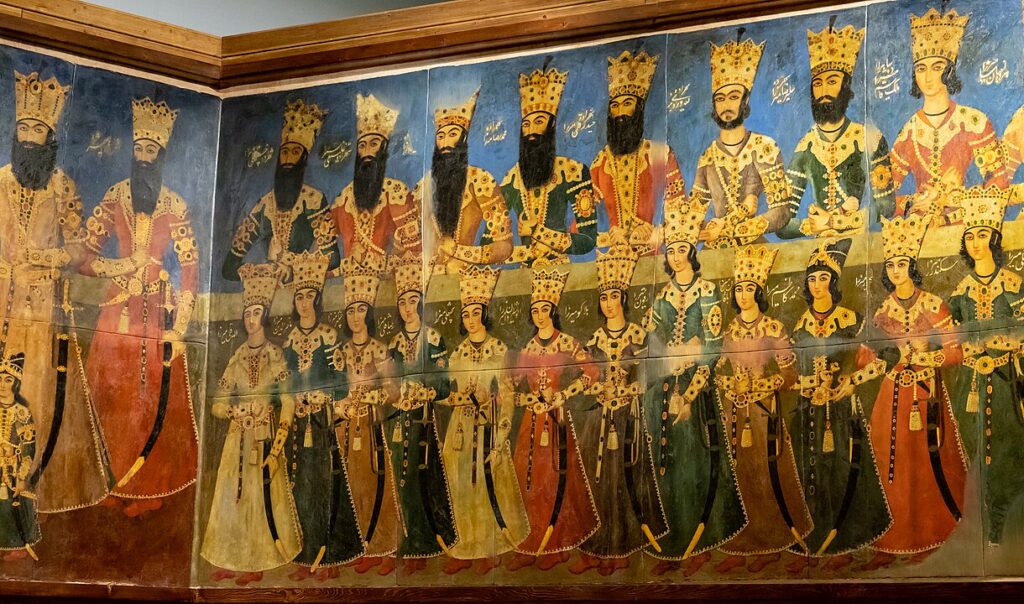
- Discover Qajar-era art and early modern Iranian visual culture
- Experience a cultural site tied to education and reform, not spectacle
- Enjoy a calm, walkable museum garden in central Tehran
- Pair art, history, and architecture in a single, intimate visit
ABOUT
History
Negarestan Garden was created in the early 19th century, during the Qajar era, as a royal garden and ceremonial complex. Its name, meaning “place of paintings,” reflected its early role as a space for visual display and courtly culture.
Over time, the garden’s function shifted. As Tehran developed into a capital, Negarestan became associated less with royal leisure and more with education and reform. It later housed early modern institutions, including schools and academic centers, linking the site to the emergence of modern learning in Iran.
During the late Qajar and early Pahlavi periods, the garden stood close to the center of political life. Its proximity to Baharestan — the seat of parliament — placed Negarestan within the landscape of reform, debate, and modernization. Rather than being frozen as a palace, the site adapted to changing priorities, moving from royal display to public knowledge.
What Makes It Special
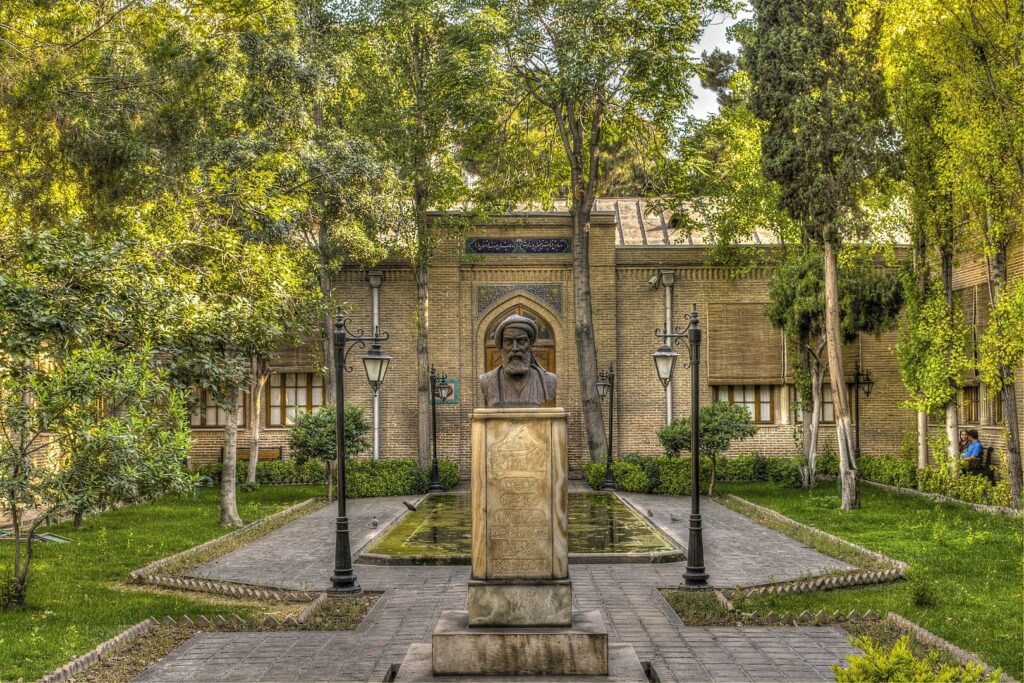
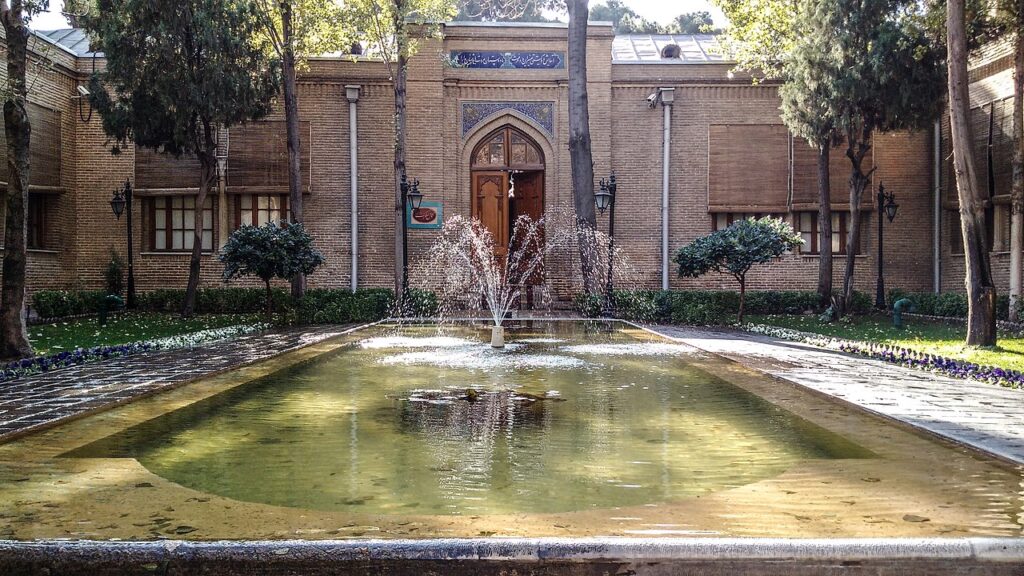
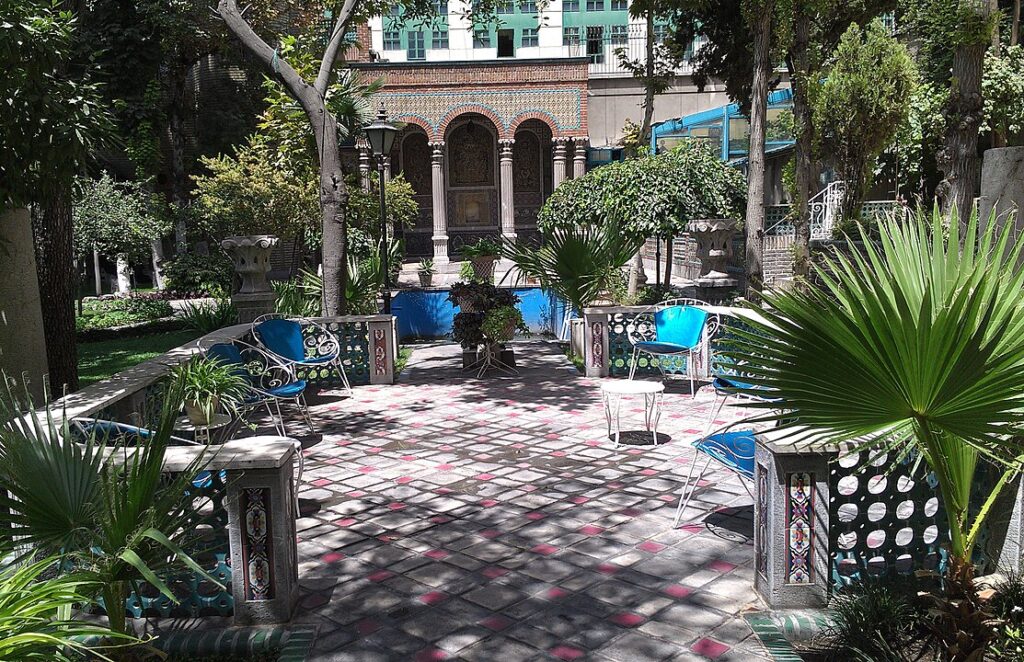
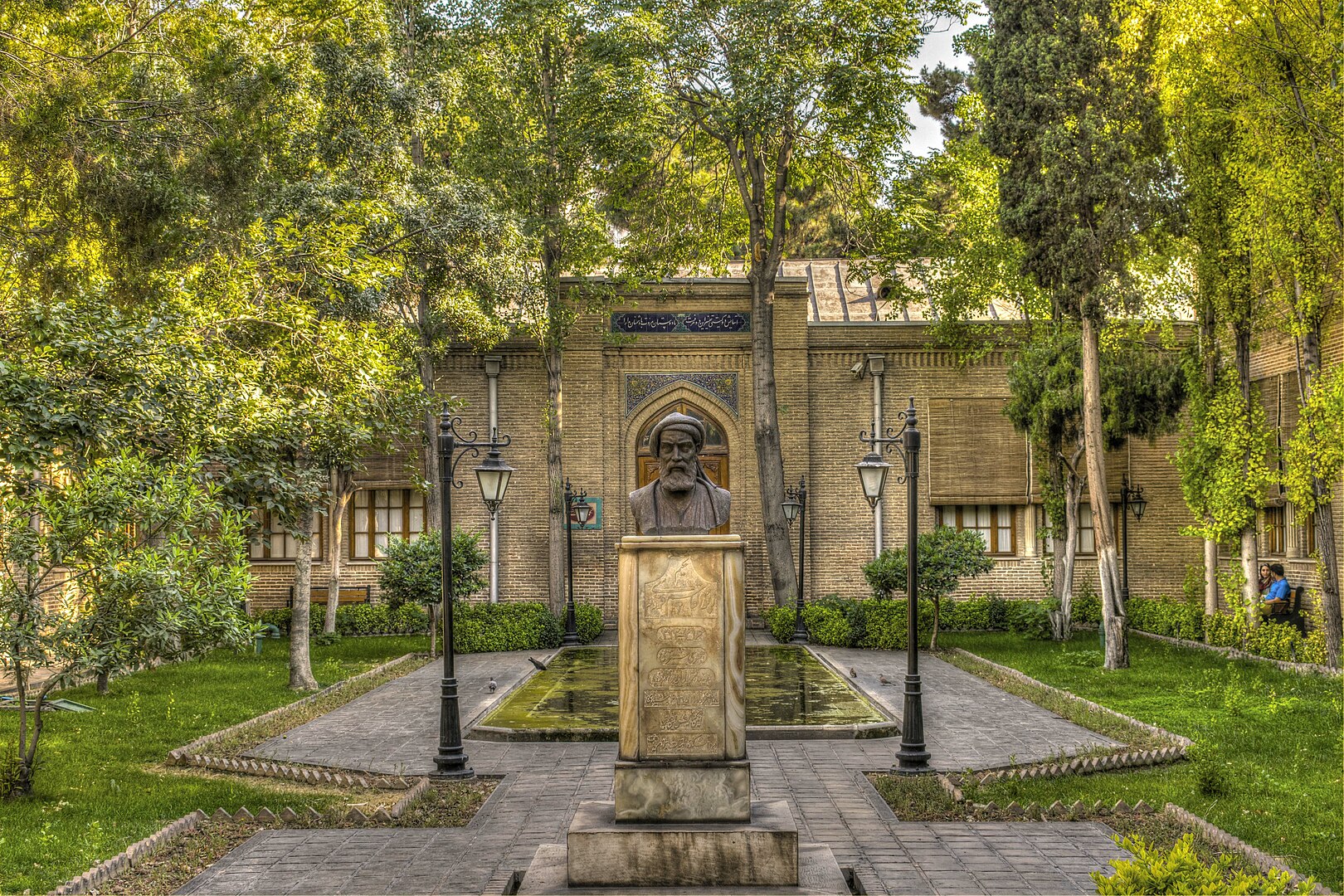
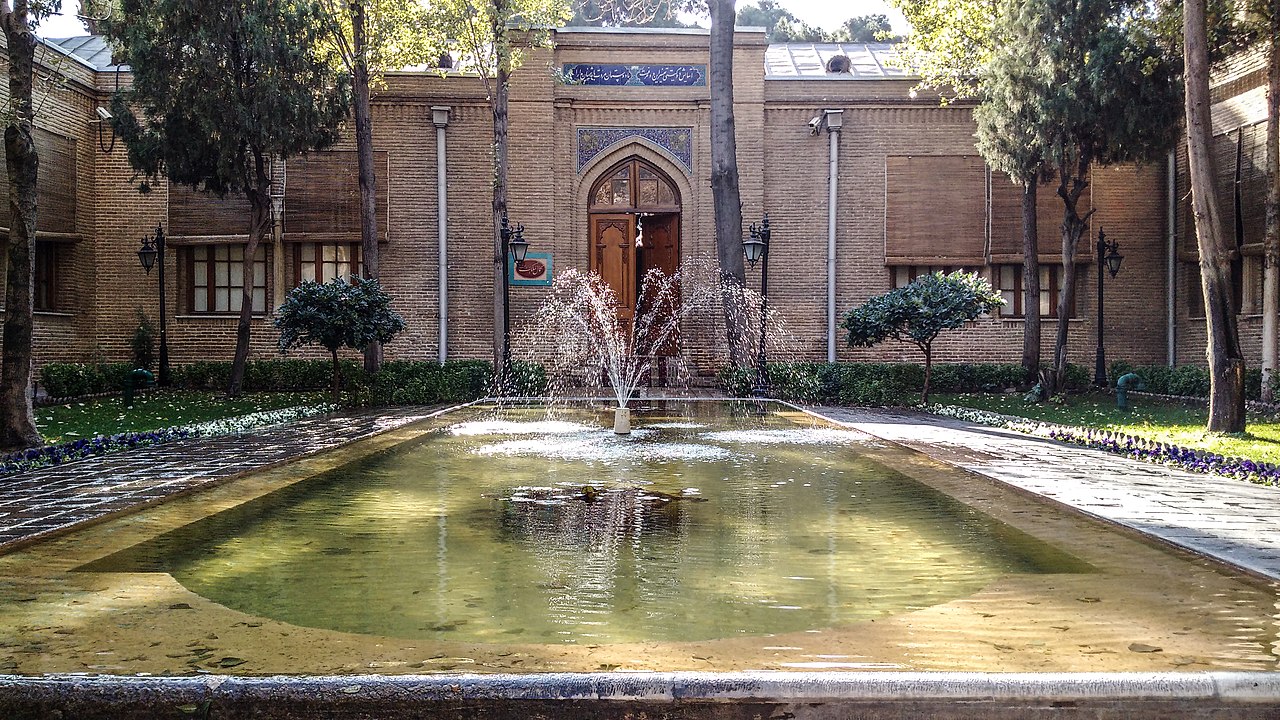
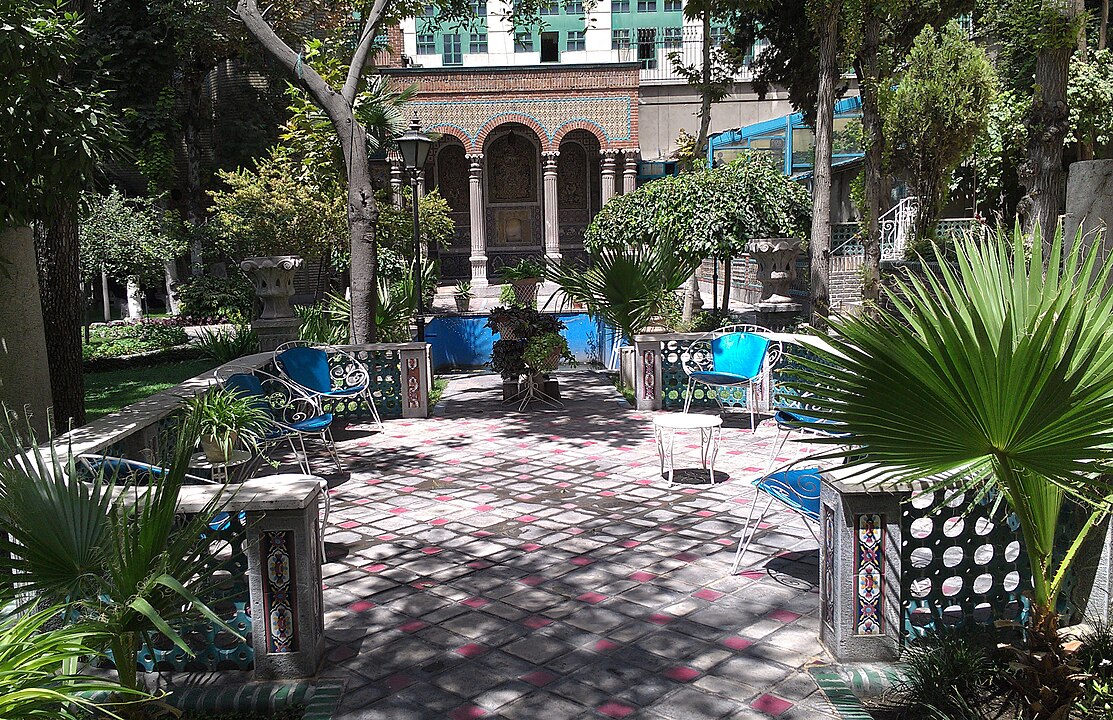
Negarestan’s character lies in its layered use over time. Unlike large palace complexes, it feels intimate and intellectual. Courtyards, arcades, and restored buildings now house a variety of museums and galleries focused on art, cultural history, and education.
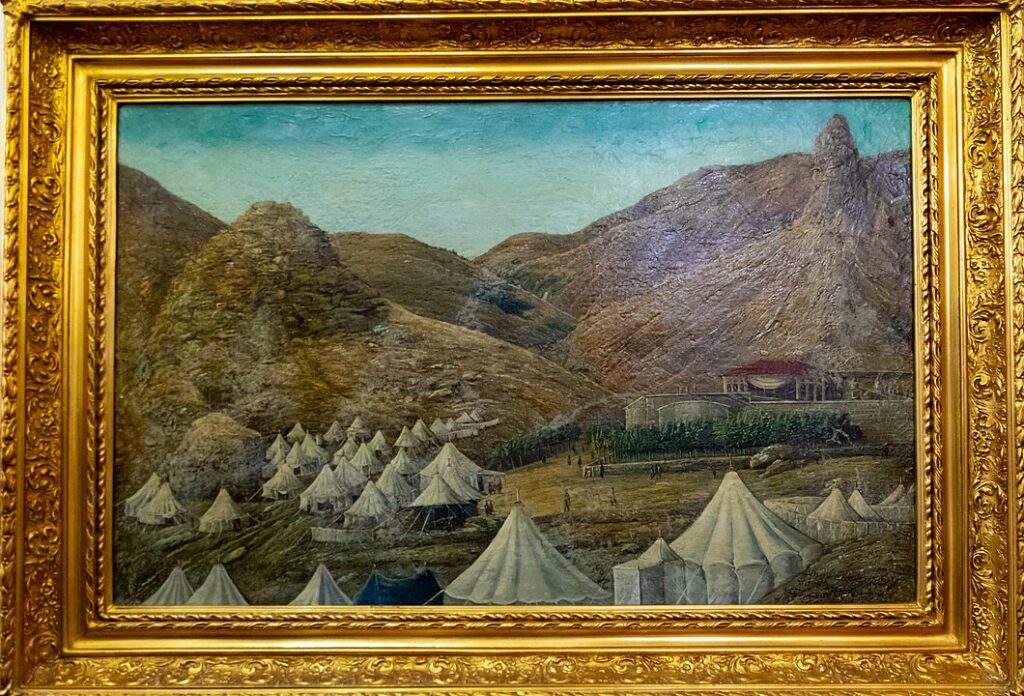
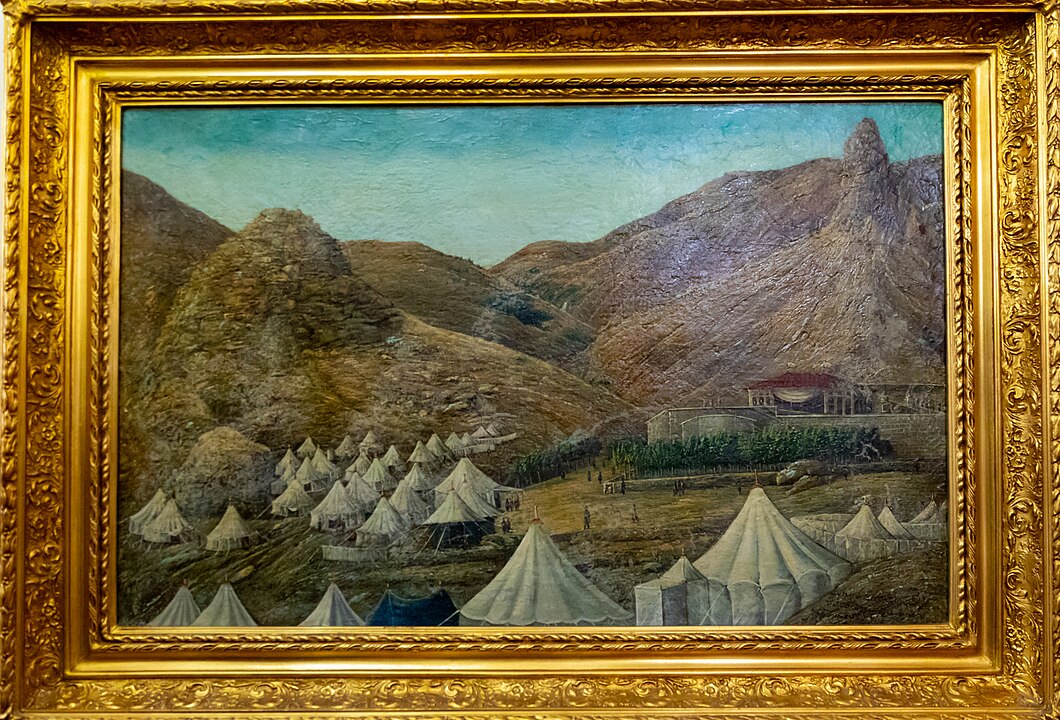
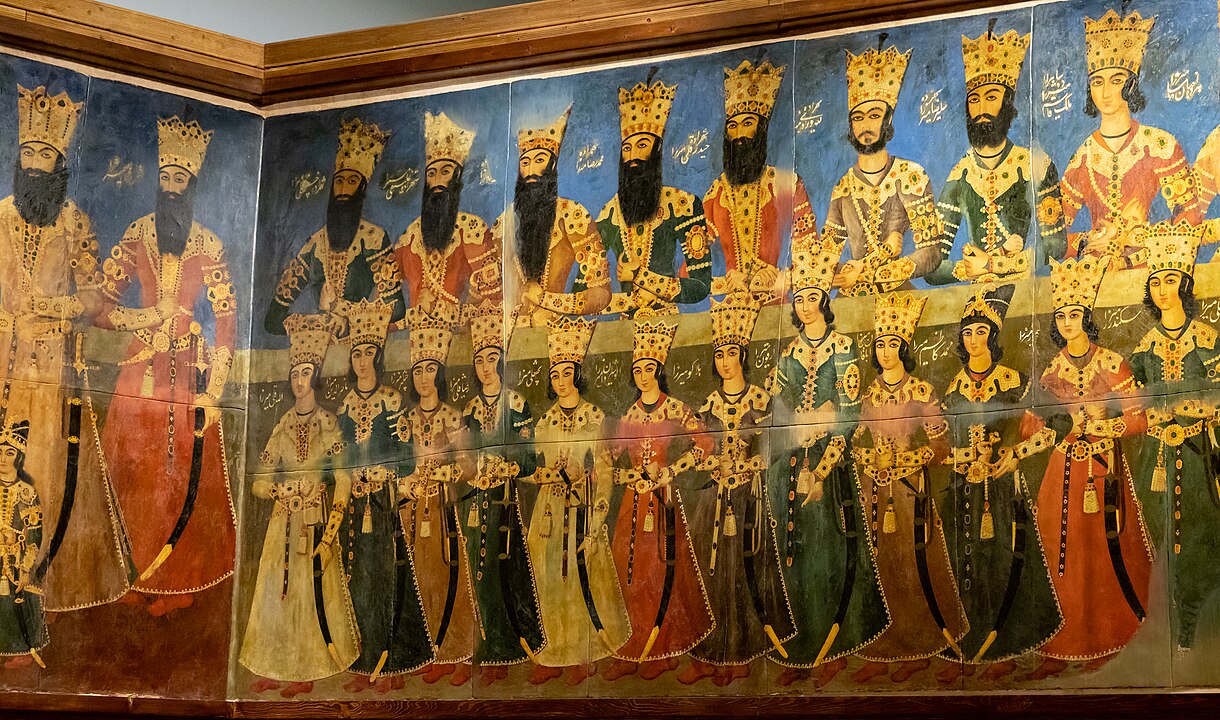
Highlights include collections of Qajar-era painting and photography, exhibitions on the development of Iranian visual culture, and galleries dedicated to modern and contemporary works. The atmosphere is reflective rather than grand — a place where art and history are encountered at human scale.
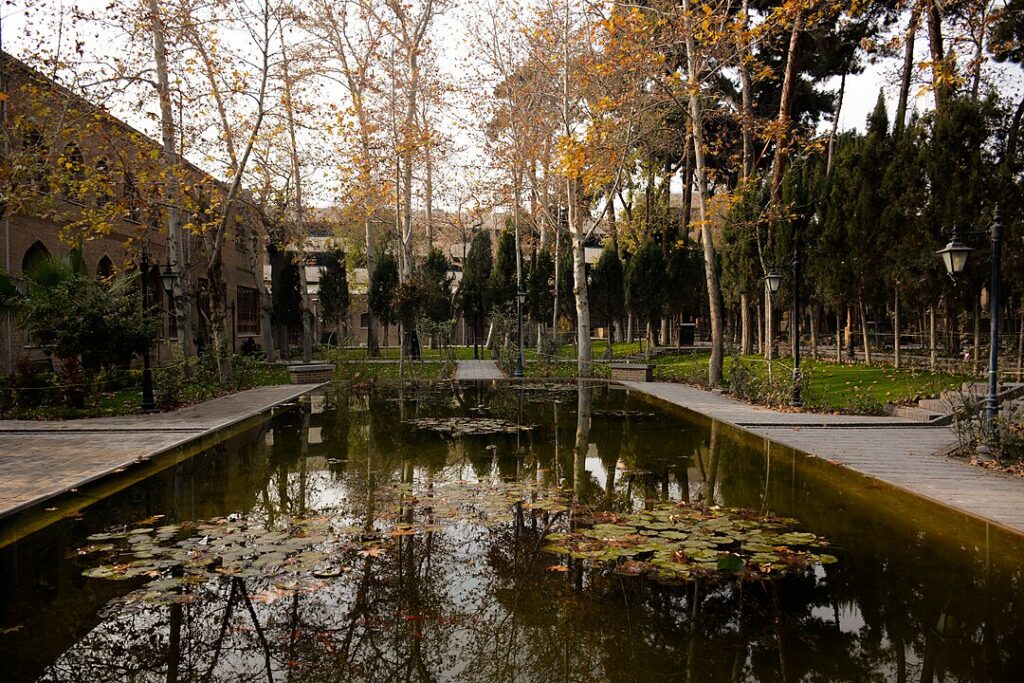
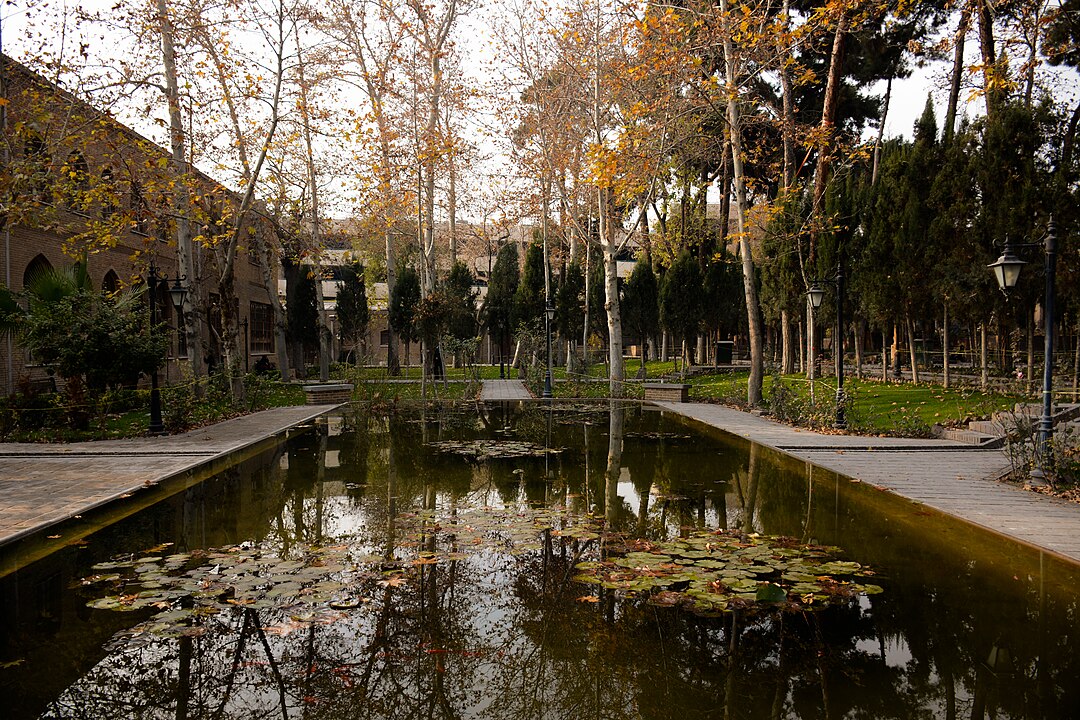
The garden itself is central to the experience. Shaded paths, water features, and open courtyards create a calm setting that contrasts with the surrounding city. Negarestan is less about royal power than about transition — from court culture to public culture, from monarchy to modern civic life.
PRACTICAL TIPS
Plan 1.5–2 hours
Best time: Weekday mornings or early afternoons
Avoid busy weekends for a quieter experience
Closest metro: Baharestan (Line 2)
Combine with Masoudieh Palace and Baharestan Square for context