
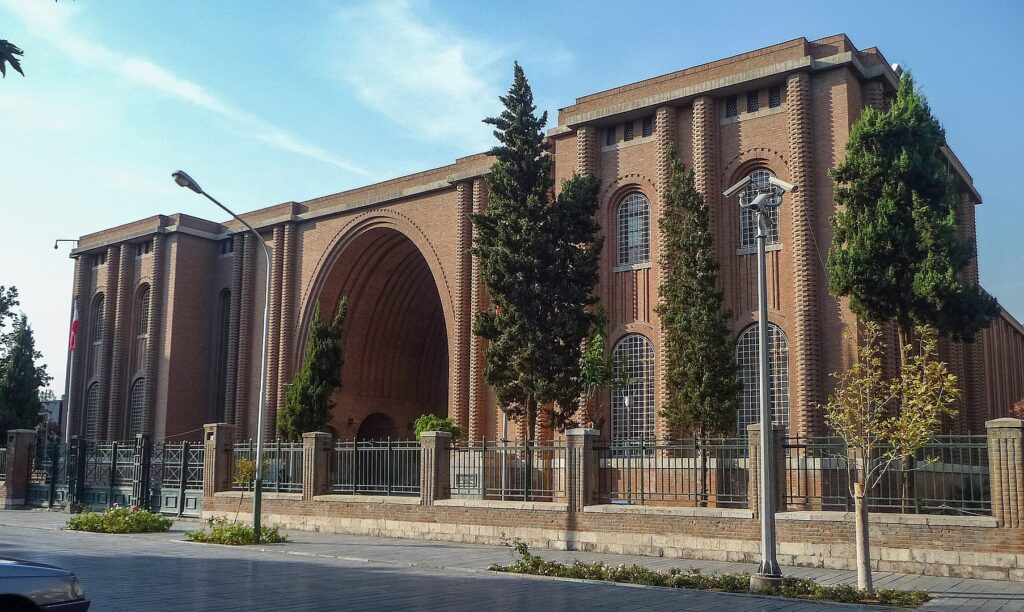
Located in central Tehran, the National Museum of Iran is the world’s most important institution for Iranian history, home to over 3 million artifacts. Rather than focusing on one era, it offers a clear journey through thousands of years of Iranian civilization — the best place to build context before exploring Iran’s major historic sites, or to deepen what you’ve already seen. Besides the Museum of Ancient Iran there is also the Museum of the Islamic Era.
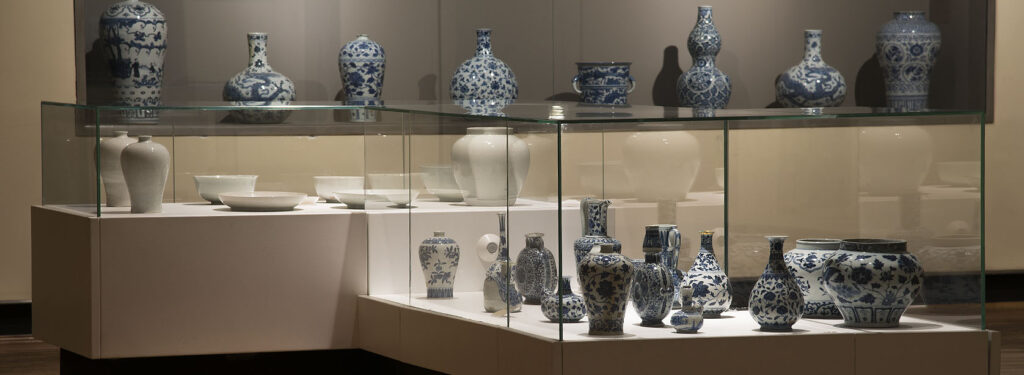
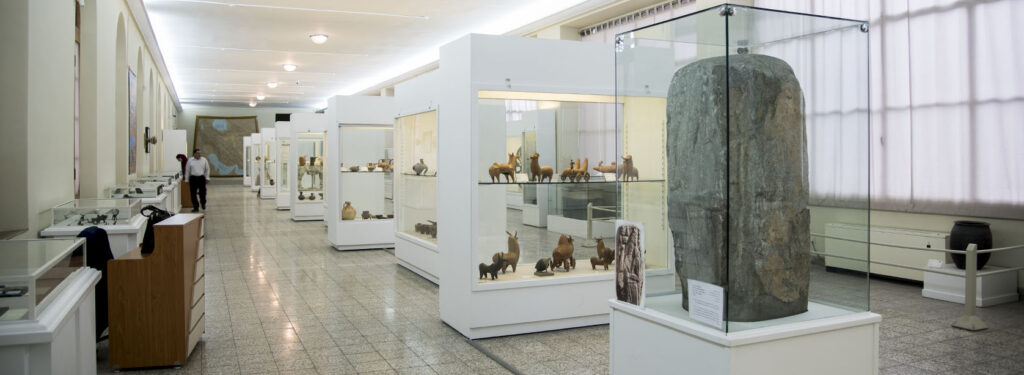
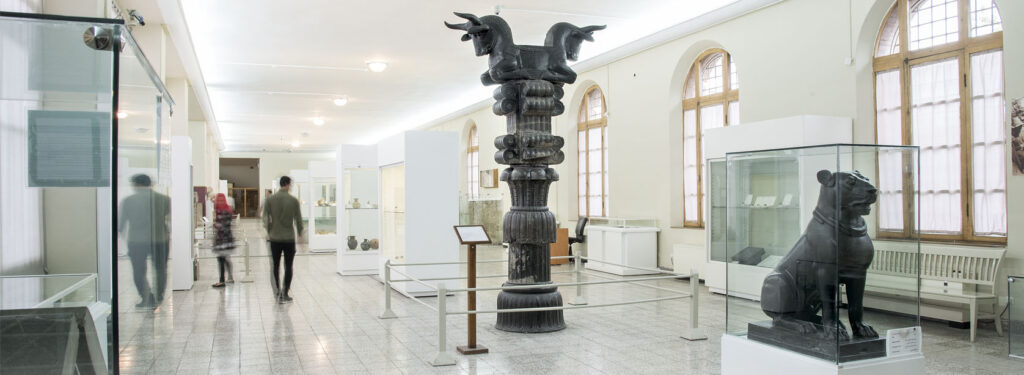
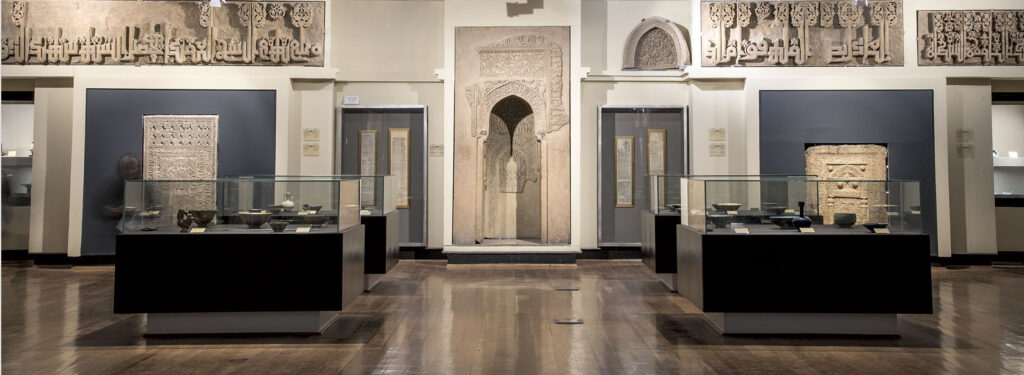
Photos by: Wikipedia, National Museum of Iran
WHY YOU SHOULD VISIT
- Gain essential context for Iran’s history and archaeology
- See artifacts spanning several millennia in one place
- Understand the continuity between pre-Islamic and Islamic Iran
- Visit Iran’s most authoritative and well-curated museum
- Prepare yourself for visiting historic sites across the country
ABOUT
National Museum of Iran
History
The National Museum of Iran was established in the early 20th century, at a time when archaeology and heritage preservation became central to Iran’s cultural identity. The museum complex includes two main buildings: the Museum of Ancient Iran and the Museum of the Islamic Period.
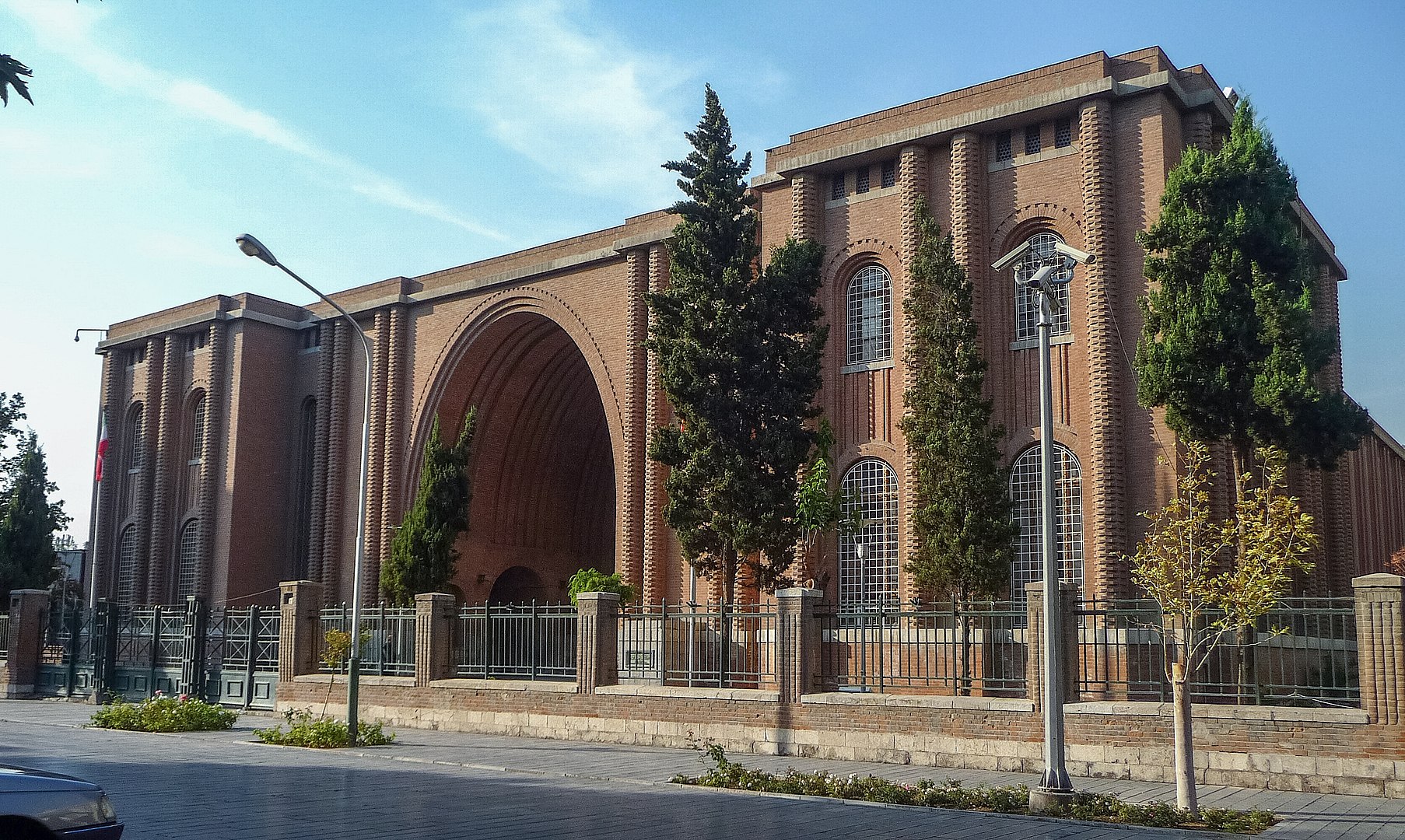
The Museum of Ancient Iran was designed by French architect André Godard, with architectural inspiration drawn from Sassanian forms. From the beginning, the museum was intended not just as a collection space, but as a place to present Iran’s past through archaeological research and clear historical structure.
What Makes It Special
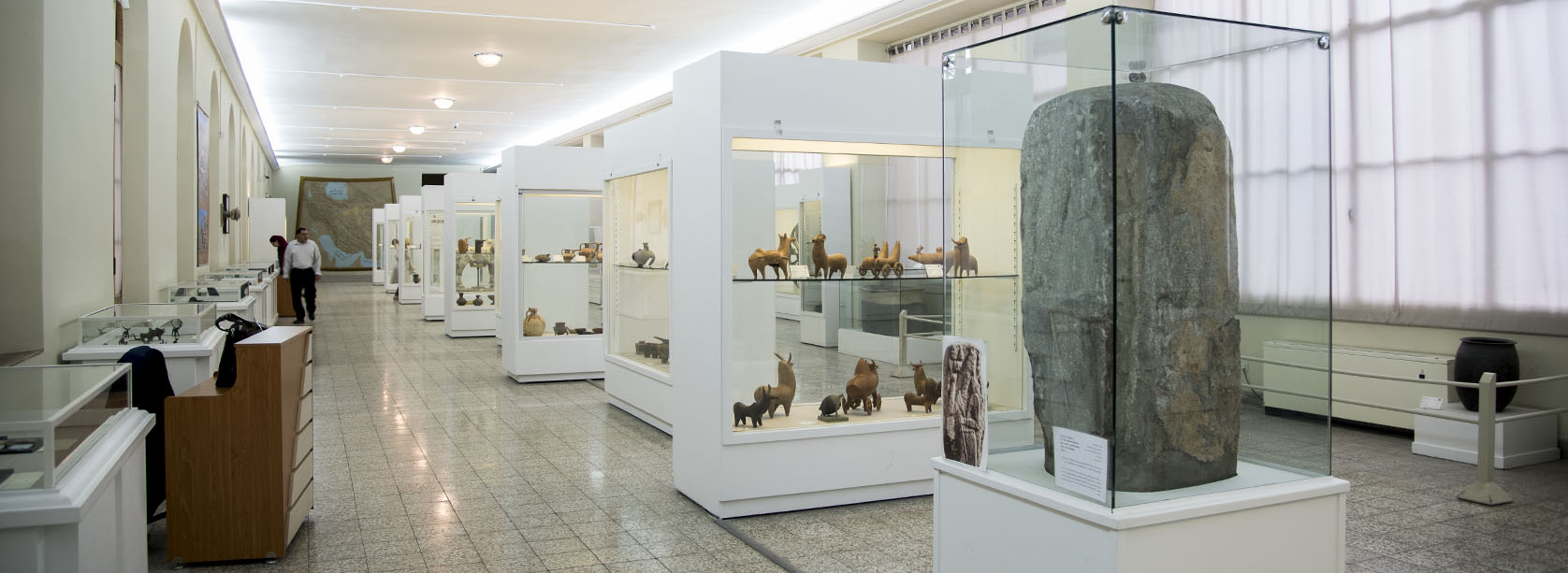
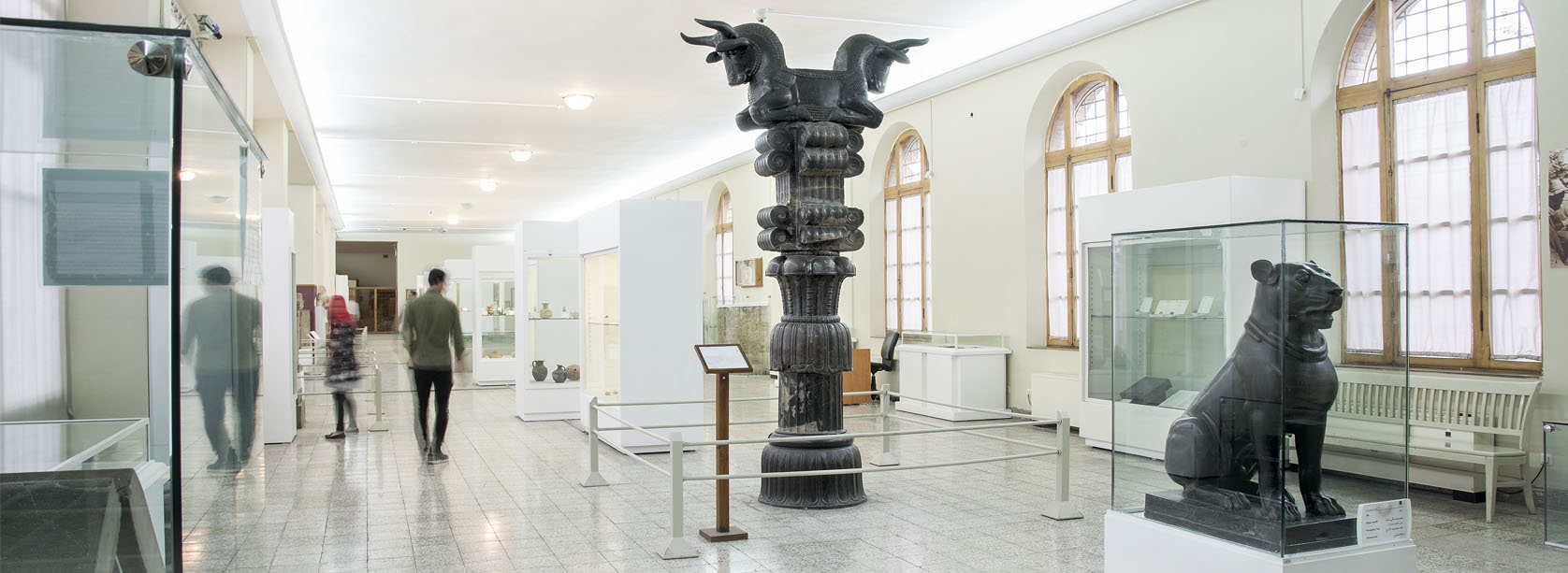
What sets the National Museum of Iran apart is its depth and continuity. The collection spans from prehistoric settlements and early tools to the great eras of Elam, Achaemenid, Parthian, and Sassanian Iran, and onward into the Islamic period. This long timeline helps visitors understand Iran not as disconnected eras, but as a continuous cultural landscape.
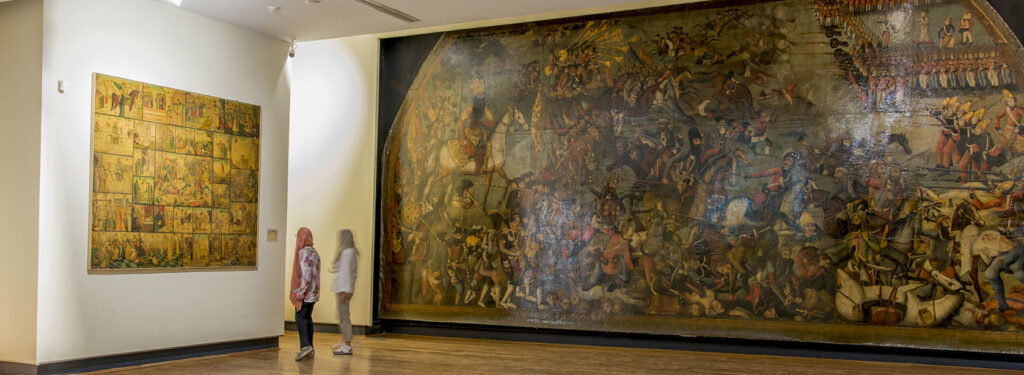
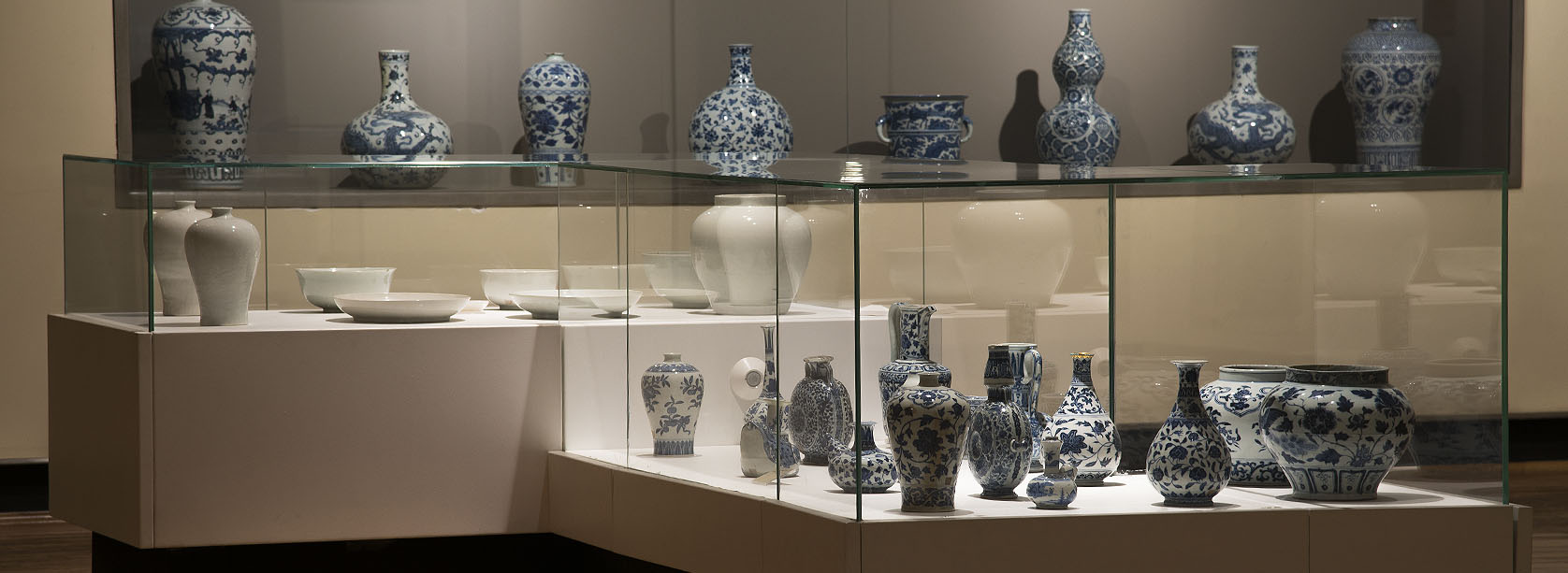
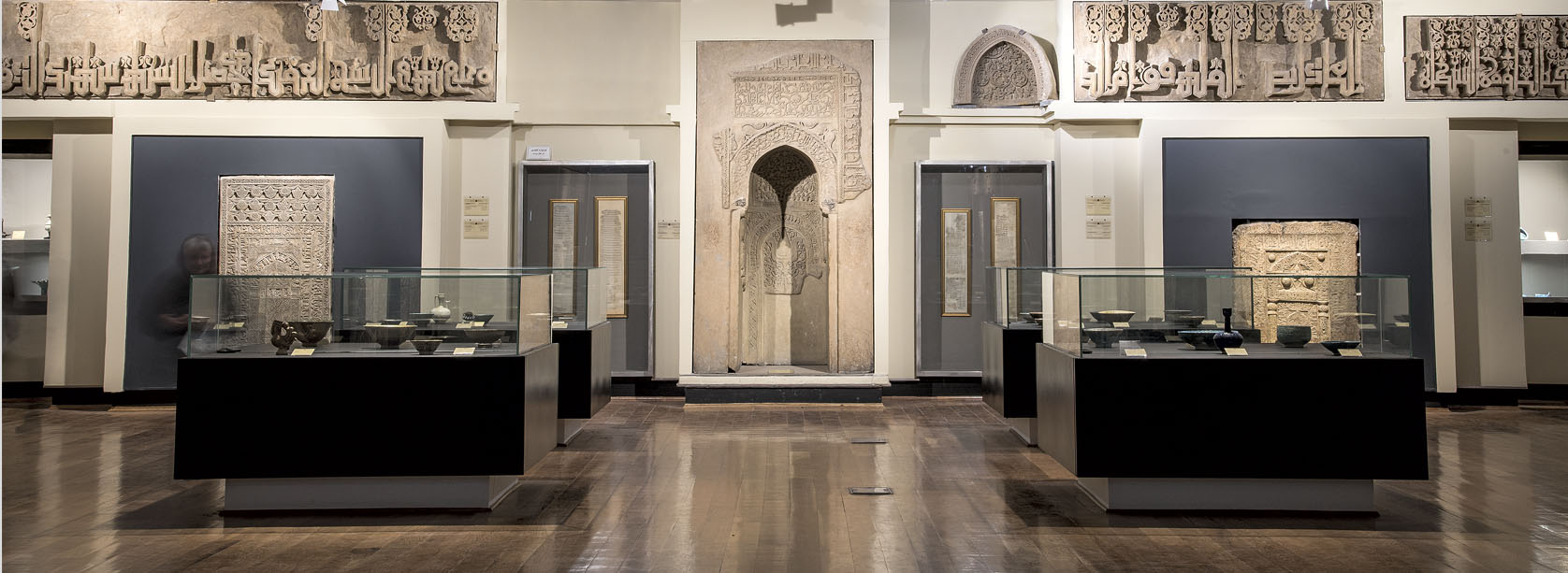
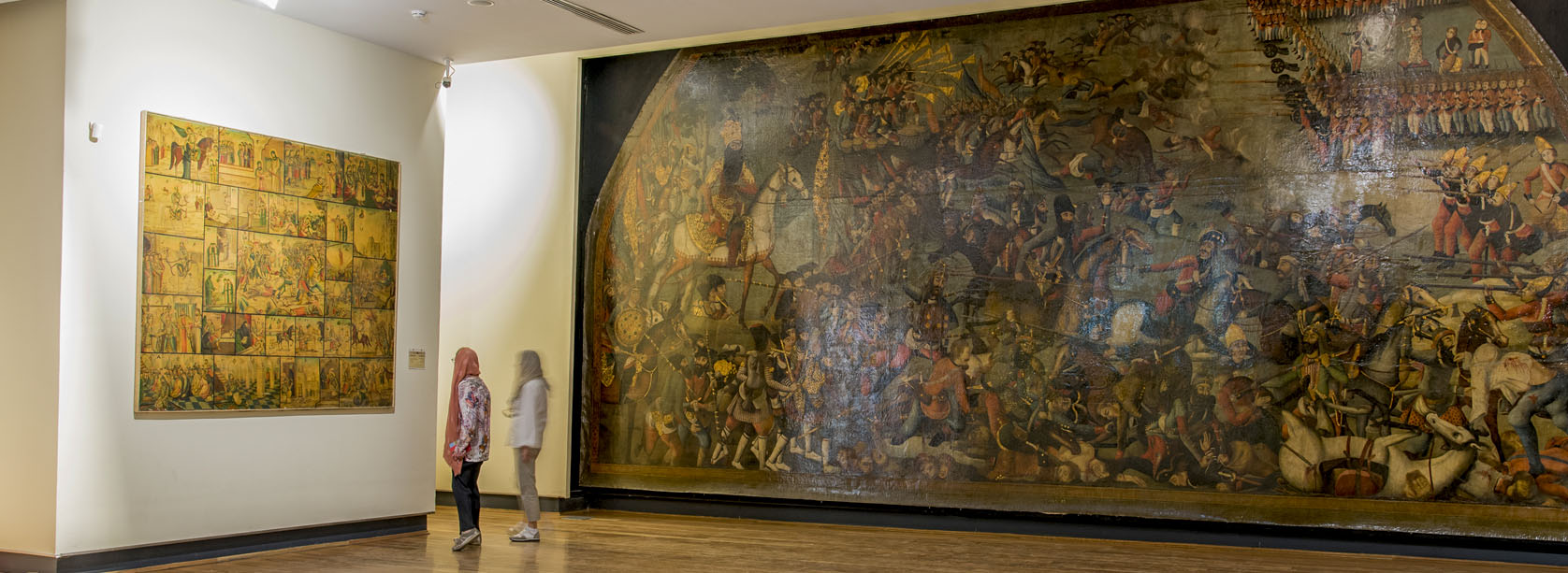
Highlights include prehistoric ceramics, stone tools, inscriptions, sculptures, coins, and architectural fragments from major archaeological sites across the country. The Islamic section adds manuscripts, metalwork, textiles, ceramics, and everyday objects, showing how culture evolved while retaining strong local traditions.
The museum’s strength is its clarity and restraint. Displays are presented without theatrical framing, allowing objects to speak for themselves. For many visitors, this creates an ideal place to observe, compare, and connect what they see here with the historic sites across Iran.
PRACTICAL TIPS
Plan 1.5–2.5 hours to visit both museum buildings
Best time to visit: Morning for a quieter experience
Closest metro station: Imam Khomeini (Lines 1 & 2)
Photography rules vary by gallery; check signage on-site
Pair with Golestan Palace for a deeper historical day in central Tehran