
Located just south of Baharestan Square in central Tehran, Masoudieh Palace is one of the city’s most atmospheric historic sites. Less polished than Golestan and far quieter, it offers a layered experience where architecture, politics, and everyday urban life intersect. Masoudieh is not only a palace to admire, but a place to understand how Iran moved from royal rule toward modern political life.
Photos by: Hassan Ghasemi, Wikipedia
WHY YOU SHOULD VISIT
- Explore a palace closely connected to Iran’s constitutional era and modern political awakening
- See Qajar-era architecture in a quieter, more intimate setting than major palaces
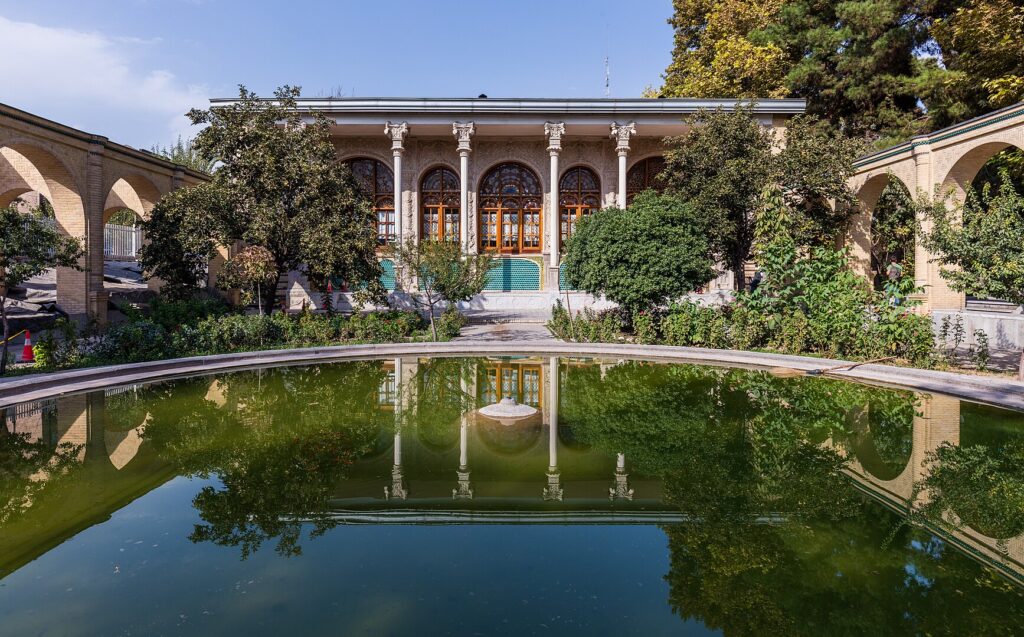
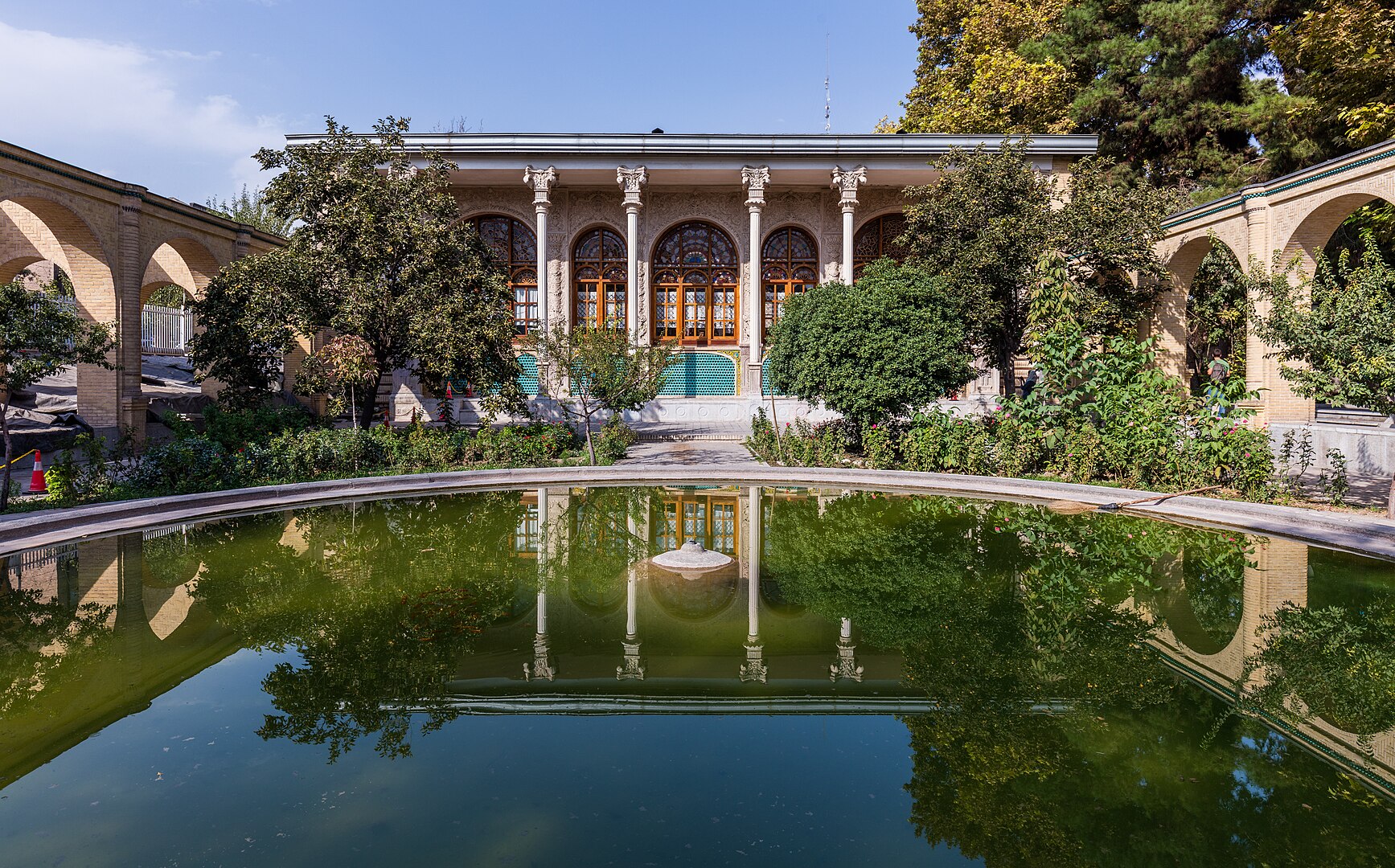
- Enjoy a calm courtyard atmosphere in the heart of Tehran
- Visit a living heritage space that hosts exhibitions and cultural activity
ABOUT
Masoudieh Palace
History
Masoudieh Palace emerged in the final decades of the Qajar era, a time marked by weak governance, financial crisis, and growing foreign influence. Unable to sustain the state internally, Qajar rulers relied on loans and concessions to Russia and Britain, giving foreign powers significant economic and political leverage. During periods of unrest, this influence became direct: especially Russian military actions supporting royal authority eroded the constitutional project and weakened Iran’s fragile sovereignty.
Reformers — merchants, clerics, journalists, and intellectuals — responded by seeking to reshape power through law, parliament, and constitutional limits. During the Constitutional Revolution, Masoudieh Palace shifted from a princely residence into a space of political activity. Its proximity to the new parliament made it a natural hub for meetings, publications, and organizing.
These ambitions proved difficult to sustain. Internal divisions and continued foreign pressure weakened the constitutional system, and by the early 1920s, centralized monarchy returned under the Pahlavi era. Masoudieh Palace was repurposed for administrative and educational uses, losing its political role but retaining its layered history. Since the early 2000s, the palace has functioned as a museum and cultural site, offering visitors a quiet encounter with Iran’s transition from dynastic rule to modern statehood.
What Makes It Special
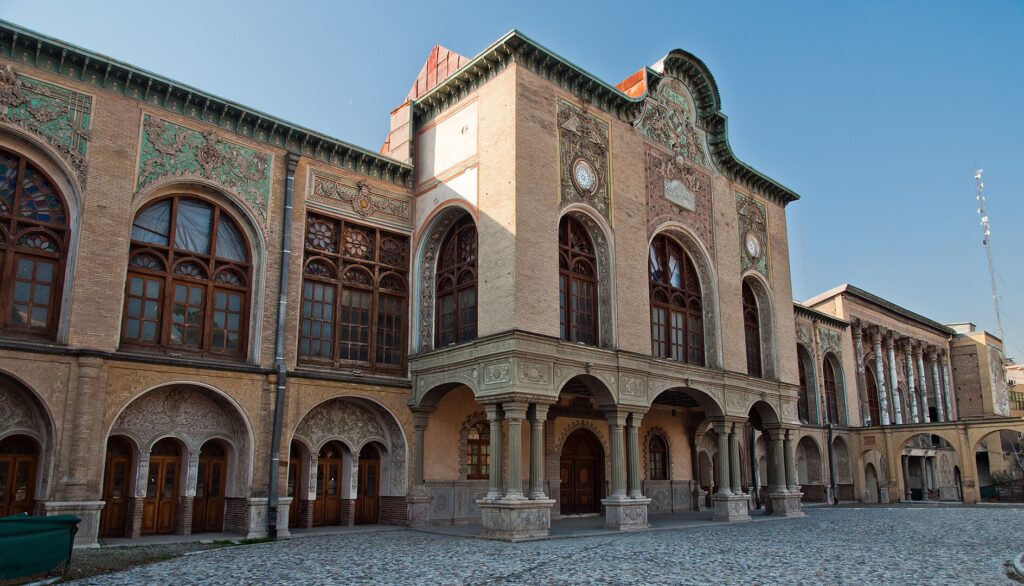
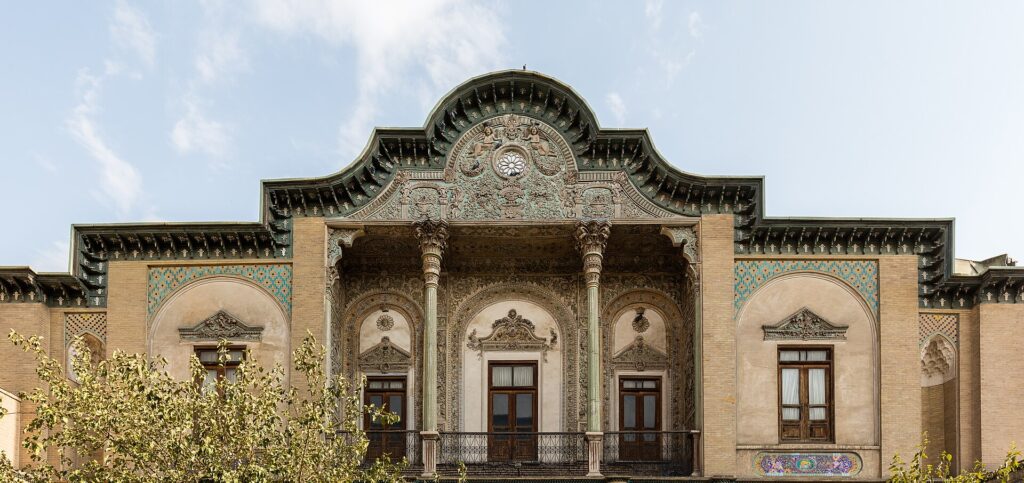
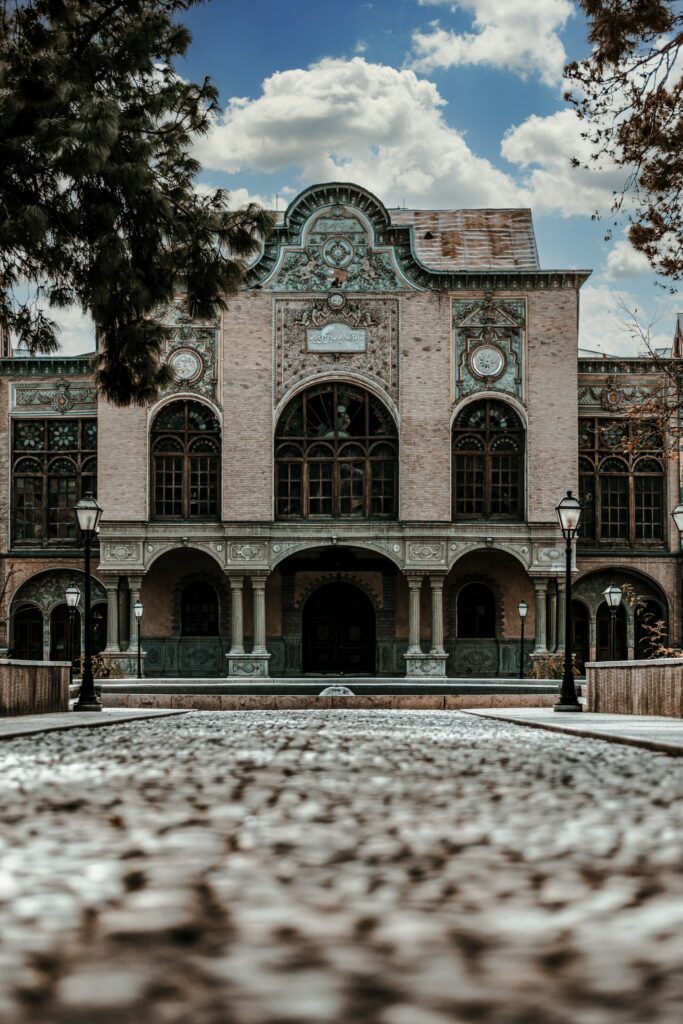
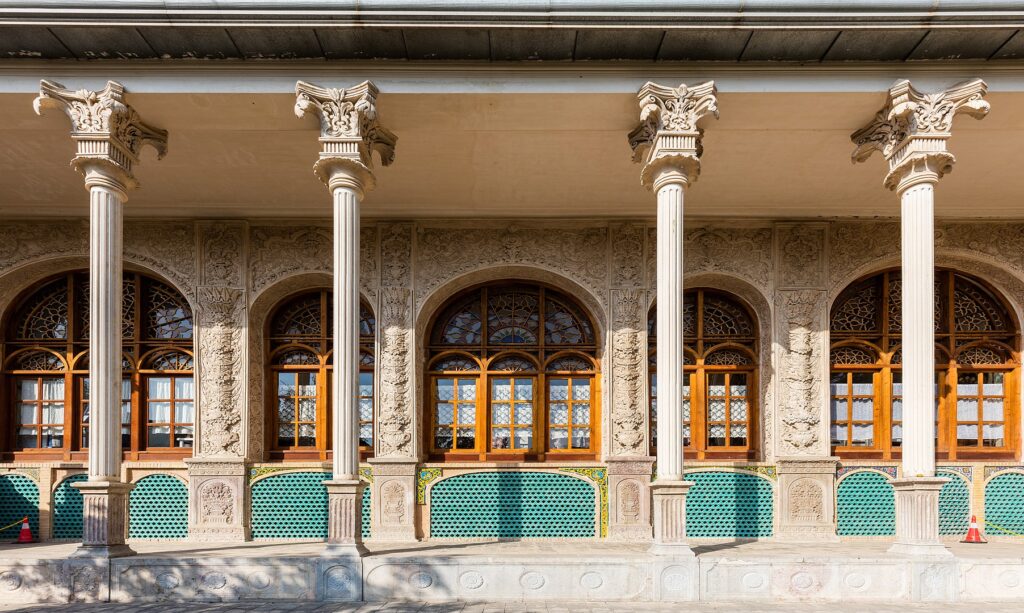
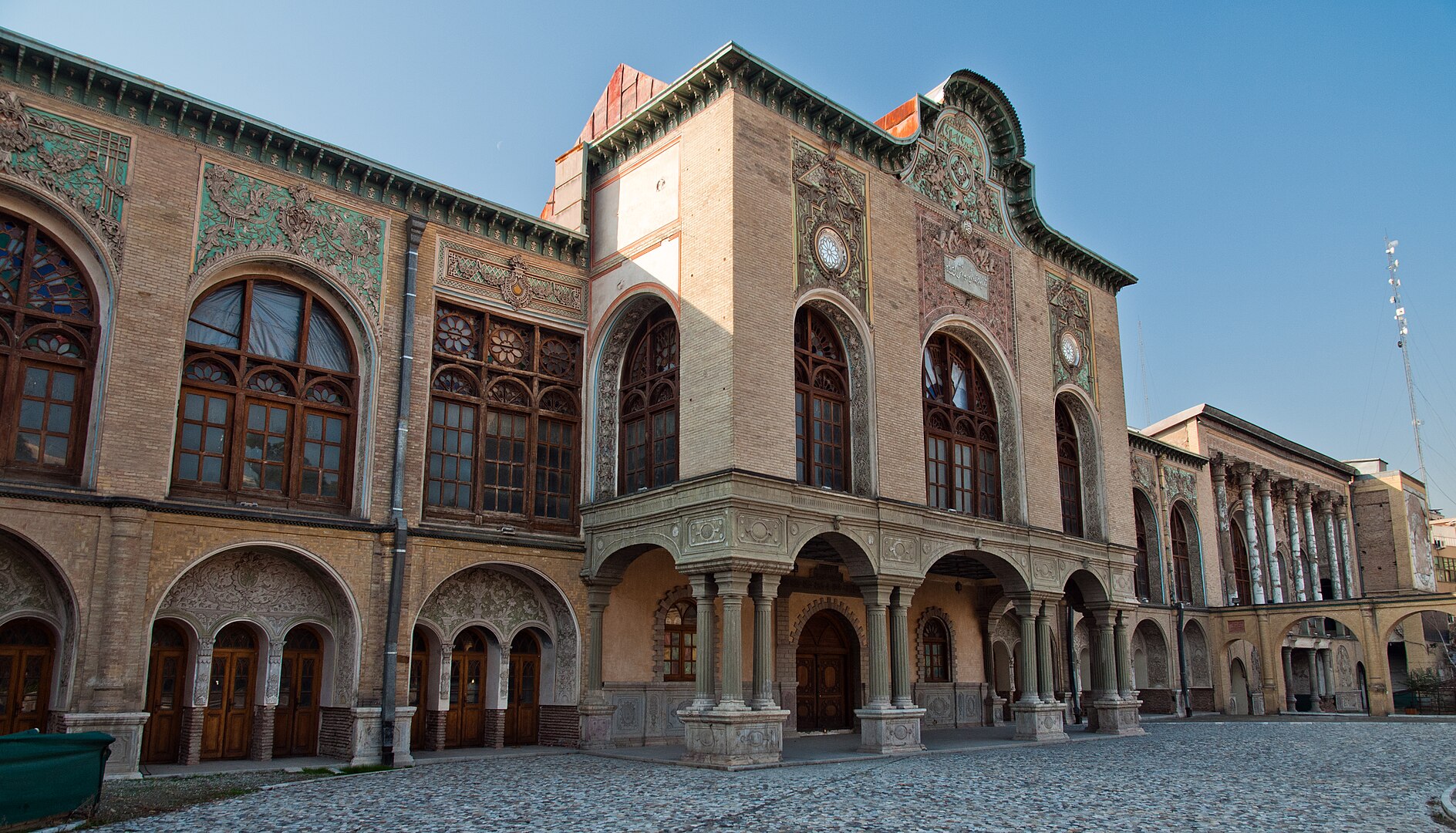
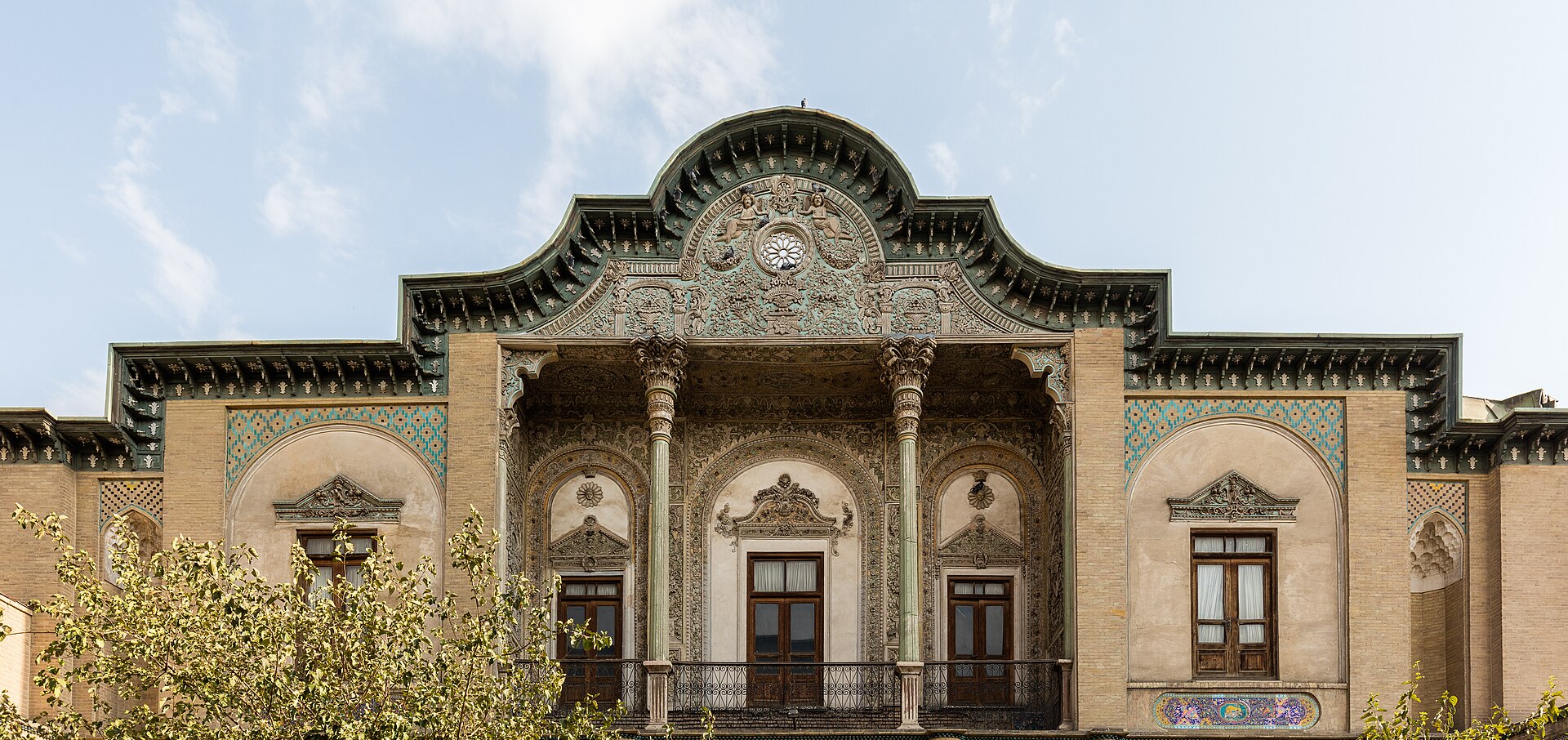
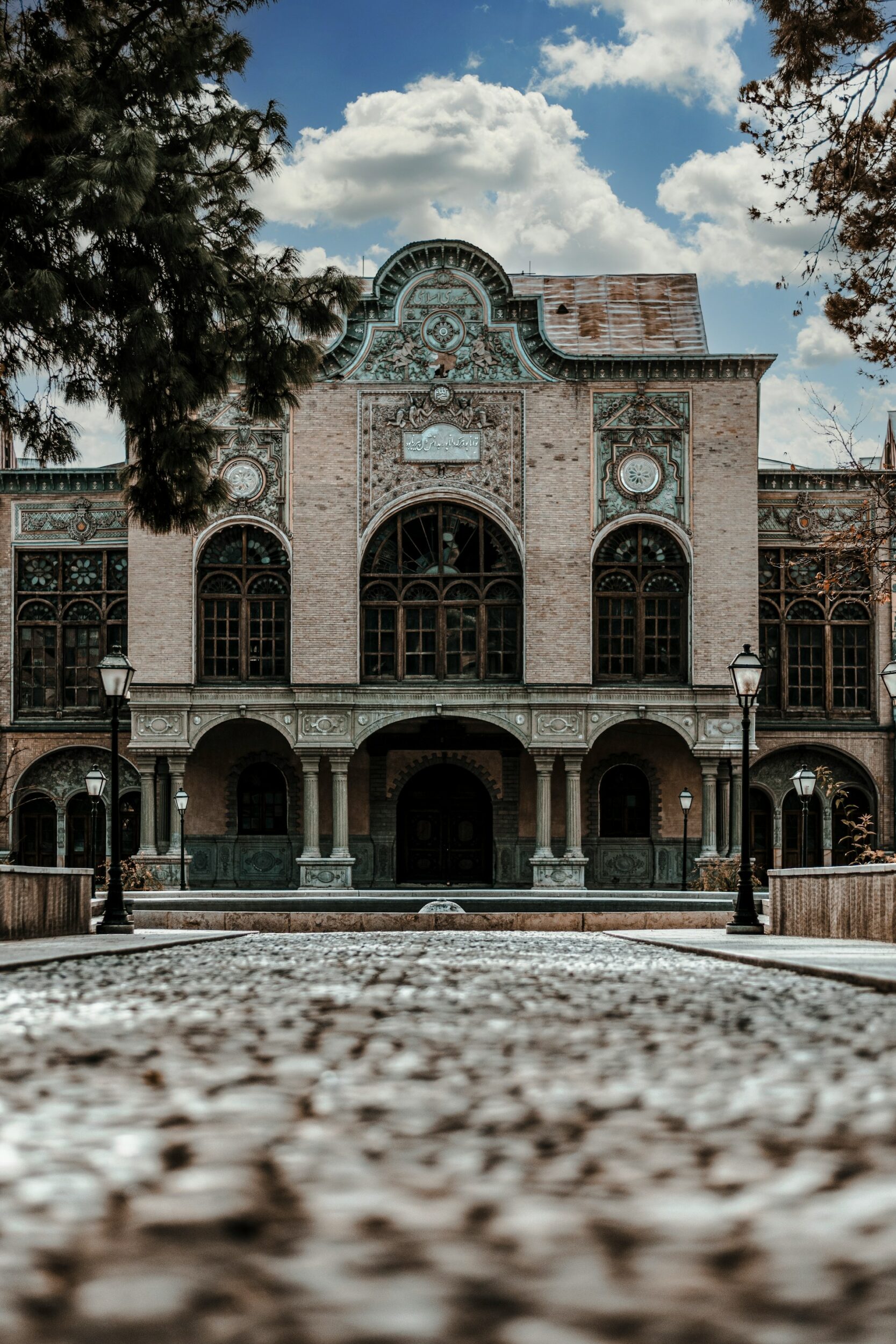
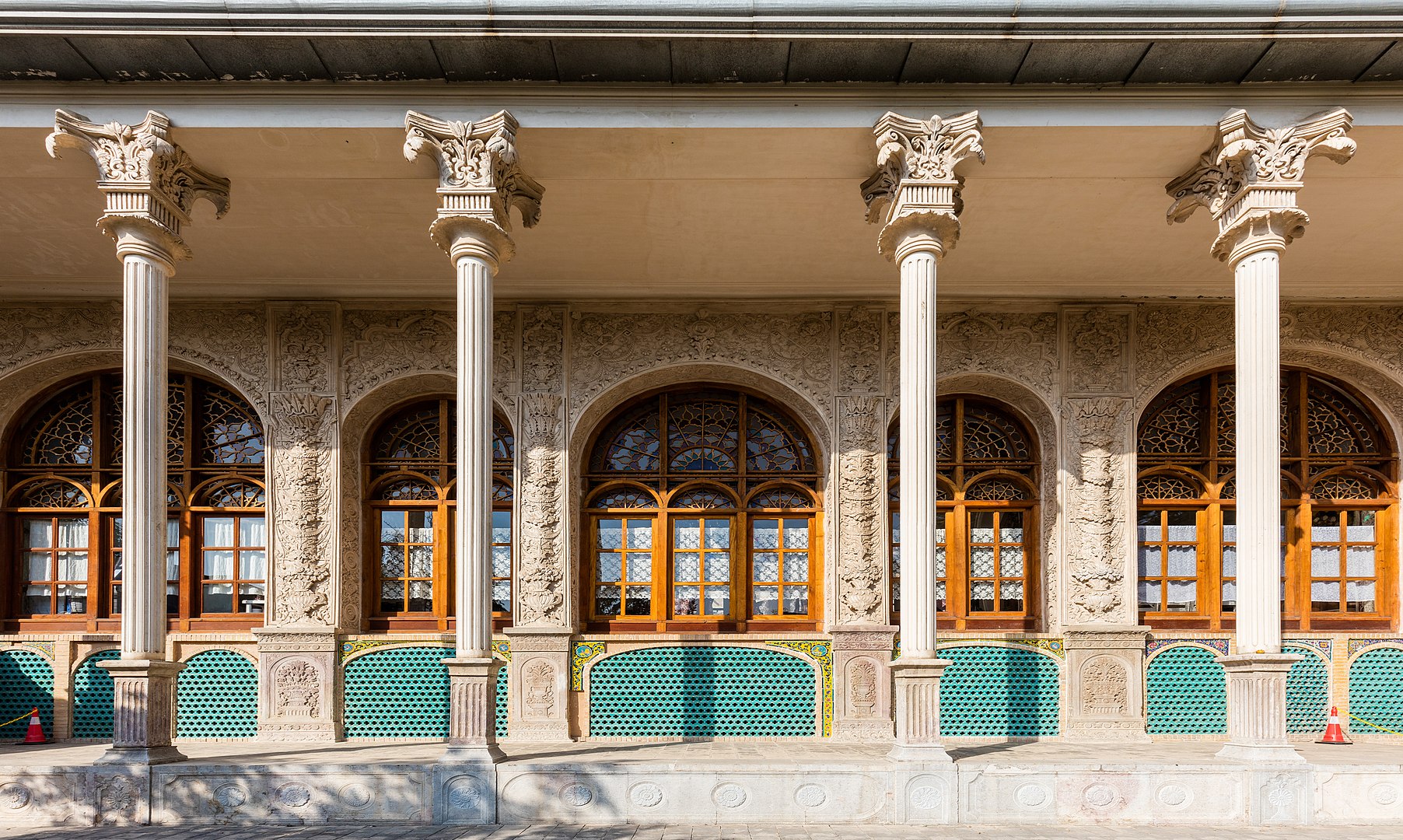
Masoudieh Palace stands out not for sheer grandeur, but for its historical tension. Built as a symbol of Qajar princely authority, its refined architecture — brick façades, intricate tilework, stucco decoration, inscriptions, and painted interiors — reflects an era deeply invested in display, ceremony, and elite presence.
Seen in hindsight, this splendor stands in contrast to the social and political pressures of its time. While royal and aristocratic circles continued to invest in architectural elegance, much of society was grappling with economic hardship, weak governance, and growing foreign influence. Masoudieh Palace can therefore be read as a physical expression of the widening distance between elite authority and everyday realities.
During the constitutional period, the same space once designed to embody power became a setting where that power was questioned, debated, and reorganized. Later uses during the Pahlavi era, followed by its transformation into a museum and cultural venue, add further layers to this story. Masoudieh is a witness to transition — from royal display to political struggle, from ambition to reform, and from authority to accountability. Walking through the palace today is an exercise in reading architecture not only as beauty, but as evidence of a society in the process of change.
PRACTICAL TIPS
- Plan 1–1.5 hours for a relaxed visit
- Best time to visit: Late morning or early afternoon on weekdays
- Closest metro station: Baharestan (Line 2)
- Combine with Baharestan Square and central Tehran walks