
The Tehran Grand Bazaar is not a single place but a city within the city — a dense network of corridors, courtyards, caravanserais, workshops, mosques, and shrines that has shaped Tehran’s economic and social life for centuries. It’s loud, layered, practical, and intensely human. To walk the bazaar is not to visit history, but to step directly into it.
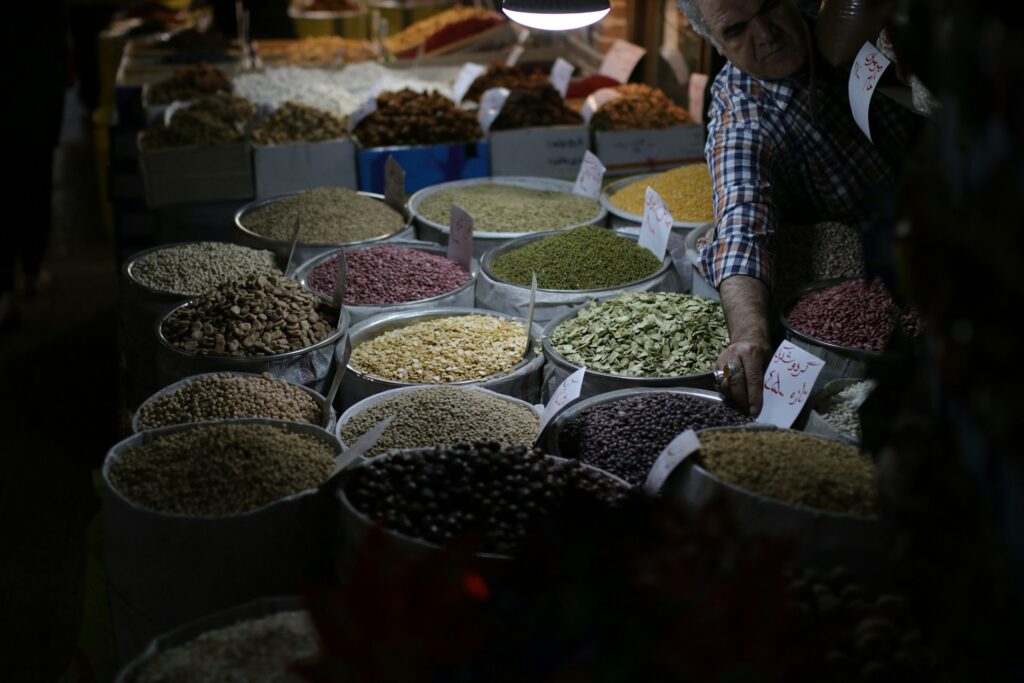
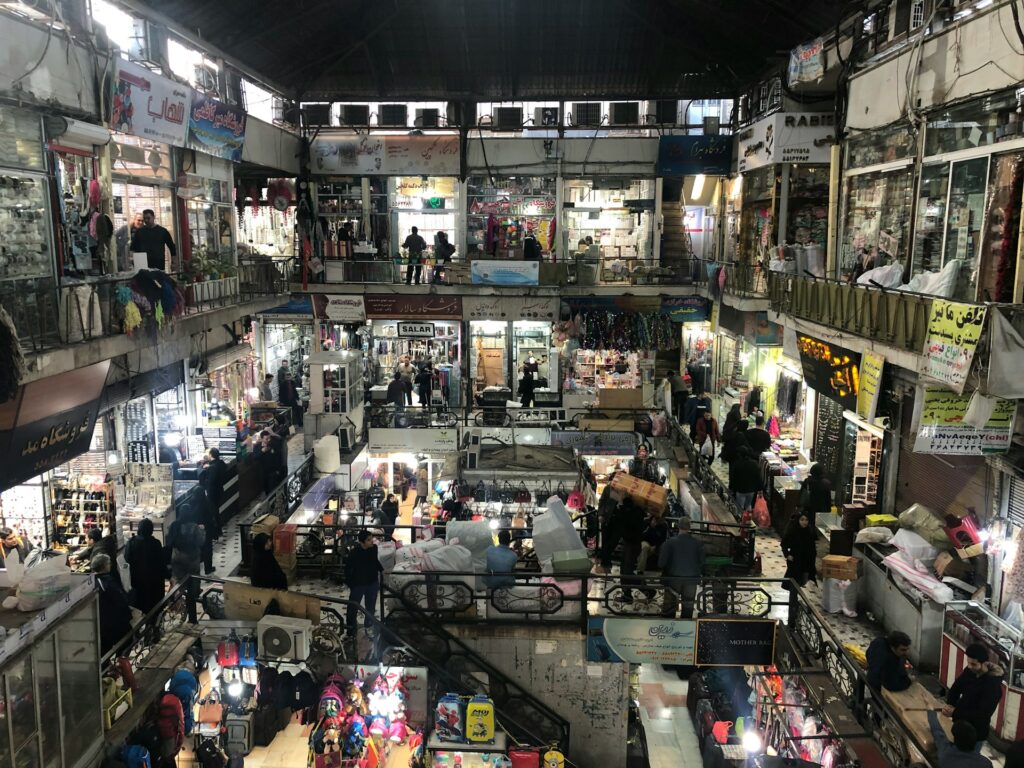
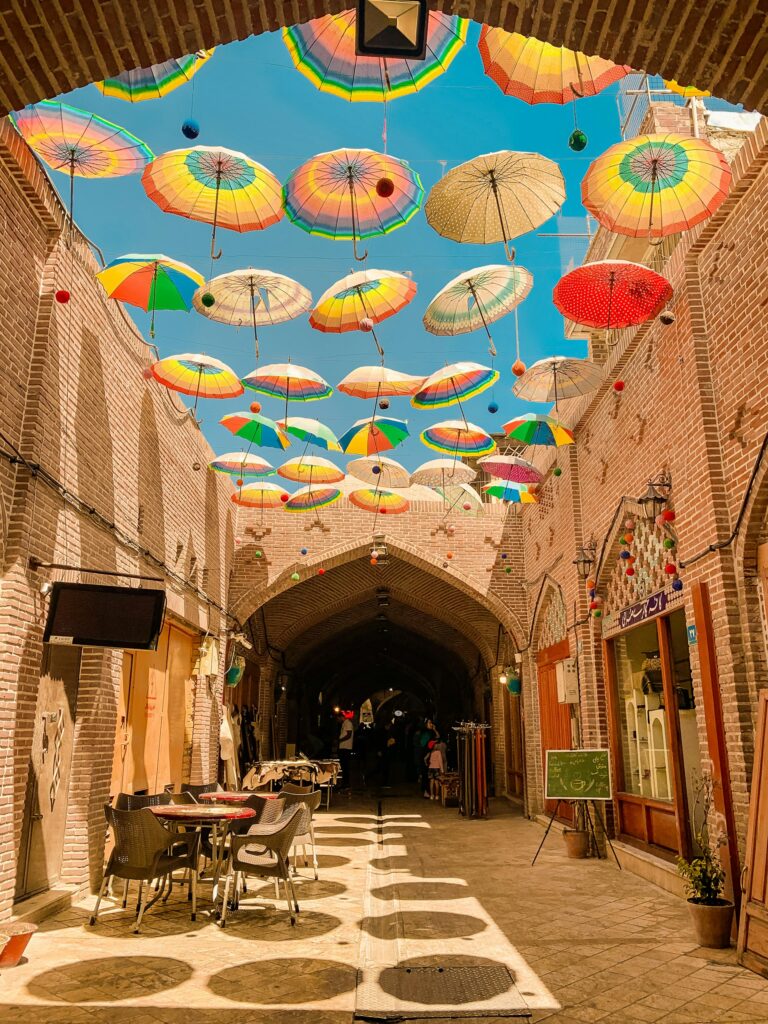
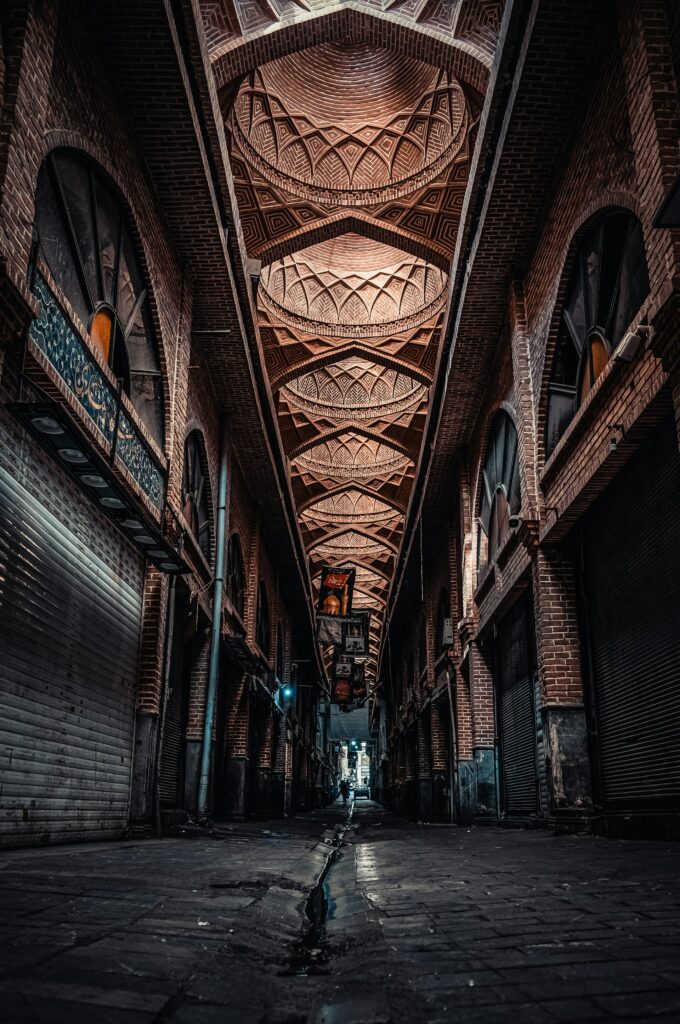
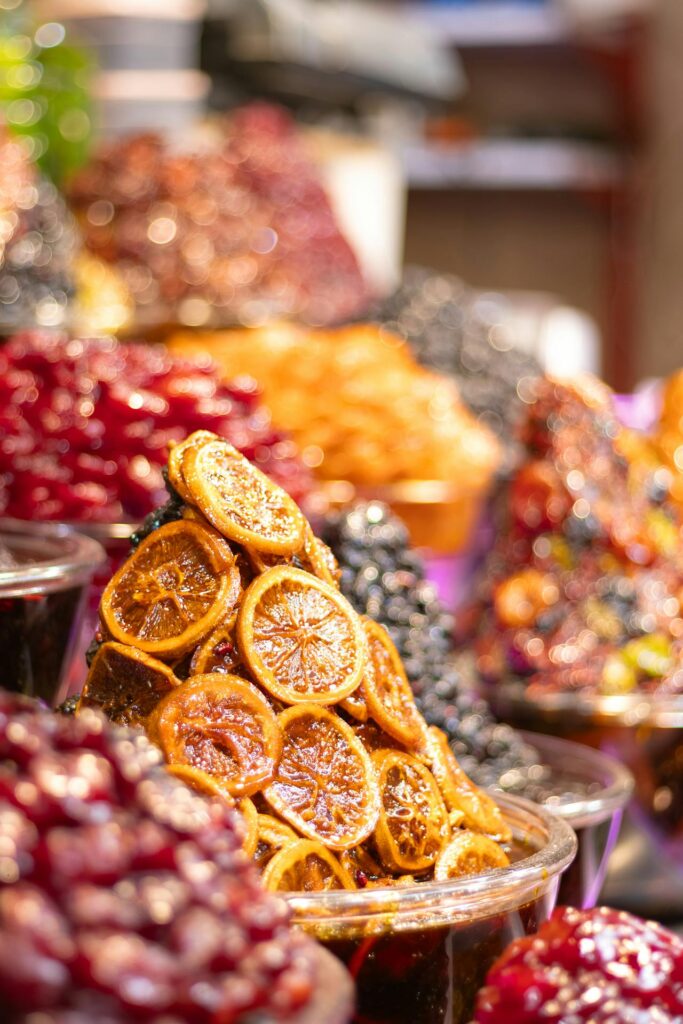
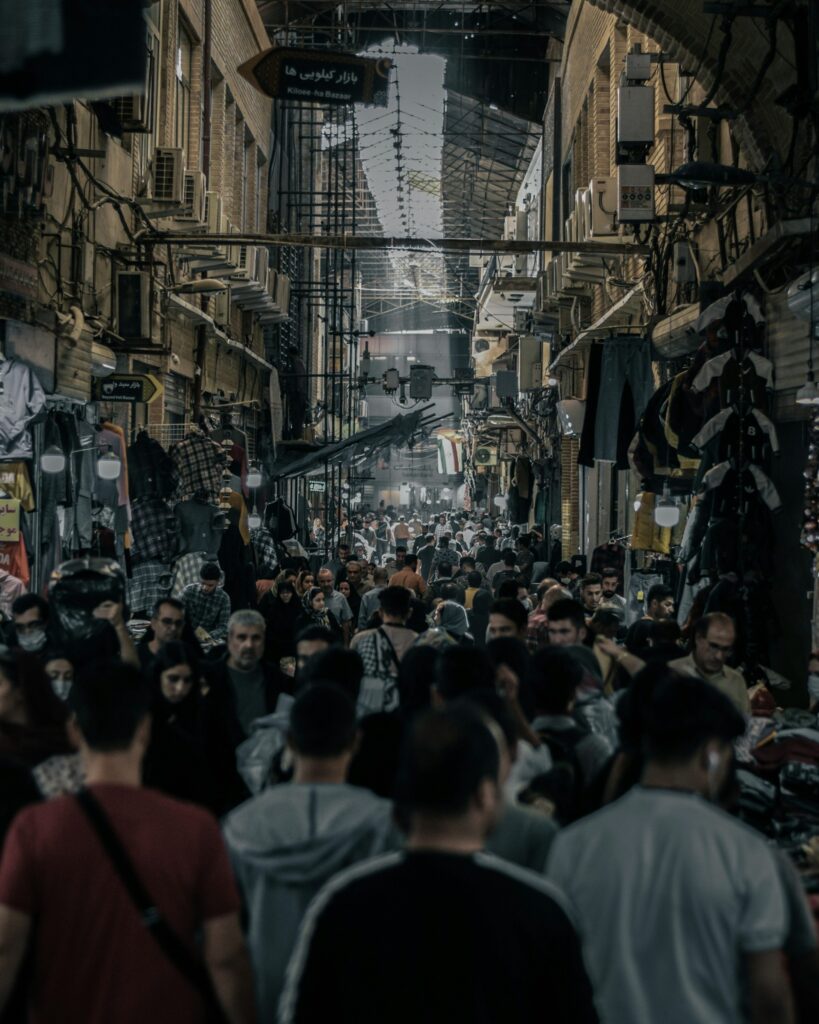
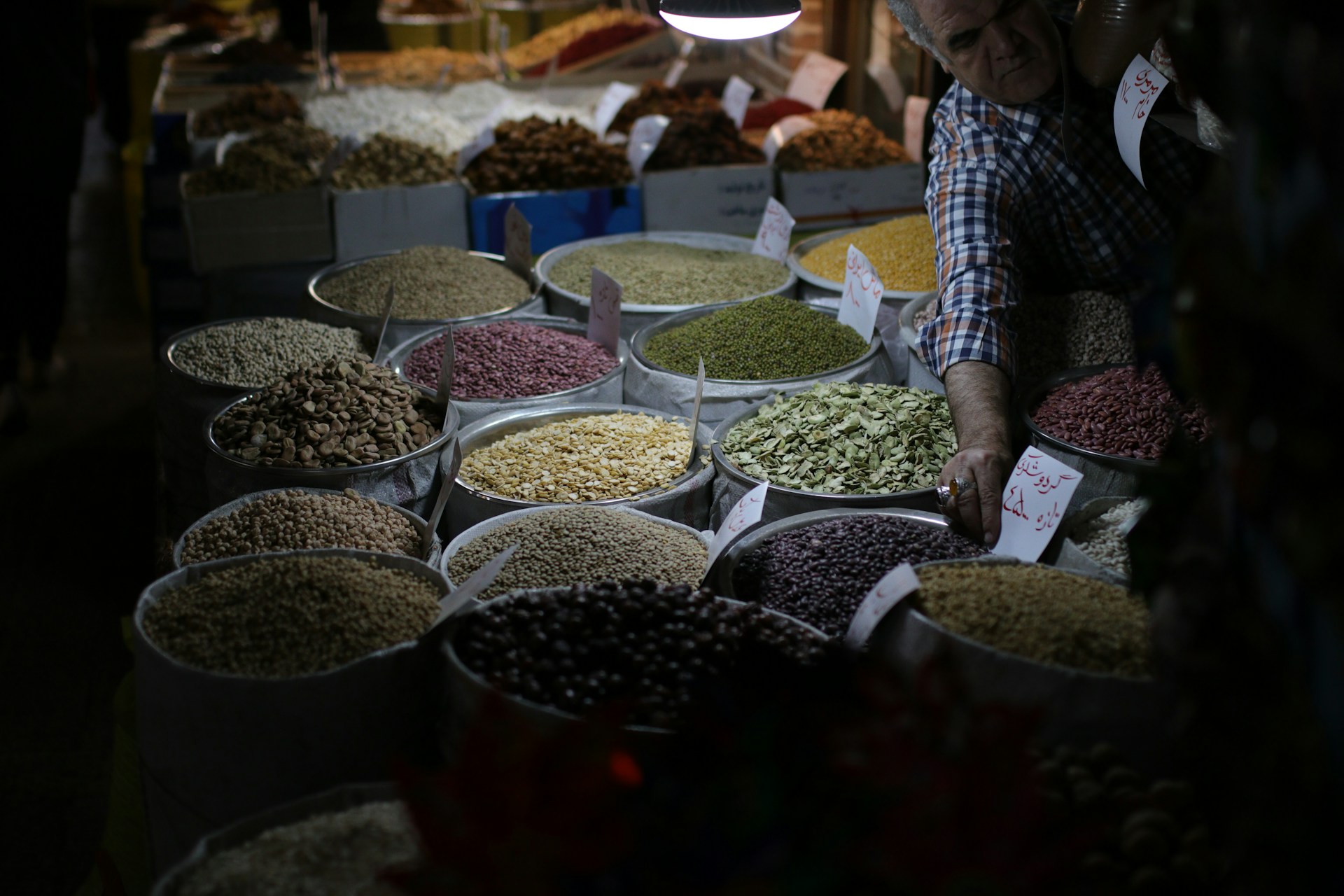
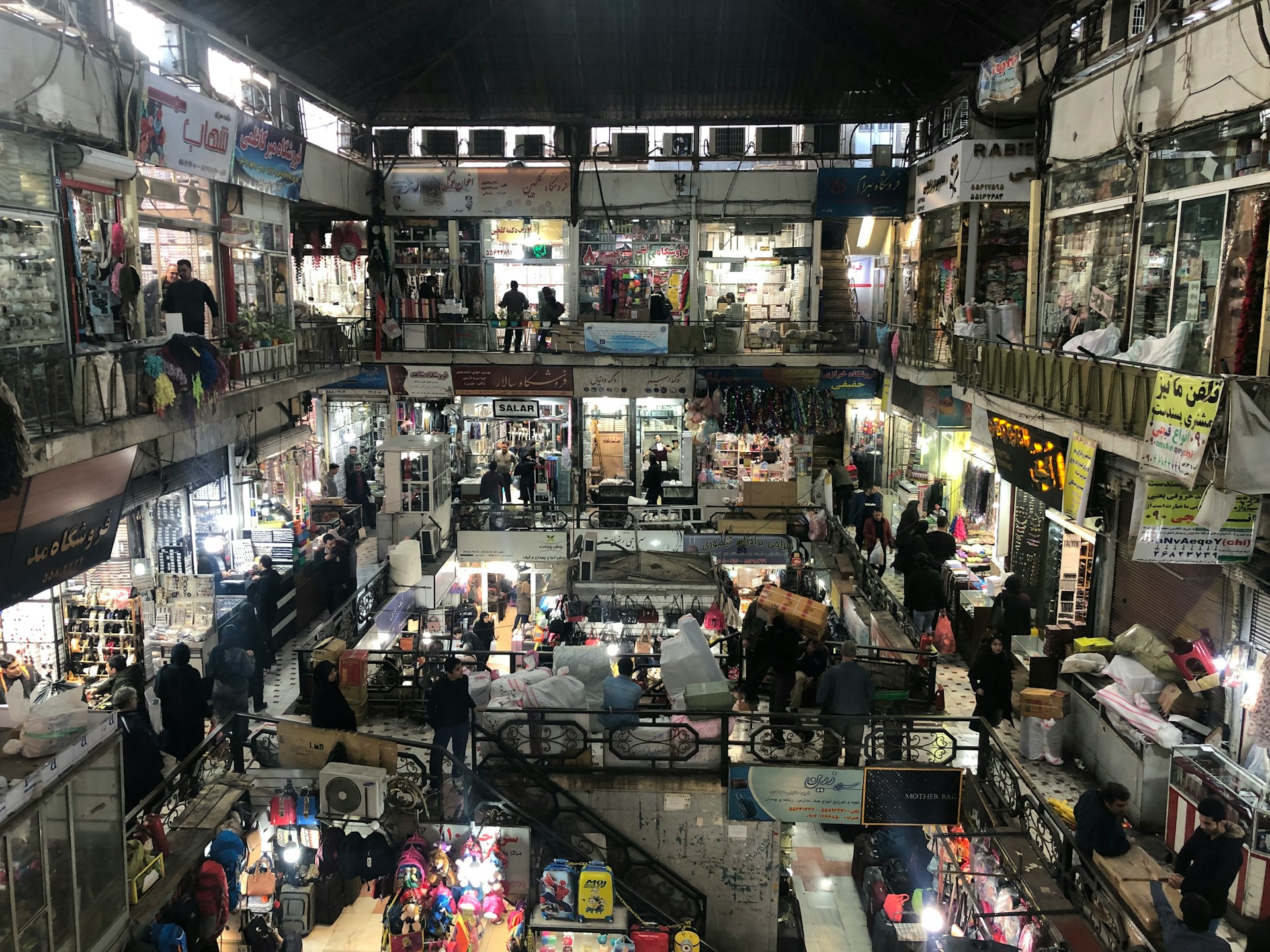
Photos by: Omid Armin, Ilia Afsharpoor, Mahdi Molaee, Max-Jakob Beer, Mohi Sakhaie
WHY YOU SHOULD VISIT
- Experience Tehran at its most authentic and unfiltered
- Explore a living bazaar that still functions for locals, not tourists
- Discover hidden courtyards, caravanserais, and historic layers as you wander
- Understand how commerce, religion, and civic life overlap in Iranian cities
- Feel the rhythm of daily life rather than curated heritage
ABOUT
Tehran Grand Bazaar
History
The Grand Bazaar grew organically alongside Tehran’s rise as a capital, expanding gradually rather than being built according to a single plan. Its structure reflects long-term adaptation: corridors extended, caravanserais inserted, workshops added, and entire trades clustered into specialized sections.
Beyond commerce, the bazaar became a center of social power. Merchants, guilds, and religious figures formed networks that influenced major political moments, including the Constitutional Revolution and later mass mobilizations. Because economic life, religious authority, and public space overlapped here, the bazaar functioned as both marketplace and civic arena.
Rather than fading with modernization, the bazaar remained resilient. While parts of Tehran expanded outward with new commercial centers, the Grand Bazaar continued to operate as a wholesale, retail, and social backbone — proof that its structure was flexible enough to survive changing economic systems.
What Makes It Special
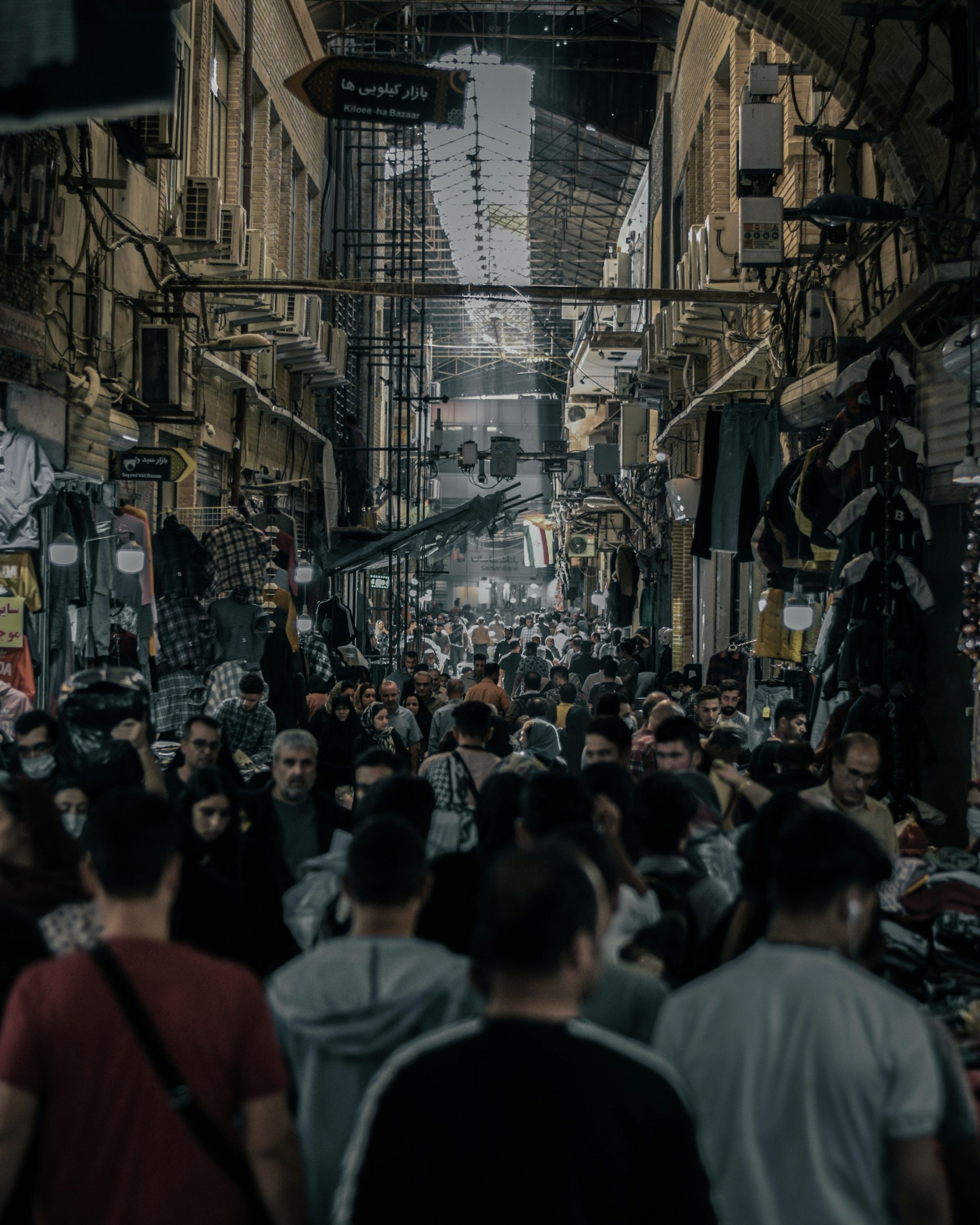
What makes the Tehran Grand Bazaar unique is that it is fully operational. It has not been preserved as heritage and it does not cater primarily to visitors. Goods move, deals are made, prayers are called, and daily routines unfold as they always have.
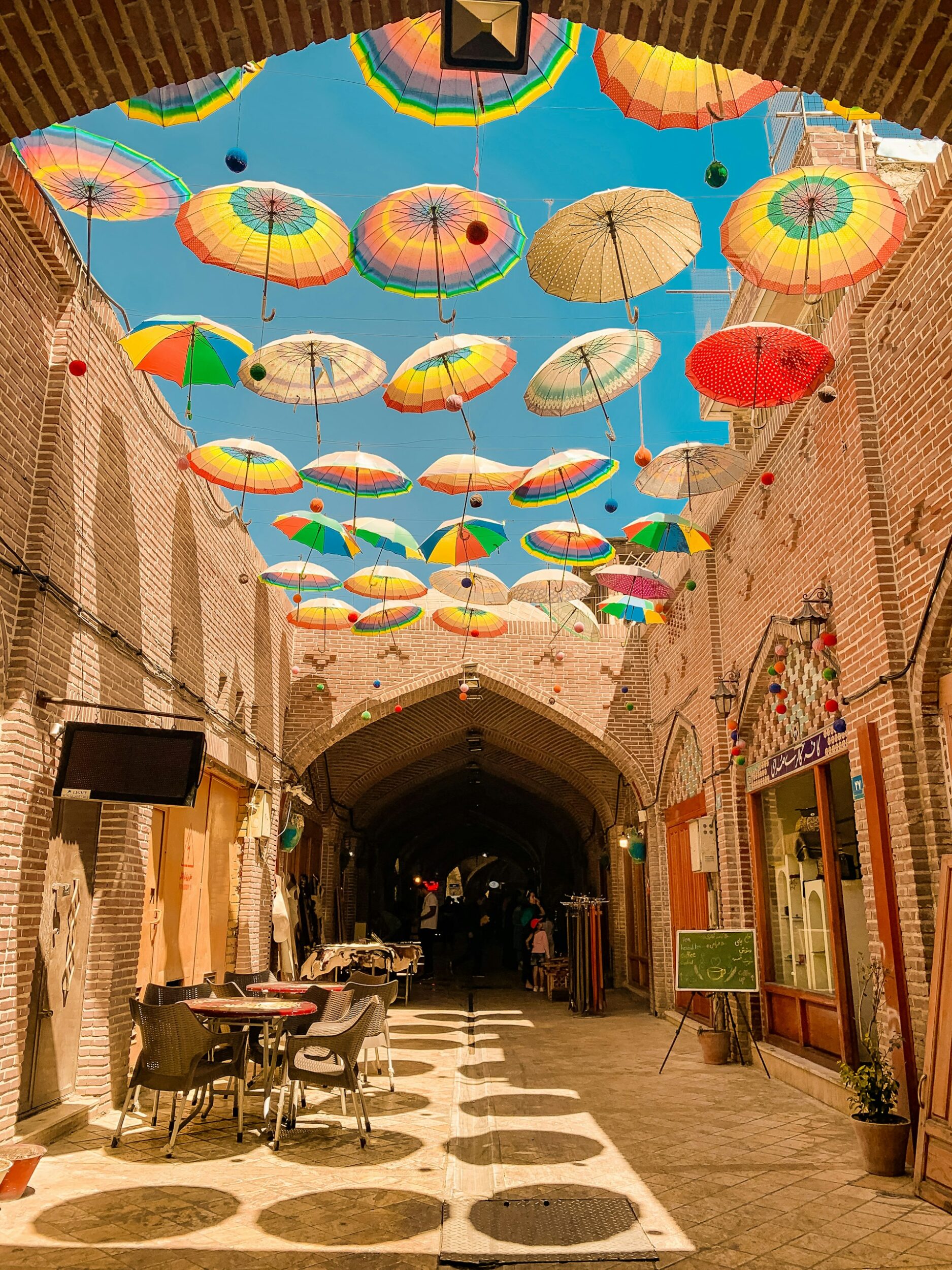
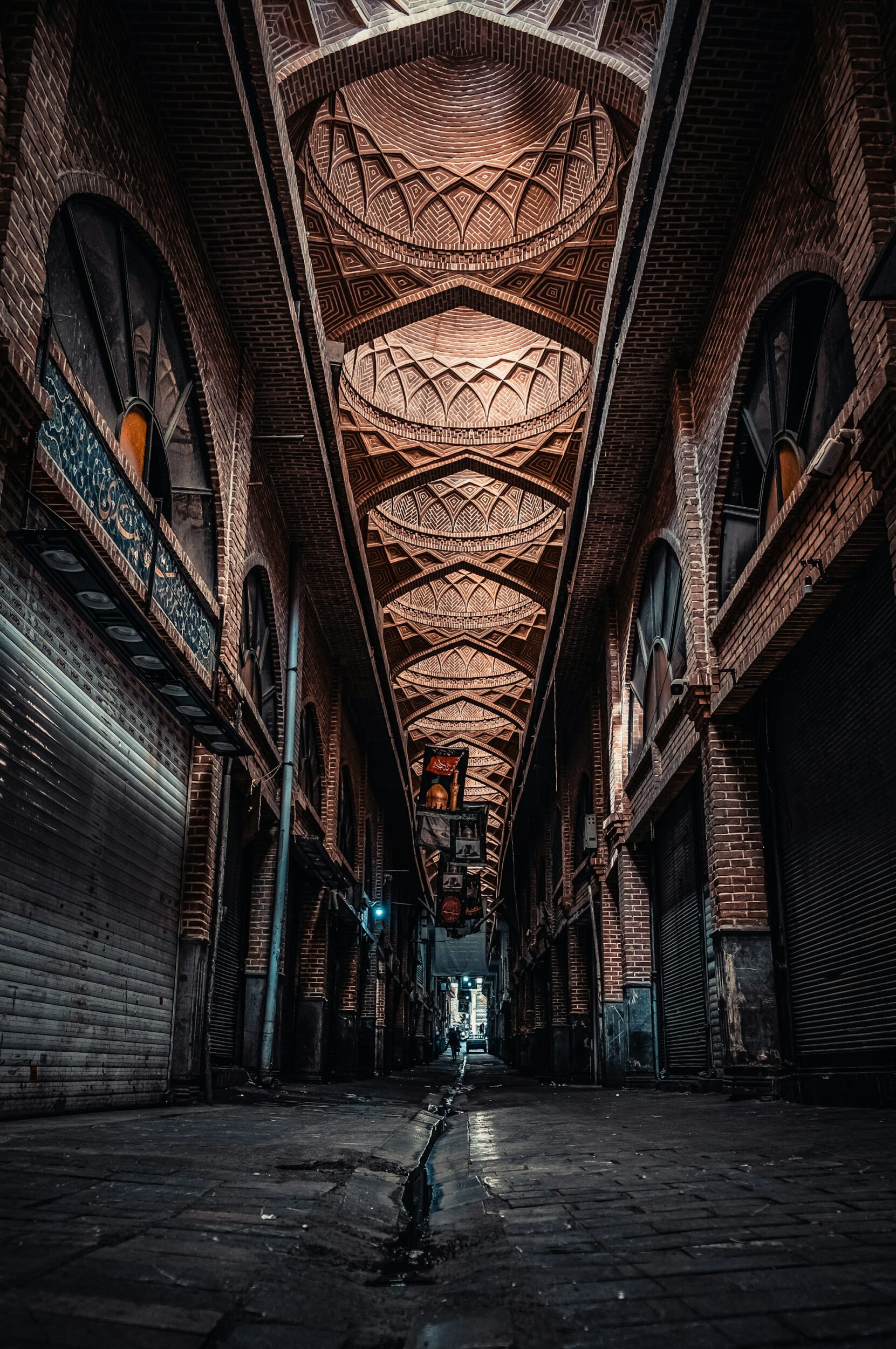
Architecturally, the bazaar is defined by narrow vaulted corridors, brick ceilings, filtered daylight, and sudden openings into courtyards and caravanserais. The experience is rhythmic rather than linear: noise and quiet alternate, density opens into calm, and orientation shifts constantly.
Religious spaces are woven directly into this fabric. The Imam Khomeini Mosque (Old Shah Mosque) sits inside the bazaar itself, embedded among commercial corridors rather than separated into an open square. Nearby, Imamzadeh Zeid functions as a local shrine — another reminder that devotion, commerce, and everyday life coexist rather than compete here.
The bazaar’s true character lies in this integration. It is not just a place to buy things, but a system where economic exchange, social relationships, and spiritual life reinforce one another.
PRACTICAL TIPS
Plan 2–3 hours (more if you like to wander)
Best time: Morning to early afternoon on weekdays
Avoid Fridays and public holidays for your first visit (crowds can be intense)
Dress modestly, especially near mosques and shrines inside the bazaar
Photography can be sensitive in religious spaces; observe and ask when unsure
Closest metro stations: 15 Khordad or Imam Khomeini
Get lost deliberately, but note exits or landmarks to avoid disorientation