Cycling in Iran

Travel Iran with your dog

Iran is one of the most welcoming countries in the world for bicycle touring. Cyclists praise the friendly locals, dramatic landscapes, and overall positive experiences. While terrain, weather, and long distances can be demanding, Iran’s hospitality and natural diversity make Iran an outstanding destination for long-distance cycling.

Site Content

Safety
Weather and Terrain
Transporting your Bicycle
Clothing for Cycling
Solo Women Cycling
Camping
Gear and Mechanics

Safety

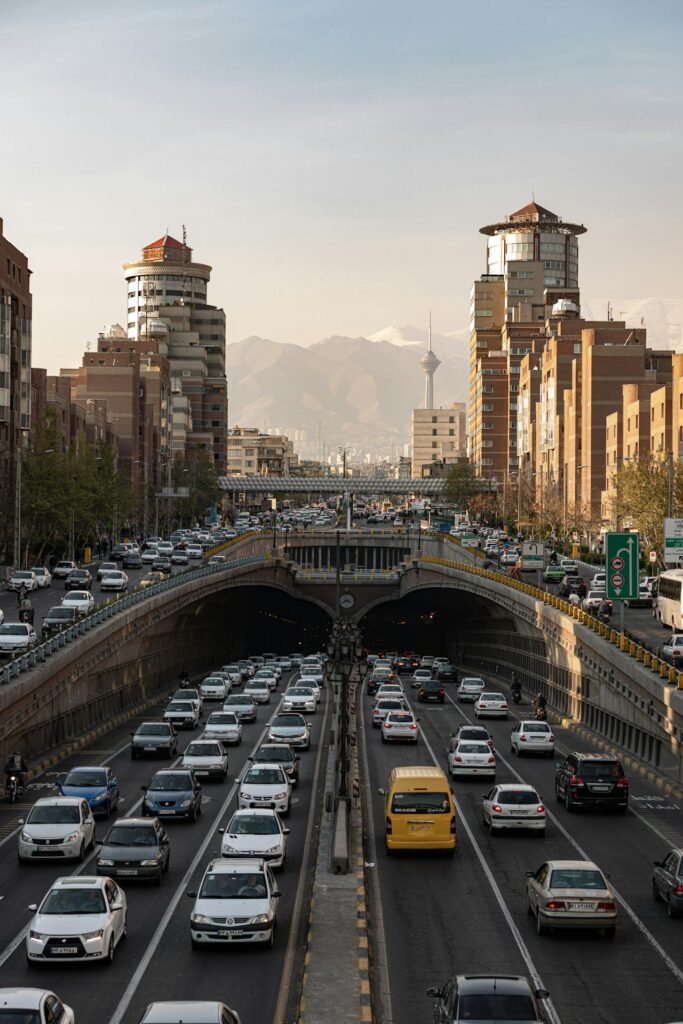
Road Safety. The biggest risk of cycling in Iran is it’s traffic. Iran has an extensive network of paved roads, allowing cyclists to reach even remote regions. Highways often provide the most direct connection between major cities, and while cycling on them is legal, traffic is fast, shoulders are narrow, and drivers are not accustomed to sharing the road. Dedicated bike lanes do not exist. Traffic in large cities can be dangerous for cyclists.

Other Safety Considerations

  • Manage heat carefully by riding early in the morning or late in the afternoon, especially in warmer months. Carry more water than you expect to need; refill at every opportunity, particularly before long desert stretches.
  • Prefer secondary and rural roads over main highways to avoid fast traffic and strong wind turbulence from trucks.
  • Use high-visibility clothing and proper front and rear lights; many roads are poorly lit at dusk or in smaller towns. Avoid cycling after dark. 
  • Keep your bike and valuables safe. Don’t leave your bike unattended for longer periods of time. Take important documents and valuables with you. Secure your bike properly and take it inside secure buildings overnight.
  • Carry essential spares such as tubes, a patch kit, pump, multi-tool, and basic first-aid supplies.
  • Use offline maps or GPS to navigate; mobile coverage is good on main routes but patchy in remote areas. Inform yourself about weather and road conditions beforehand.
  • Dress modestly — women must wear a headscarf and long top even while riding.
  • Trust your instincts when interacting with strangers; accept offers of help selectively and politely decline if unsure.
  • Area to avoid: South of Zahedan in Sistan and Baluchistan. The concern is not hostility toward foreigners, but the dangerous traffic on mountain roads, where high-speed pickup trucks transport smuggled fuel.

Weather and Terrain

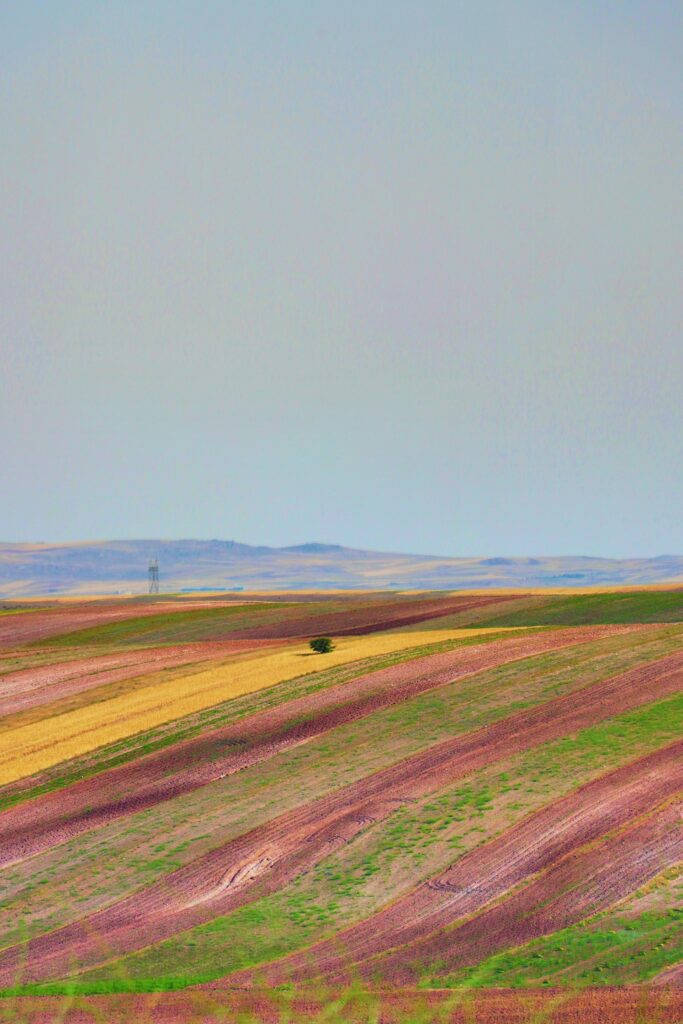
Iran’s vast geography makes year-round cycling possible if you choose the right season for each region. Spring and autumn offer the most comfortable conditions overall, while summers are good for the mountains in the West/North-West and winters favor the Persian Gulf.

  • Cool Mountain Belt. Best months: April–October.
    Ideal for warm-season cycling: cool temperatures, long climbs, and dramatic high-altitude scenery. Summers stay mild, while spring and autumn are pleasant and stable. Winters are snowy and mostly unsuitable.
  • Caspian Green Belt. Best months: April–June, September–November.
    Humid, forested and hilly terrain with shaded routes and lush coastal roads. Spring and autumn are most comfortable; summers are humid but manageable, and winter is mild but can be rainy. 
  • Moderate Plateau Core. Best months: March–May, September–November.
    Classic touring country with dry air, open views and long steady gradients. Spring and autumn offer ideal temperatures; summer is very hot and winter brings cold mornings and nights.
  • Persian Gulf Belt. Best months: December–March.
    The best winter-cycling region: warm, dry and sunny from December to March. Summer is dangerously hot, mid-day temperatures are high during spring and autumn. Terrain mixes flat coast lines and beaches, rolling plains and island circuits.

Transporting your Bicycle

The sheer amount of places to visit, and the long, busy highways between them, make Iran a common destination for cyclists to hitch a ride from time to time. Essentially there are two ways to transport your bike: truck or bus. 

  • Hitching a ride with a truck or van. Rest stops or gas stations along highways may be a good place to find a ride. Read more on Hitchhiking in Iran.
  • Buses are the most reliable way to move a bicycle long distances. Show up early and in person at the bus station to negotiate the transport of your bicycle before buying a ticket. Usually you can find an agreement with drivers to store your bike in the luggage storage for an additional fee. Read more on public transportation in Iran.
  • Transporting bicycles by train is not recommended. Acceptance is rare and depends on the train manager. Sending bikes on a separate cargo train is possible but unnecessarily complex. This makes train travel unpredictable for cyclists.
  • All ferries in Iran will be able to transport your bicycle, from major Roll-on/roll-off (RORO) ferries like the one operating between Pol and Laft (Qeshm island) to small boats like the one going to Hengam. Expect to pay an additional fee directly to the captain. Read more on ferries in Iran.

Clothing for Cycling

The same general rules for clothing apply when cycling. Men should wear pants that cover the knee, in conservative regions, especially the south and southeast, long trousers are recommended. Short sleeves are ok for men. It is recommended to wear wide clothes, not the typical body tight cycling shorts.

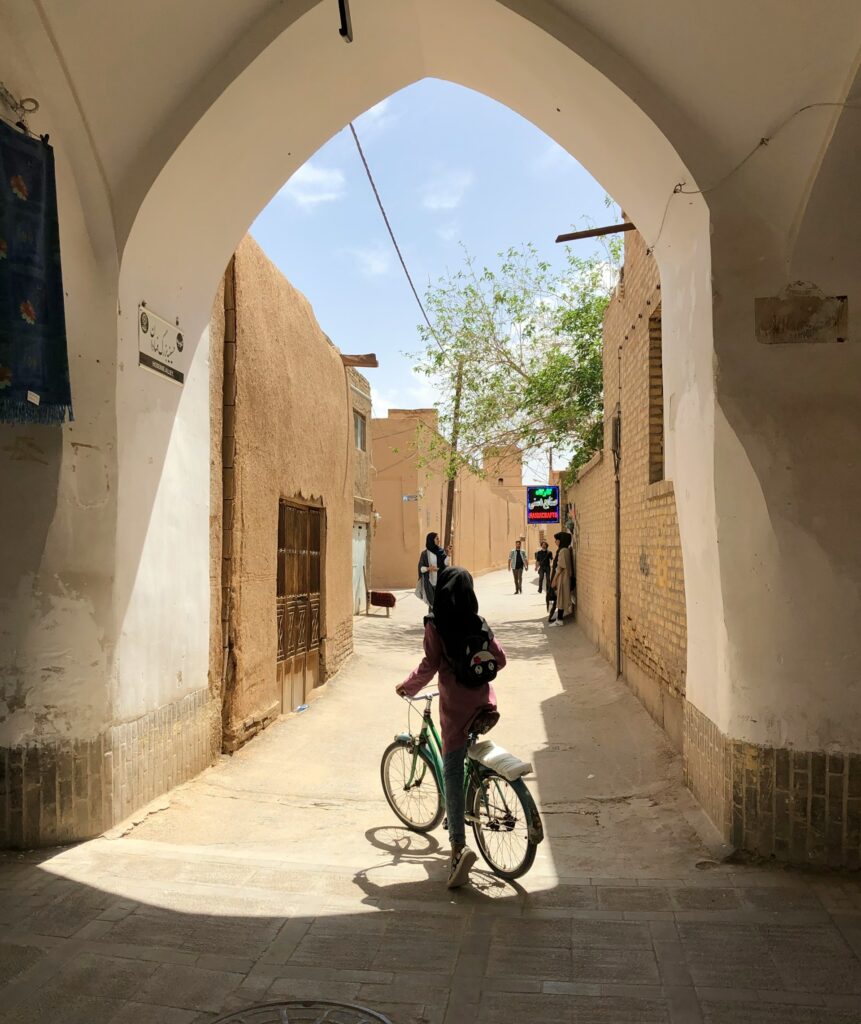
For women, the rules are more strict. Loose clothing that cover arms and legs are expected, especially in cities or villages. In addition, the head should be covered. A light buff, bandana, or sports scarf worn under the helmet is fine. 

Sandals without socks are acceptable for both men and women. High-visibility clothing and proper lighting are important due to long, unlit stretches of road. Read more about what to wear here.

Solo Women Cycling

Solo women have successfully cycled across Iran but must follow dress codes and be prepared for additional scrutiny. When dealing with authorities, rest assured that foreign women are free to cycle Iran, just like men. Unfortunately, albeit rare, be prepared to experience harassment. Trust your gut instincts, it is better to be safe than sorry. 

While you may experience social stigma in rural, conservative regions, most Iranians will admire you for cycling on your own. Hospitality is frequent, but women should selectively accept invitations, prioritizing families and women. Read more on traveling as a solo woman.

Camping

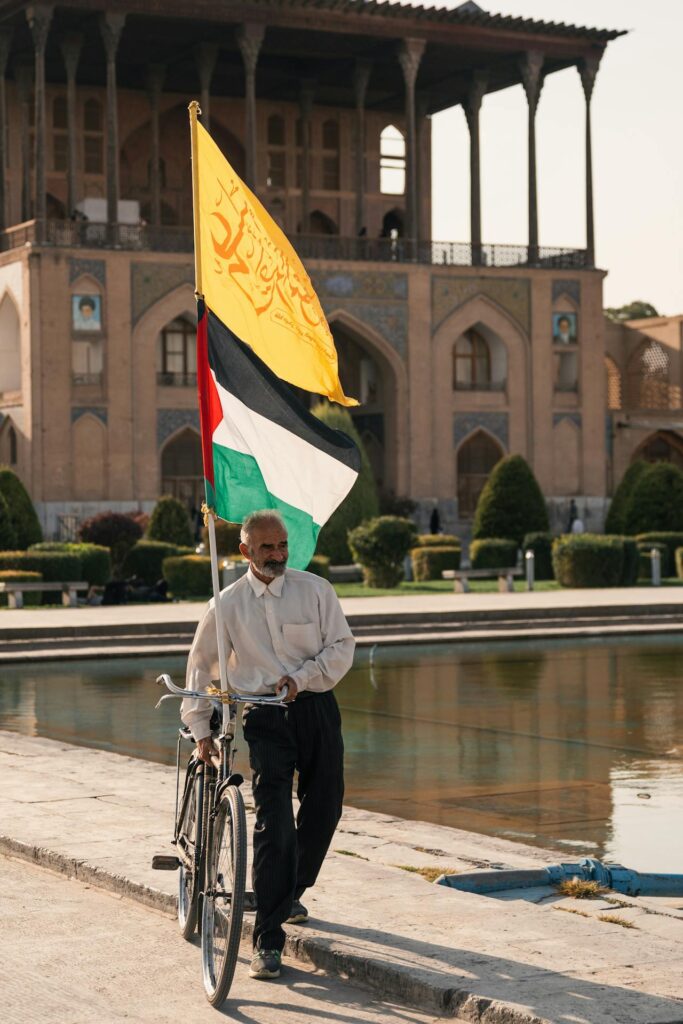
Wild camping is legal and widely tolerated. Cyclists often camp along roads, roadside picnic areas or gas stations for access to electricity or a shower. Certainly camping in the wild, away from the street and curious eyes is also possible almost anywhere in the country. I recommend to not camp close to large cities. The main rule is: stay far away from border zones or any other security infrastructure

Red Crescent stations can be found all over the country and are known to host cyclists. Sometimes mosques or shrines also allow foreign cyclists to stay overnight. Read more about camping in Iran here.

Gear and Mechanics

Choose bicycles with common wheel sizes (such as 26” or 28”) to ensure availability of tubes and tires. Carry multiple spare tubes, patch kits, and essential tools, as distances between towns can be long. Bicycle mechanics are not very common, recommendations can be found on iOverlander.

Read more Transportation Guides