
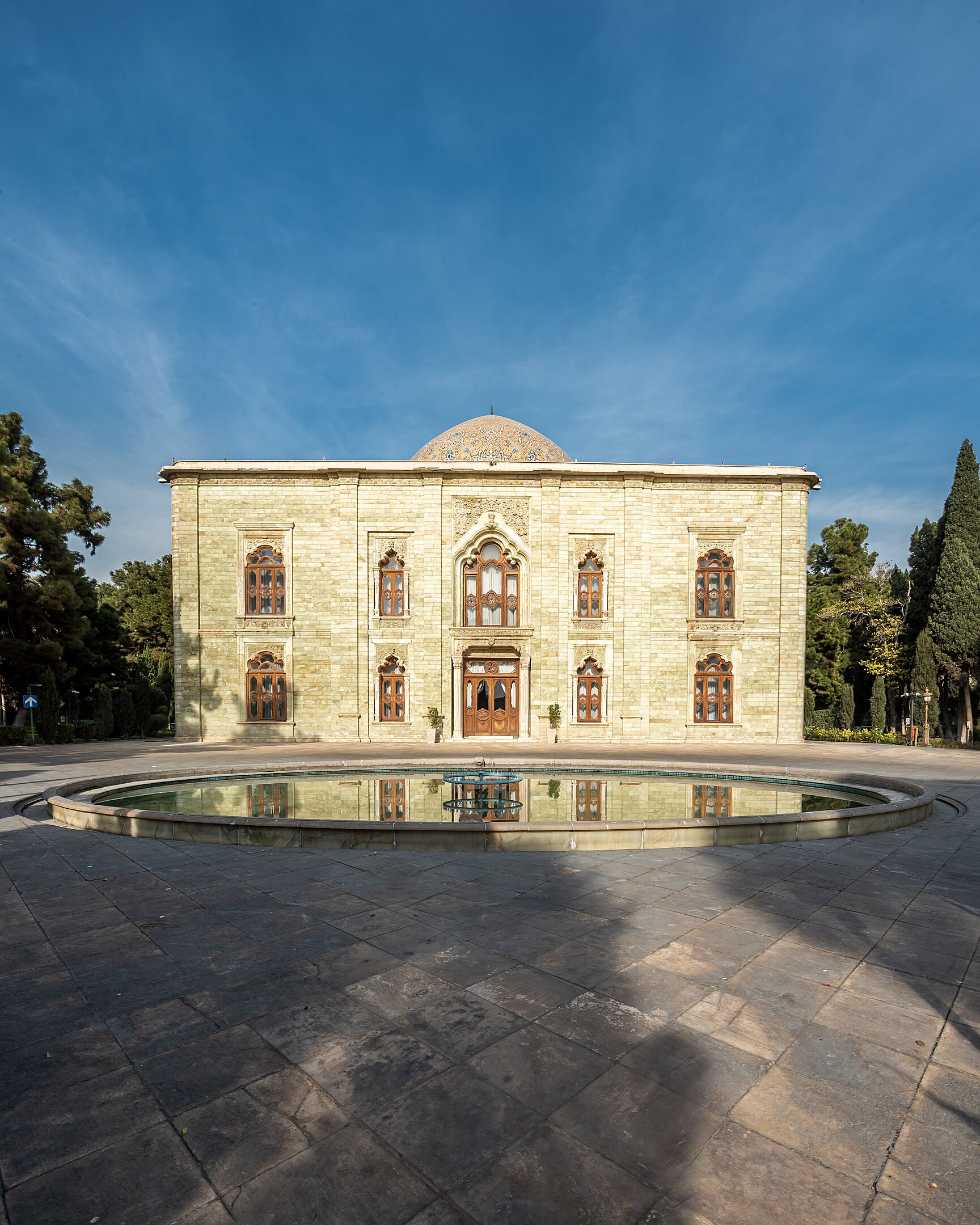
Hidden behind walls in central Tehran, Marmar Palace (Palace of Marble) is one of the city’s most enigmatic royal buildings. Unlike palace complexes designed for leisure or retreat, Marmar was conceived as a seat of state power — formal, controlled, and symbolic. More than a residence, it was a stage for authority, ceremony, and political presence.
WHY YOU SHOULD VISIT
- See a palace built specifically as a seat of political power
- Experience a rare secular domed palace in Iranian architecture
- Observe the fusion of Iranian craftsmanship and European formal design
- Visit one of Tehran’s most historically restricted royal buildings
ABOUT
History
Marmar Palace was built in the 1930s as an official residence and ceremonial palace during the early Pahlavi period. Its central location reflected a new political vision: power was no longer distant or seasonal, but firmly anchored in the administrative heart of Tehran.
In 1965, the palace became the site of a major assassination attempt against the Shah. The attacker was a member of the Imperial Guard, a fact that shocked the state and revealed how deeply political tension had penetrated institutions meant to protect authority. Political violence was not uncommon in this era, shaped by ideological conflict, repression, and the unresolved aftermath of the 1953 coup. Marmar was targeted precisely because it was a predictable ceremonial space where the Shah appeared publicly and regularly.
Following the failed attack, security tightened dramatically. Marmar shifted from visible authority to guarded institution, and access became increasingly restricted. After 1979, the palace entered a long period of closure and repurposing. Only in recent years has it reopened as a museum, offering rare access to a building long defined by power and exclusion.
What Makes It Special
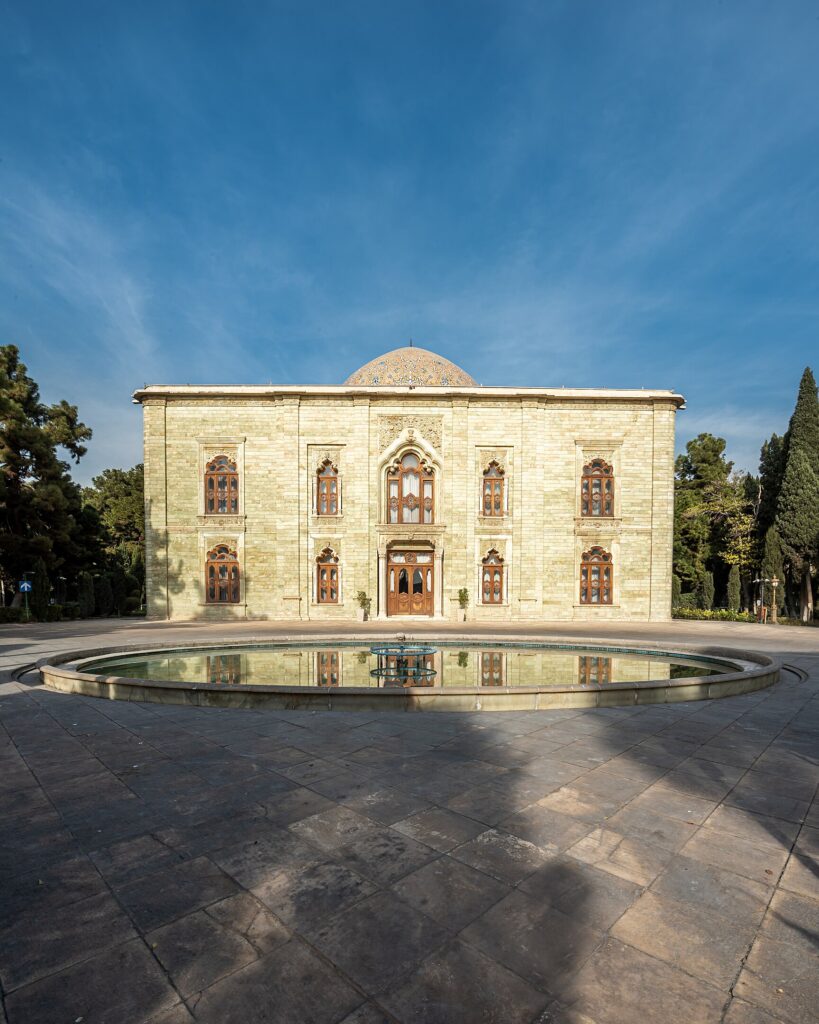
Marmar Palace stands out through architecture, symbolism, and atmosphere. Designed as a formal state palace rather than a retreat, it communicates authority through symmetry, material choice, and restraint.
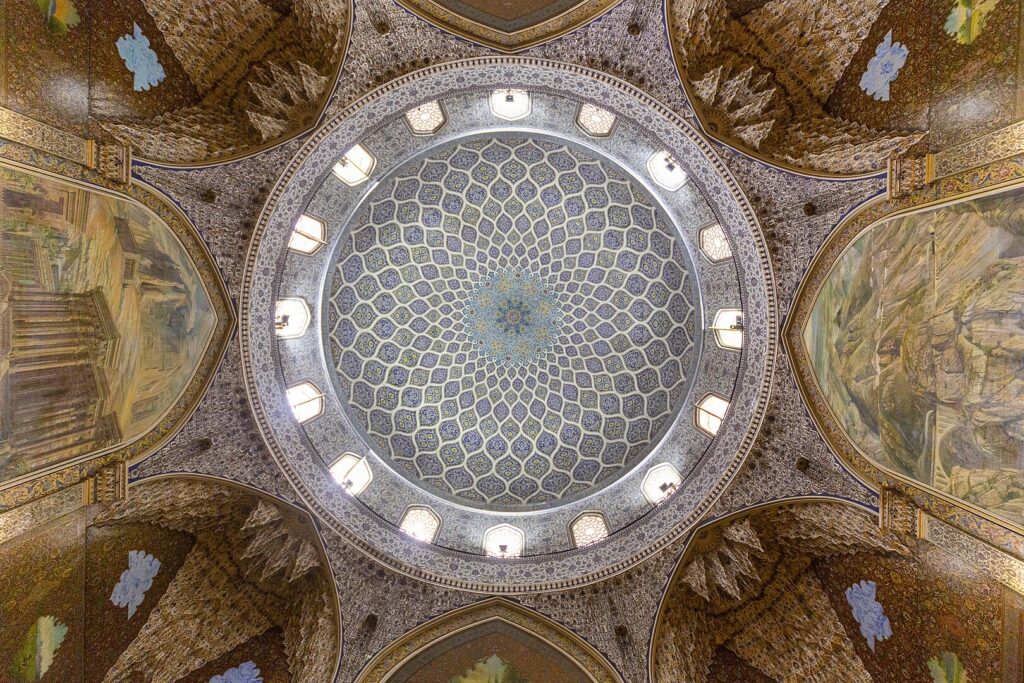
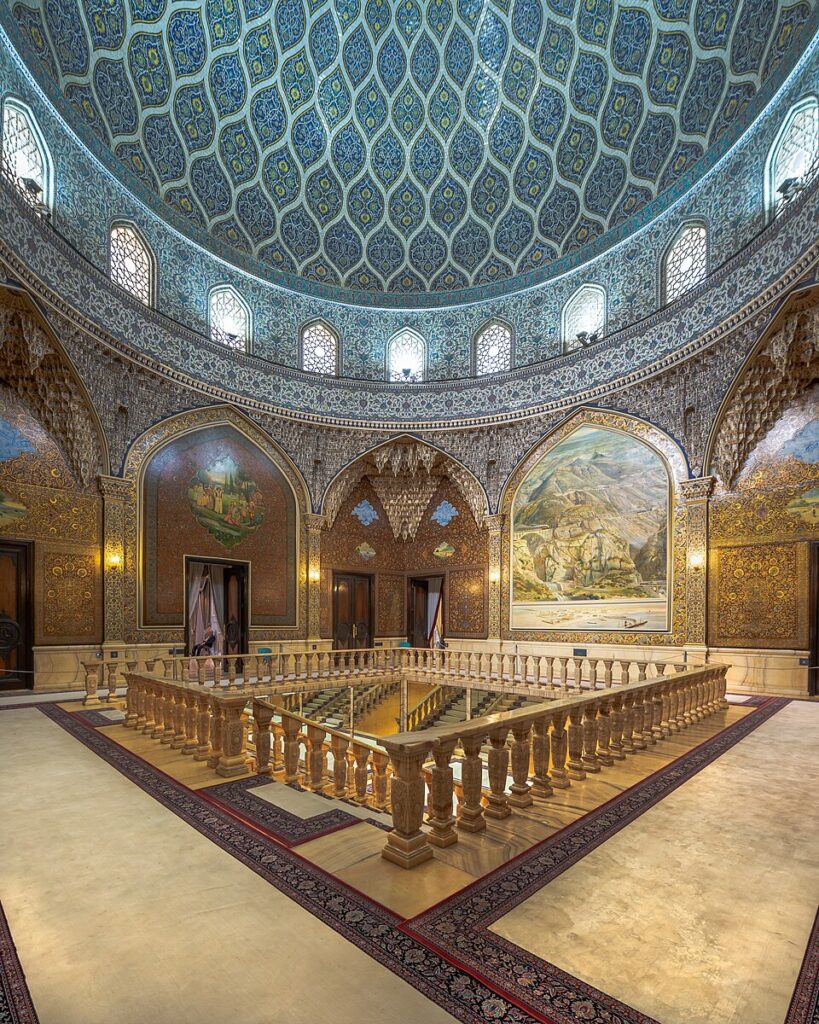
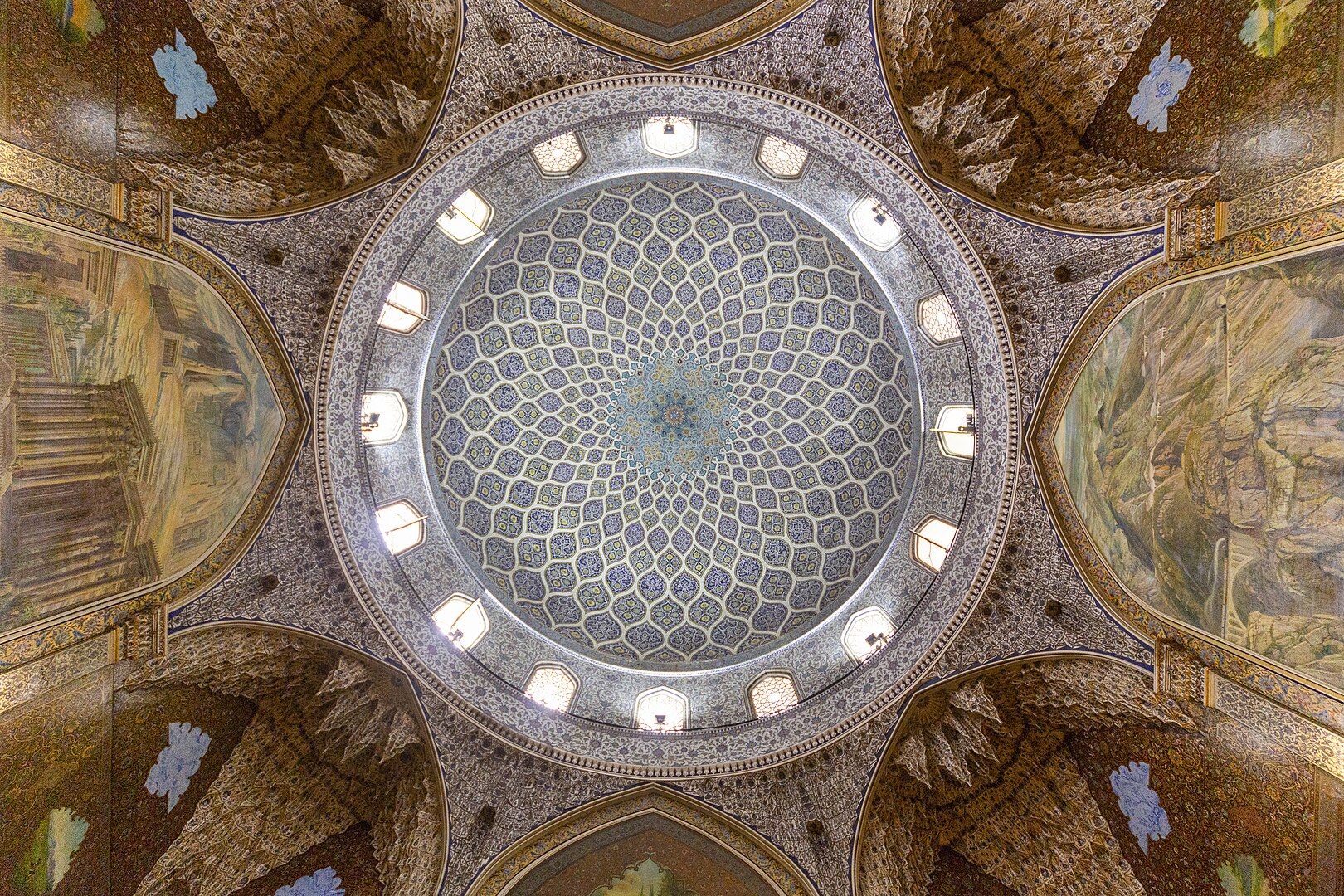
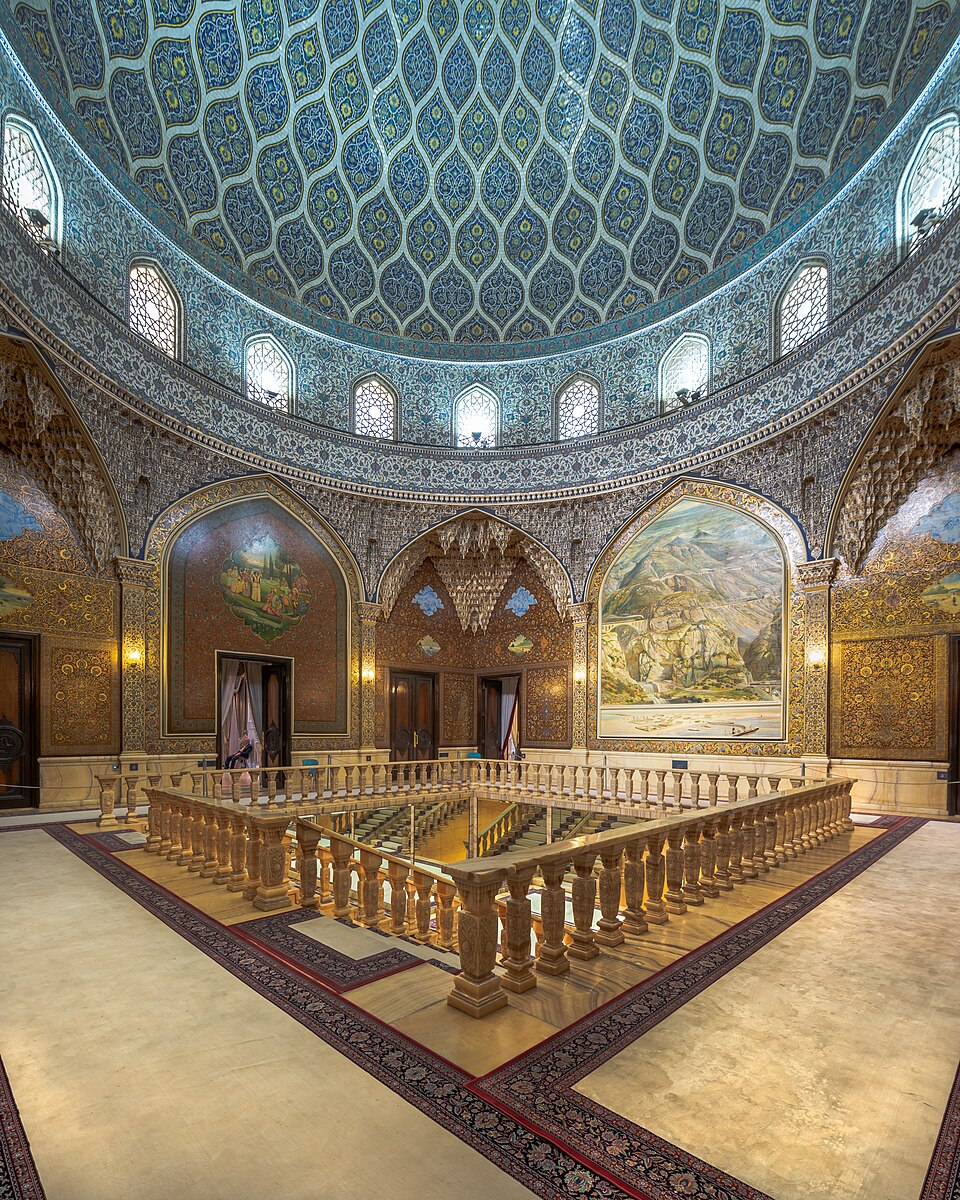
One of its defining architectural features is the central dome, which crowns the main ceremonial space. Unlike religious domes intended to evoke spirituality, Marmar’s dome is secular and symbolic — a statement of authority rather than devotion. It draws on classical Persian architectural language while being embedded within a European-influenced palace layout, reinforcing the deliberate fusion of heritage and modern state identity.
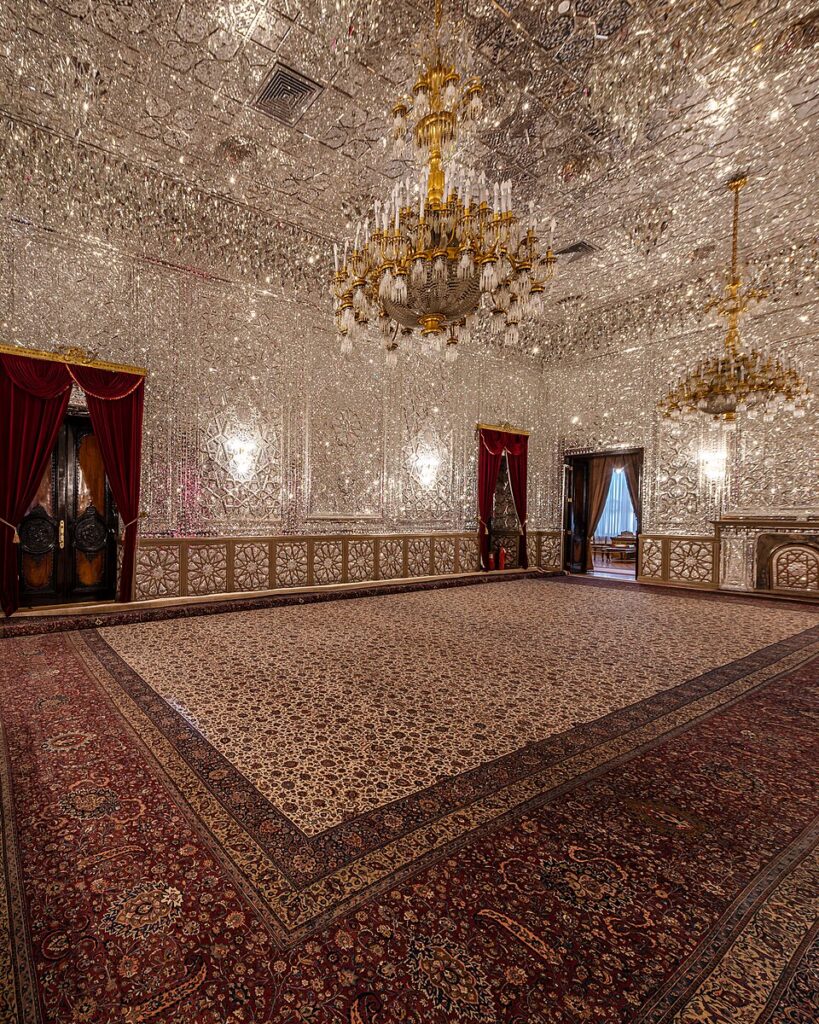
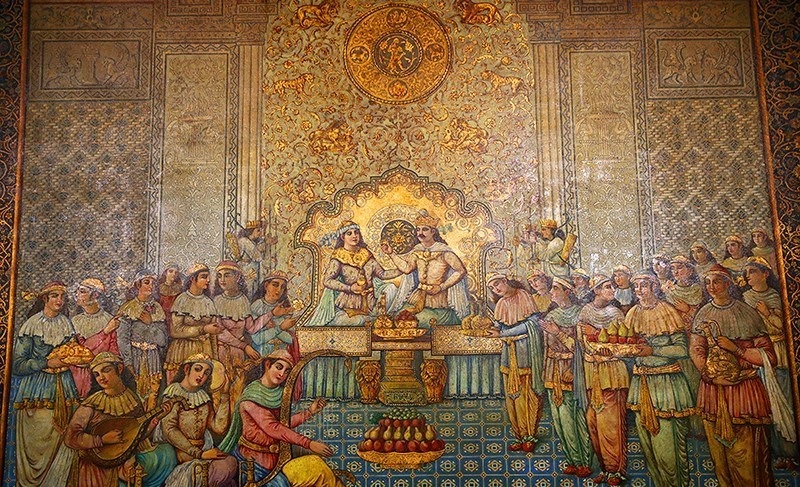
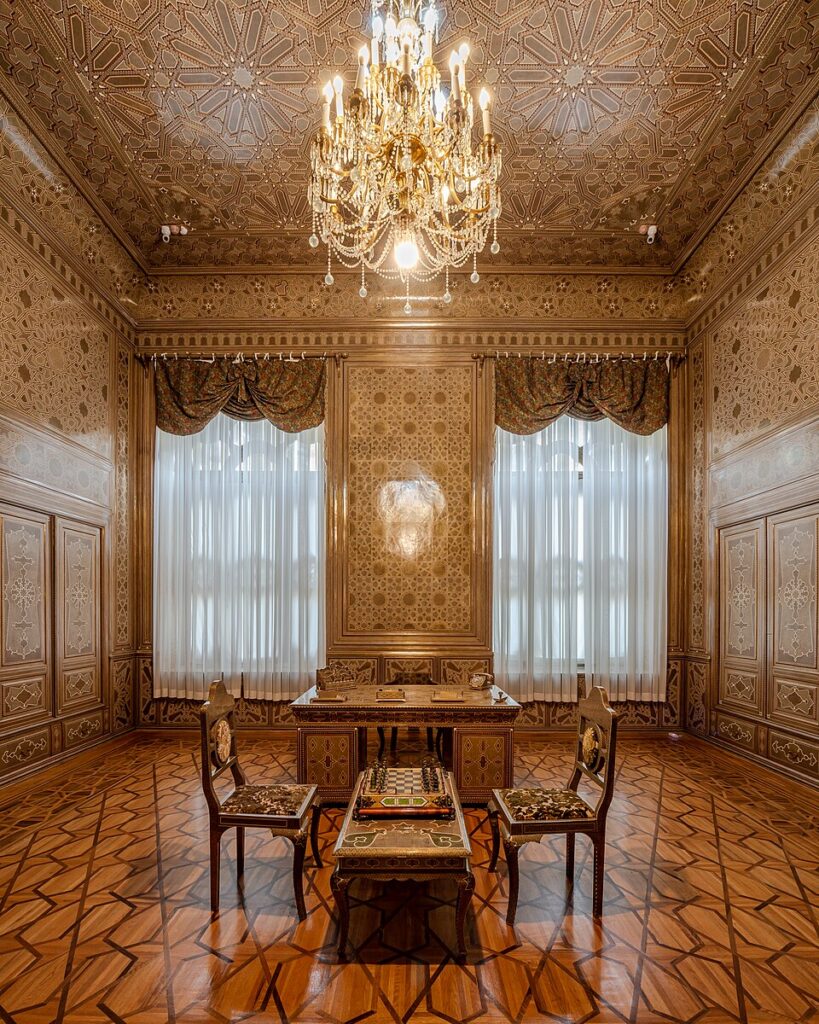
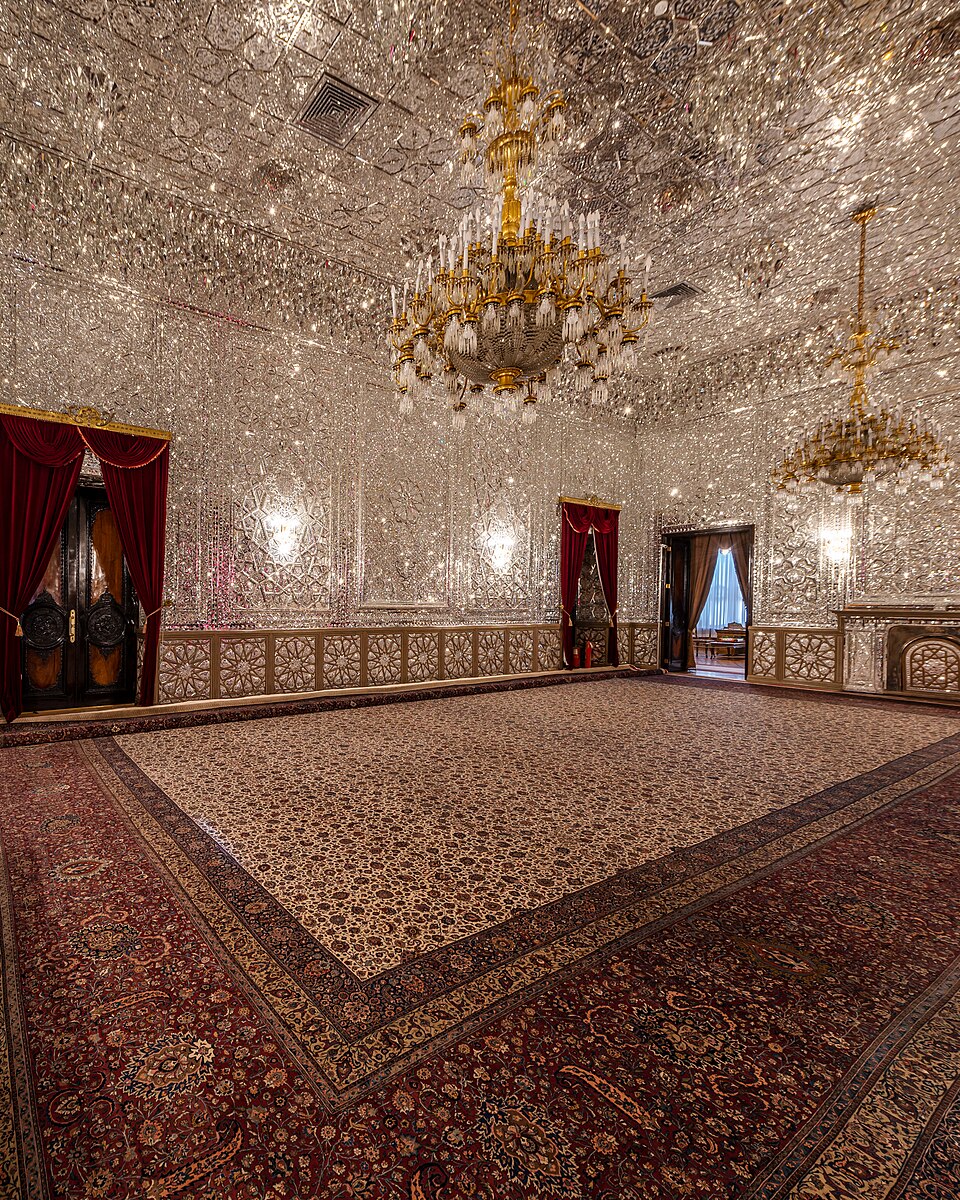
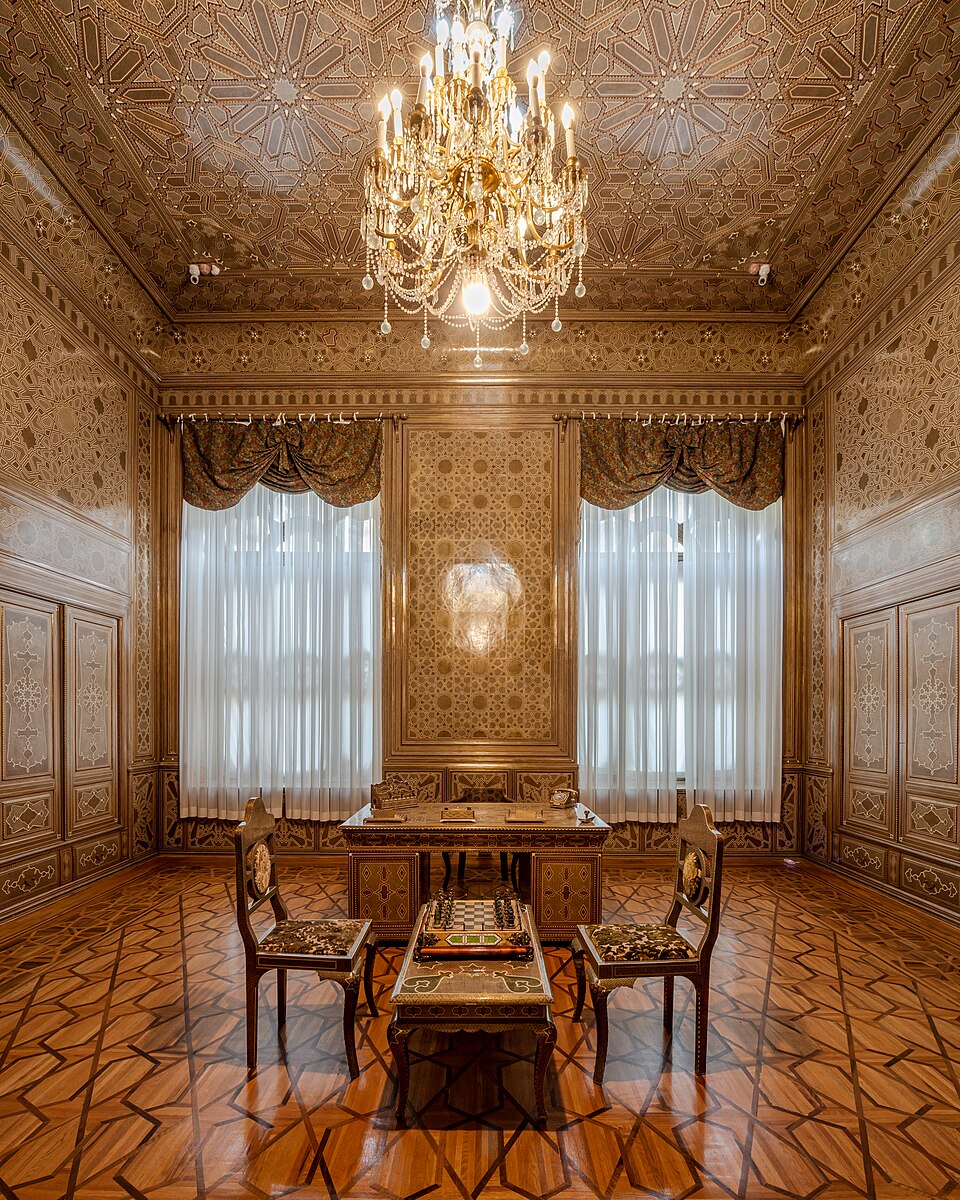
This dialogue continues throughout the building. The extensive use of marble — from which the palace takes its name — gives the architecture weight and permanence. Traditional Iranian craftsmanship appears in stucco work, mirror decoration, and ornamental details, while European planning principles shape the building’s axial layouts and formal spatial hierarchy.
Marmar’s significance lies not only in its design, but in its role as a controlled space of power. Its long absence from public access adds another layer: the palace is remembered less through everyday familiarity and more through secrecy and distance, making a visit today feel like entry into a once-closed political world.
PRACTICAL TIPS
- Plan 45–90 minutes
- Check opening days carefully, as access has historically been limited
- Closest station: Imam Ali University (Line 3)
- Best time: Early in the day