
At the northern edge of Tehran, Tajrish Bazaar and the Emamzadeh Saleh Shrine form one of the city’s most vibrant and meaningful combinations. Here, daily commerce and spiritual life exist side by side, creating a place that feels deeply local and alive. More than a sightseeing stop, Tajrish is where Tehran’s rhythms are easiest to feel — through food, conversation, movement, and moments of quiet in the shrine courtyard.
Photos by: Micha Höfer, Amir Hossein Daraie, mdreza jalali
Tajrish Bazaar & Emamzadeh Saleh
HISTORY
Tajrish developed historically as a village at the foothills of the Alborz Mountains, long before it became part of modern Tehran. Its location along mountain routes made it a natural gathering point for trade, travel, and settlement. As Tehran expanded northward in the 20th century, Tajrish retained its identity as a neighborhood center rather than dissolving into the city.
Emamzadeh Saleh became the spiritual heart of the area, shaping the growth of the surrounding bazaar over time. The market developed organically around the shrine, serving both pilgrims and local residents. This close relationship between sacred space and marketplace defined Tajrish as a place where religion, economy, and everyday life remain tightly interwoven.
WHAT MAKES IT SPECIAL
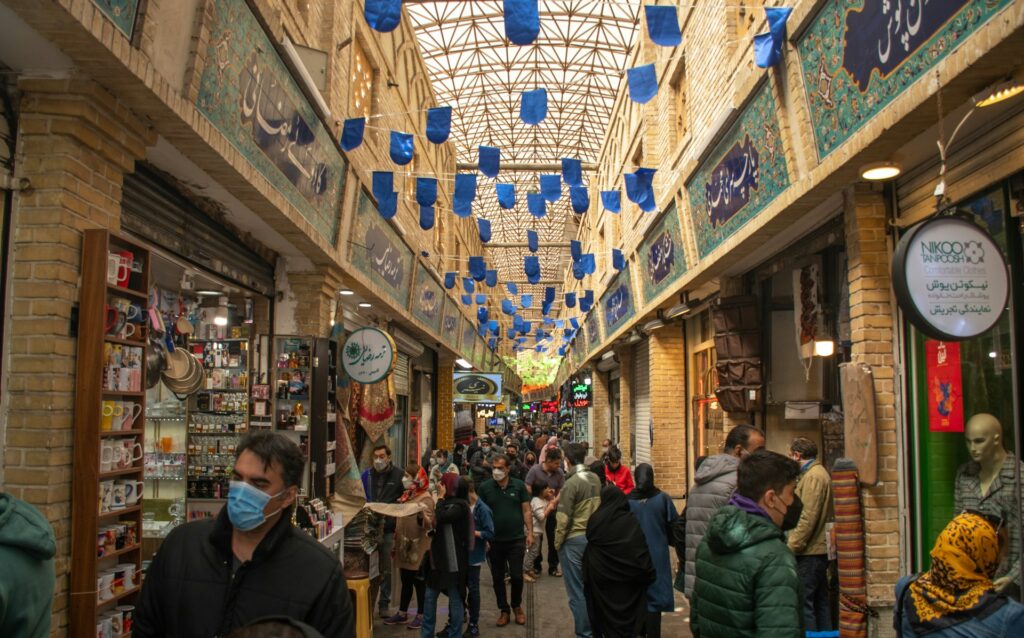
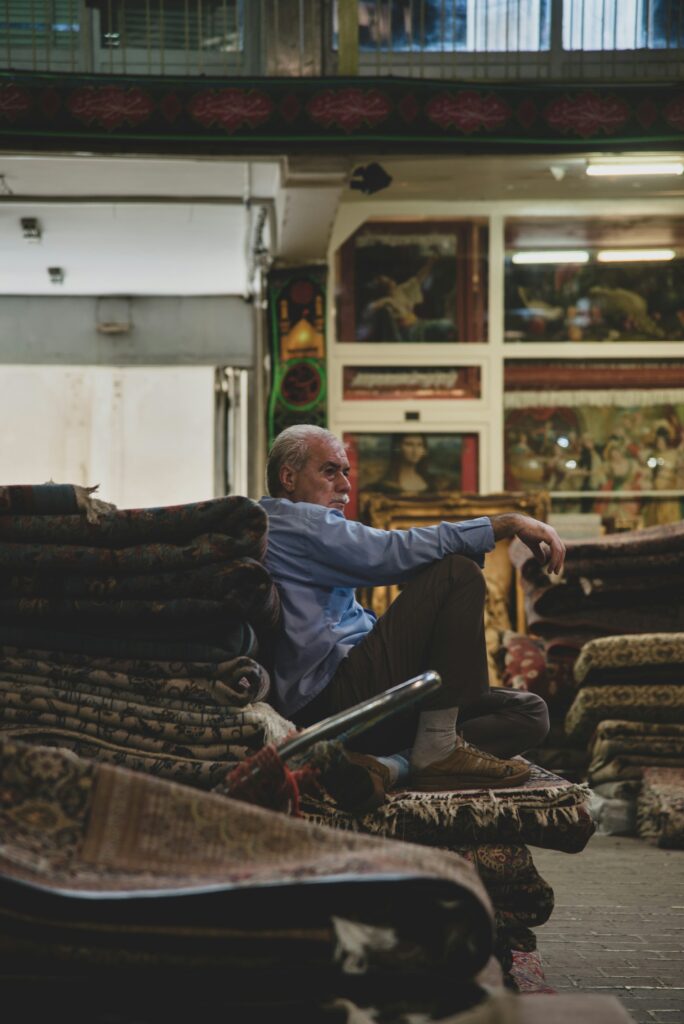
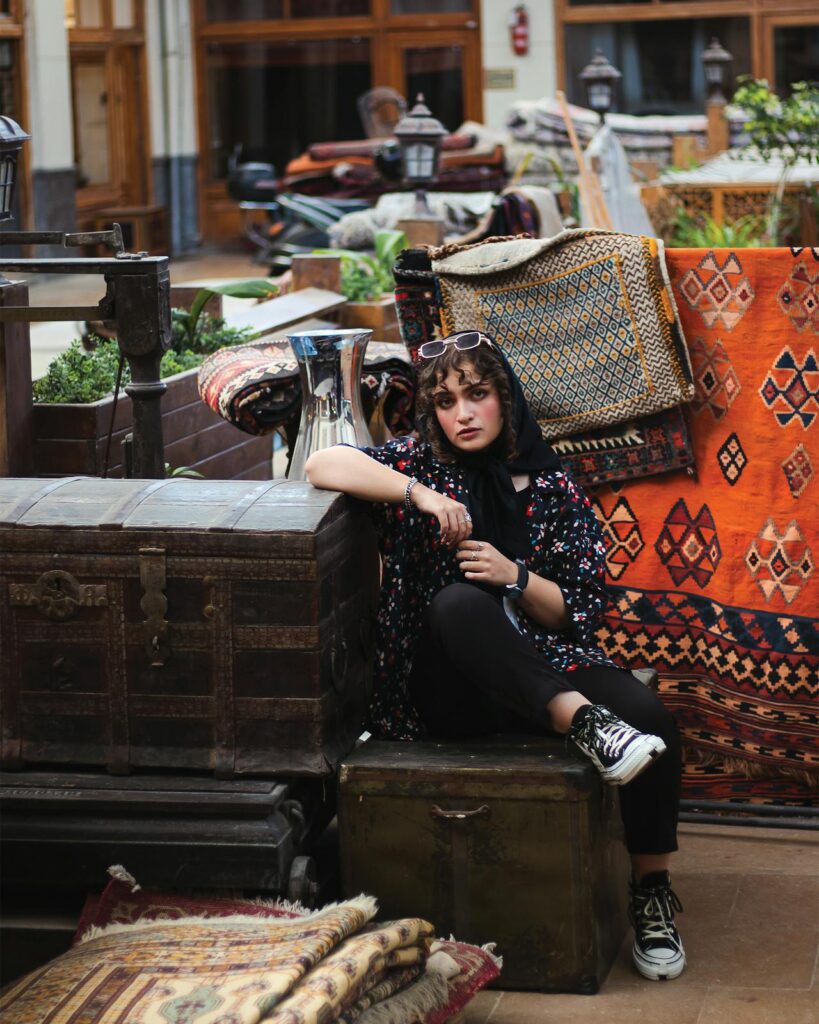
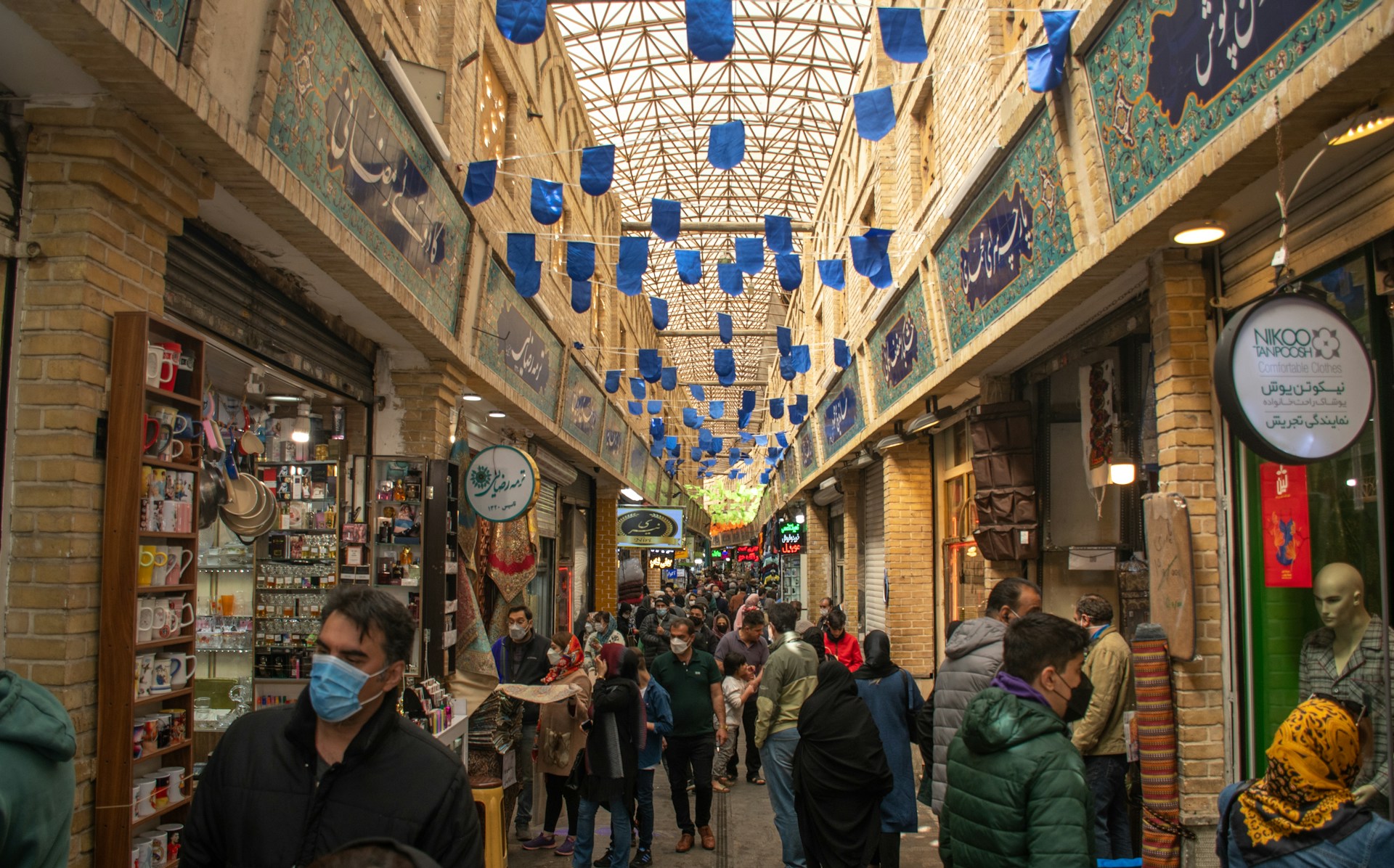
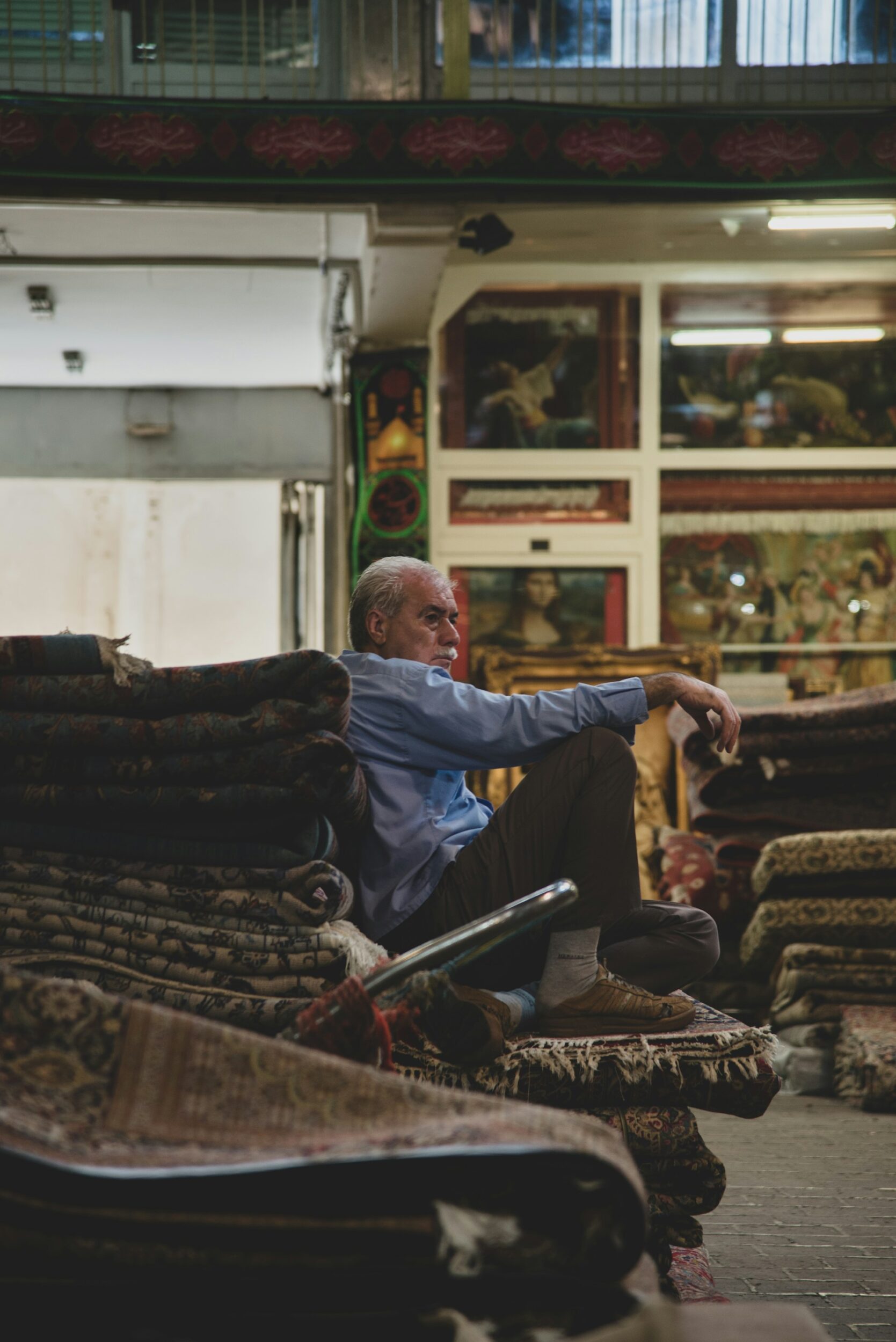
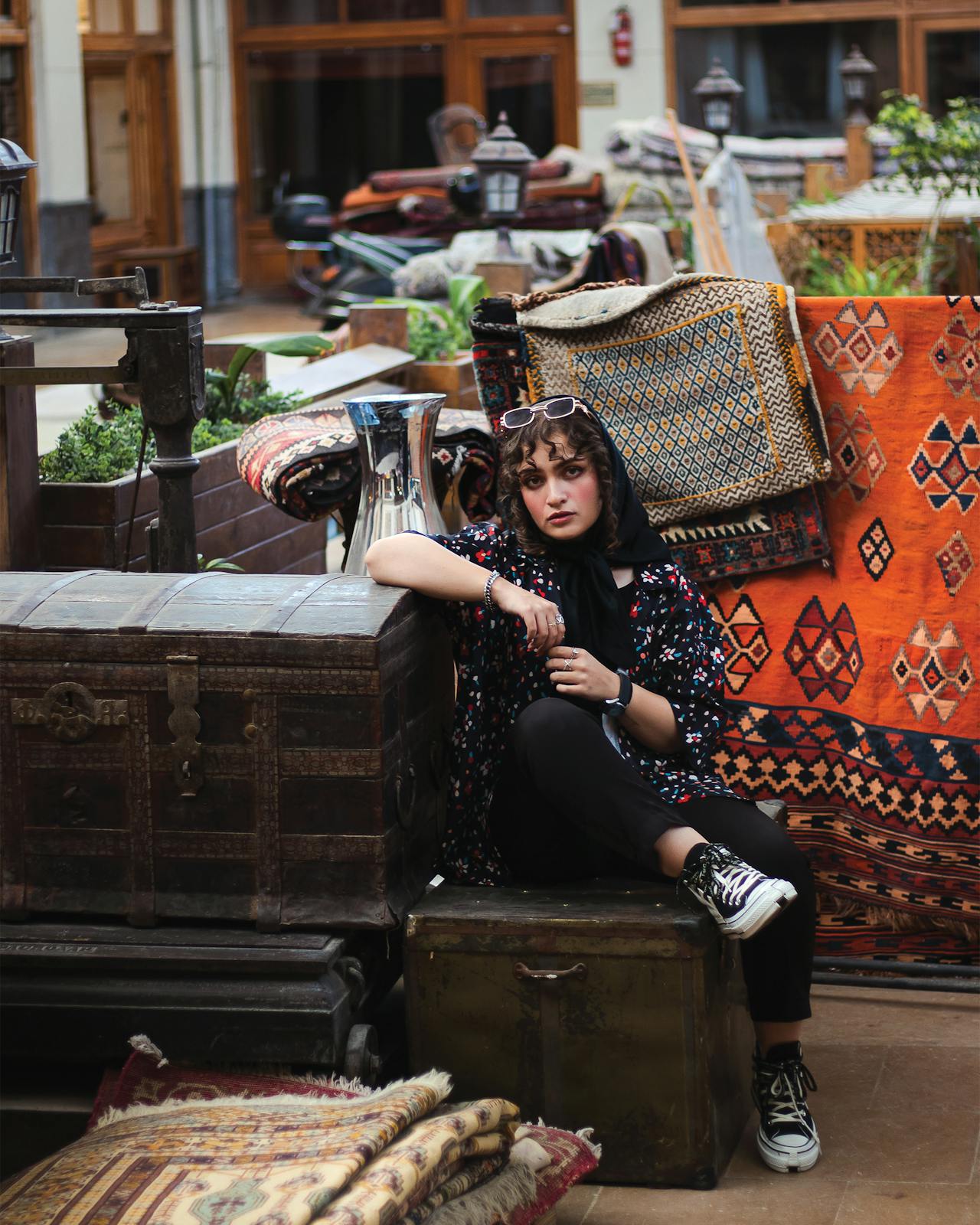
What makes Tajrish Bazaar special is its authenticity and continuity. Unlike purpose-built tourist markets, it functions primarily for locals. Narrow alleys are filled with fruit sellers, spice shops, nuts, sweets, herbs, household goods, and small eateries. The sounds, smells, and constant movement create a dense, immersive atmosphere that reflects Tehran’s daily life rather than a curated image.
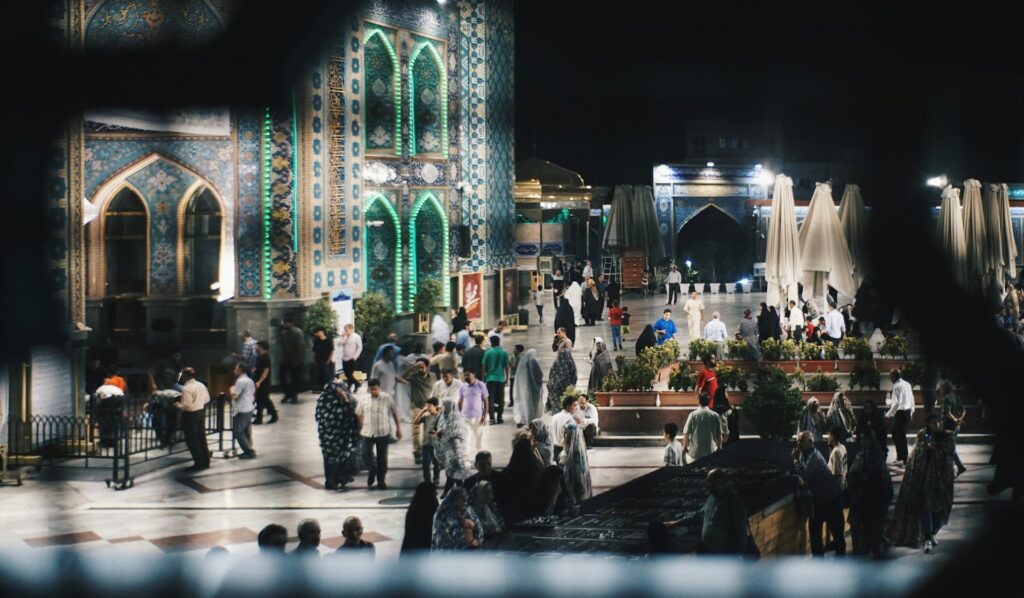
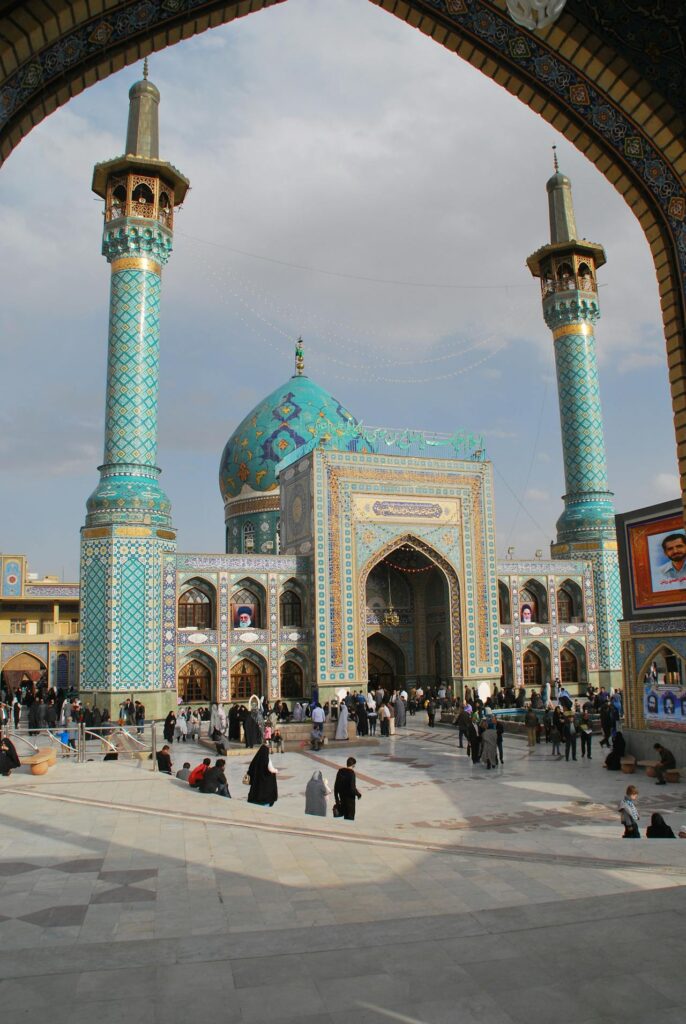
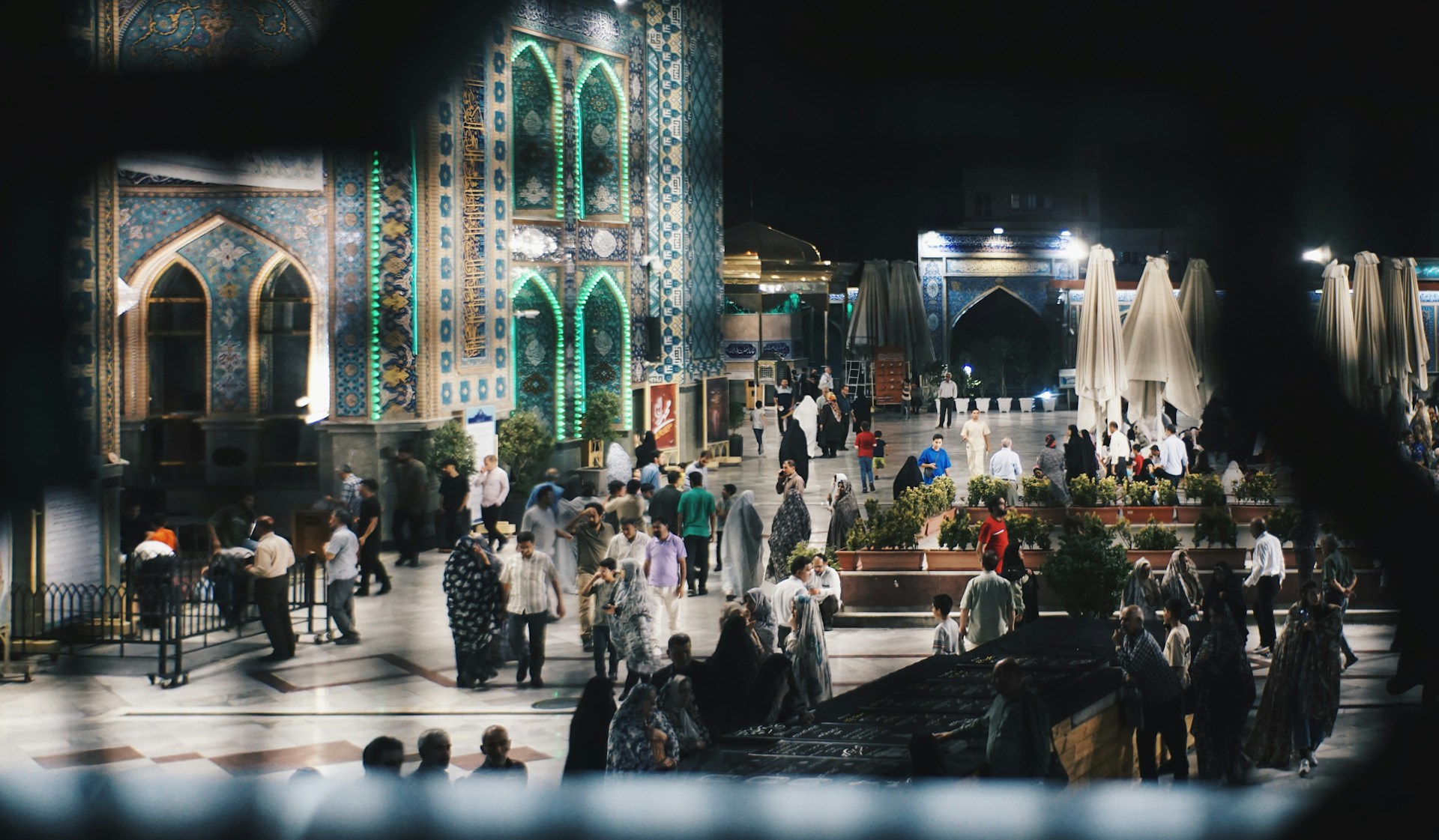
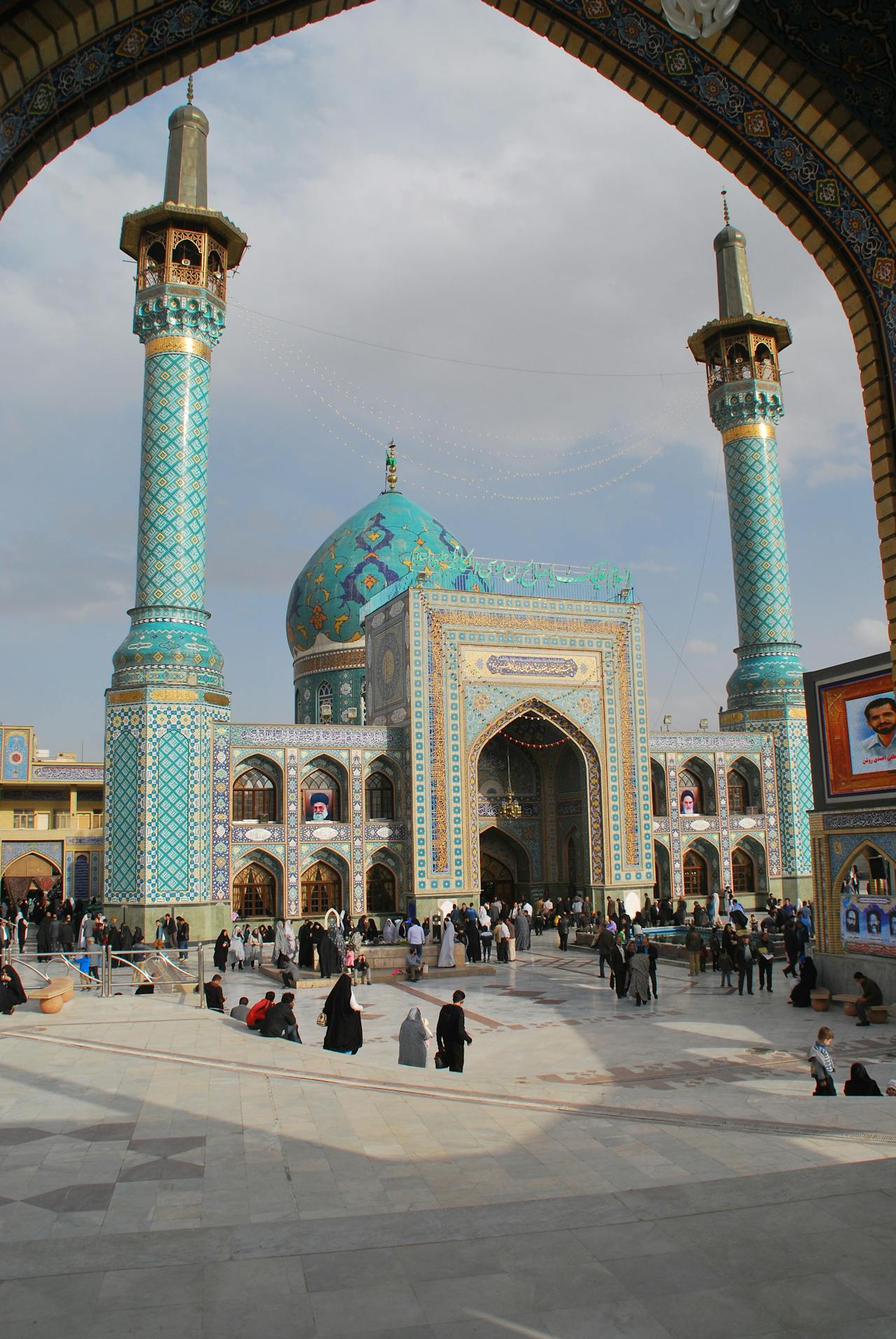
At the center, Emamzadeh Saleh Shrine introduces a moment of pause and reflection. Its courtyard and interior are open to visitors, offering insight into contemporary religious life in Iran. The shrine is fully integrated into the bazaar: shoppers pass through its courtyard, vendors pause briefly, and families gather both inside and outside its walls.
The defining quality of Tajrish lies in the coexistence of commerce and devotion. Rather than being separated, sacred and secular spaces overlap naturally, creating a neighborhood that feels lived-in, grounded, and deeply human.
PRACTICAL TIPS
- Best time to visit: Morning to early afternoon for full market activity
- Plan 1–1.5 hours (longer if you stop to eat or shop)
- Closest metro station: Tajrish (Line 1)
- Dress modestly, especially when entering the shrine
- Photography by camera inside the shrine is forbidden (phone is ok)
- Combine with Darband or Niavaran for a half-day northern Tehran visit
NEARBY

Park-e Jamshidieh
A terraced stone park at Tehran’s northern edge, where rocky paths, sculptures, and viewpoints create a quiet transition between the city and the Alborz Mountains.
Bame Tehran
Bam-e Tehran is a city-edge viewpoint and gateway to the Tochal mountains, linking urban life with hiking trails, cable cars, and high-altitude recreation.
Ferdows Garden & Cinema Museum
A historic garden and villa in northern Tehran housing Iran’s Cinema Museum, where film history meets cafés, shaded paths, and everyday social life.
Darakeh Restaurants & Hiking
One of Tehran’s most rugged nearby hikes, Dar Abad leads from the city edge into an exposed mountain valley with rocky terrain and minimal development.
Time Museum
A quiet museum in northern Tehran exploring calendars, clocks, and timekeeping, set inside a historic villa with a garden that encourages a slower, reflective visit.
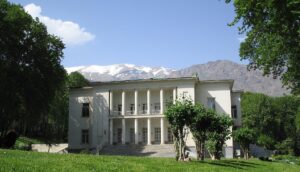
Saadabad Palace Complex
Set in Tochal’s green foothills, Saadabad is a vast garden complex of palaces and museums, transformed from a royal retreat into one of Tehran’s largest…
Darband Nature Area
Darband combines mountain restaurants, a seasonal chairlift, and a hiking trail that gradually climbs from a busy social hub into the Alborz foothills.
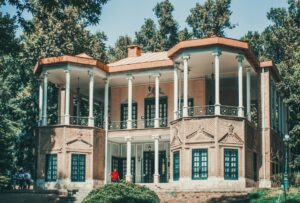
Niavaran Palace
Set in Tehran’s northern foothills, Niavaran Palace combines modern royal architecture, preserved interiors, and gardens, offering insight into the final decades of Iran’s monarchy.