
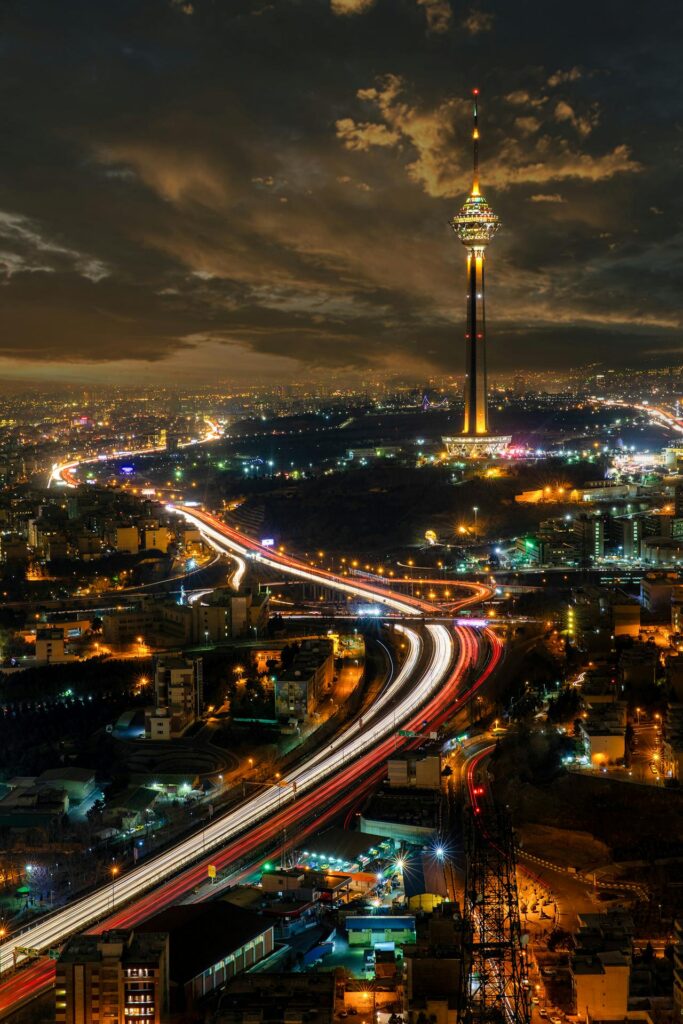
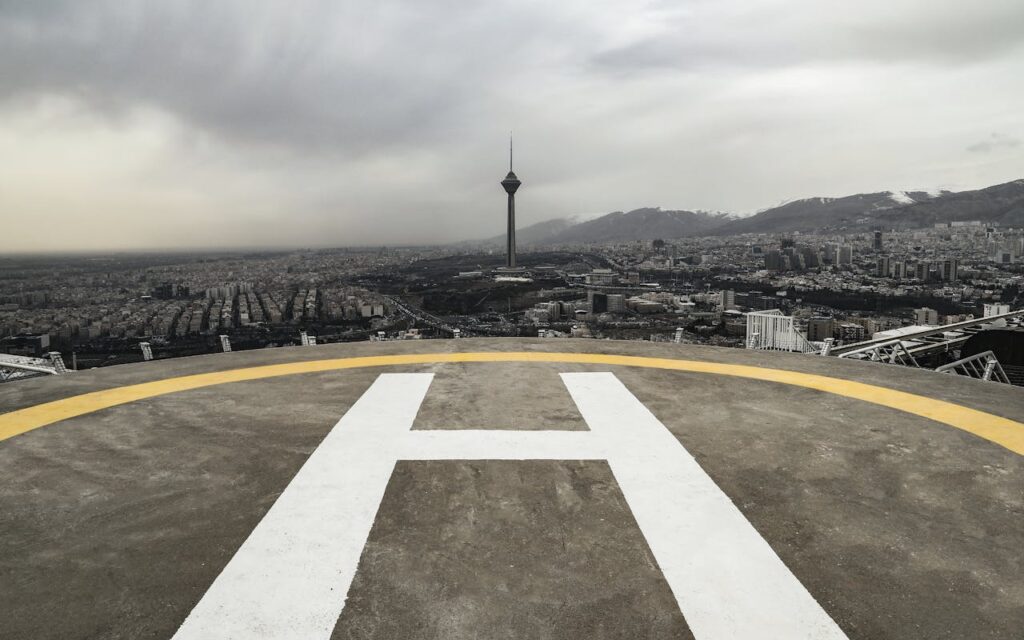
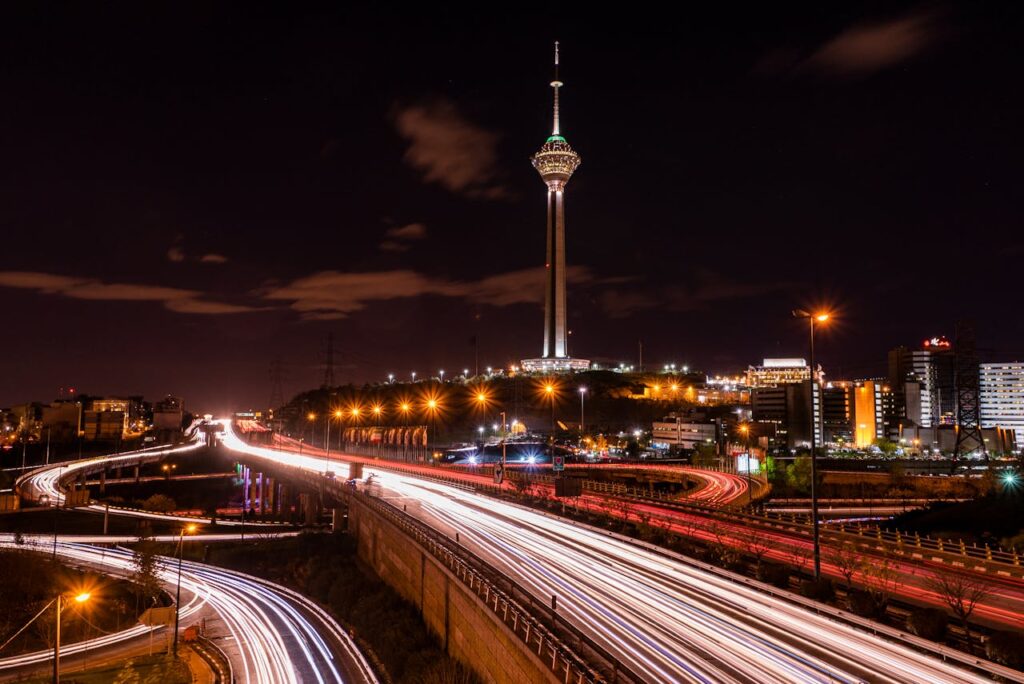
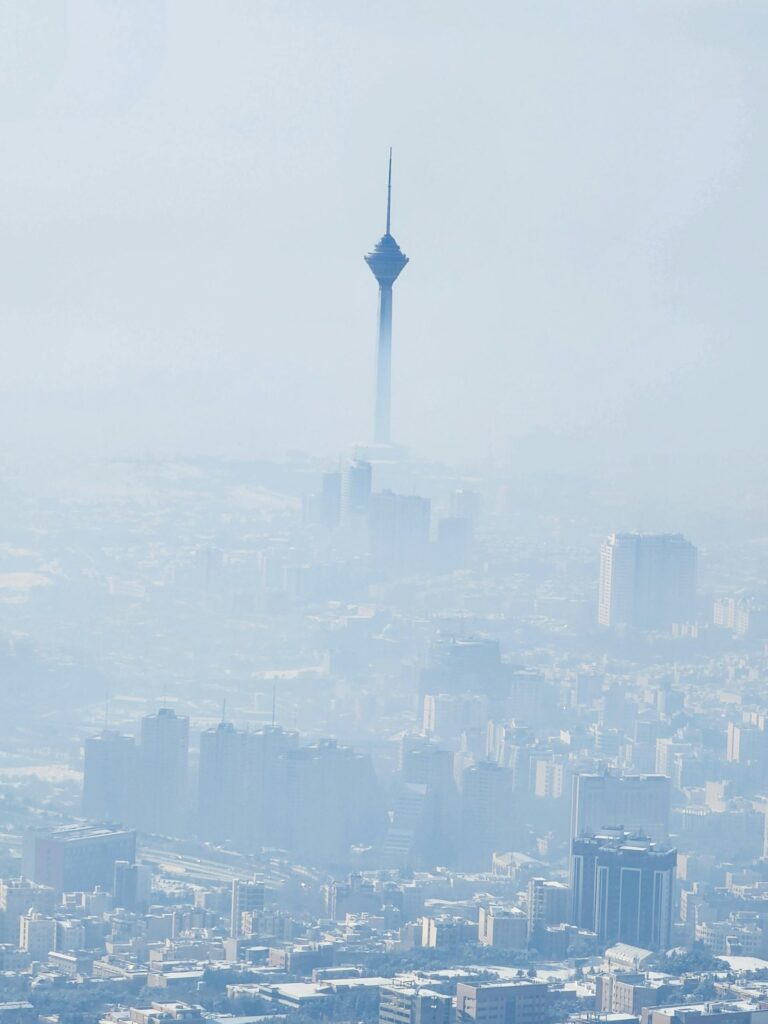
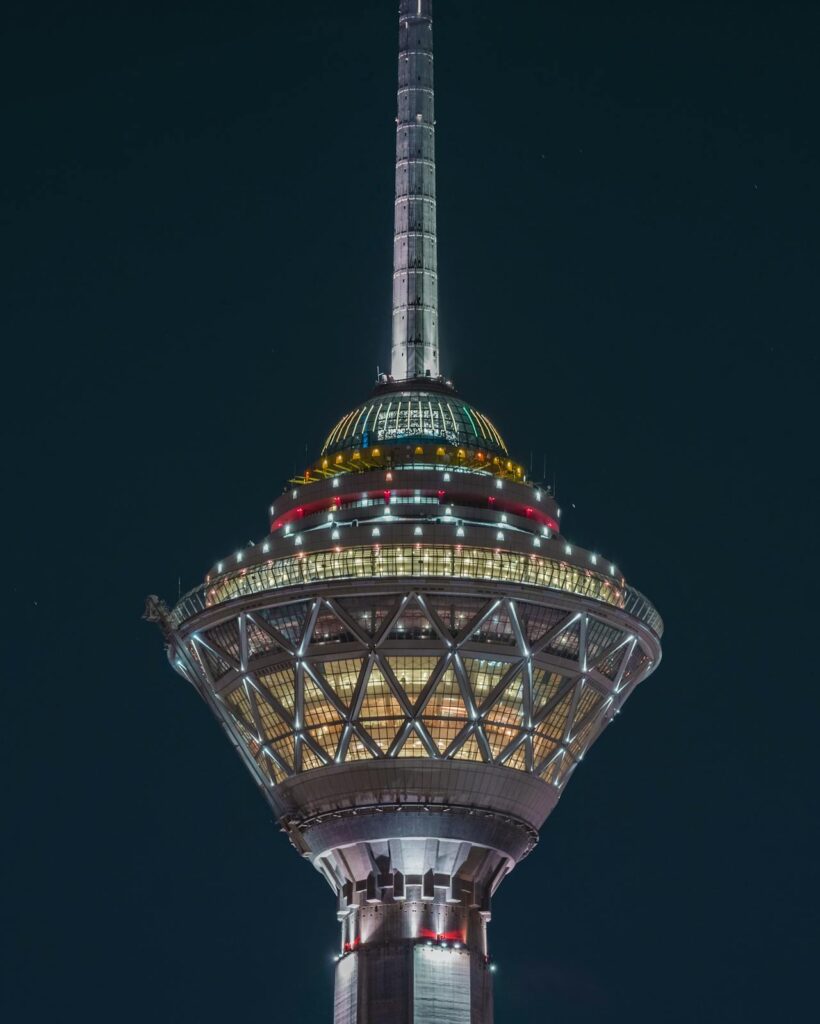
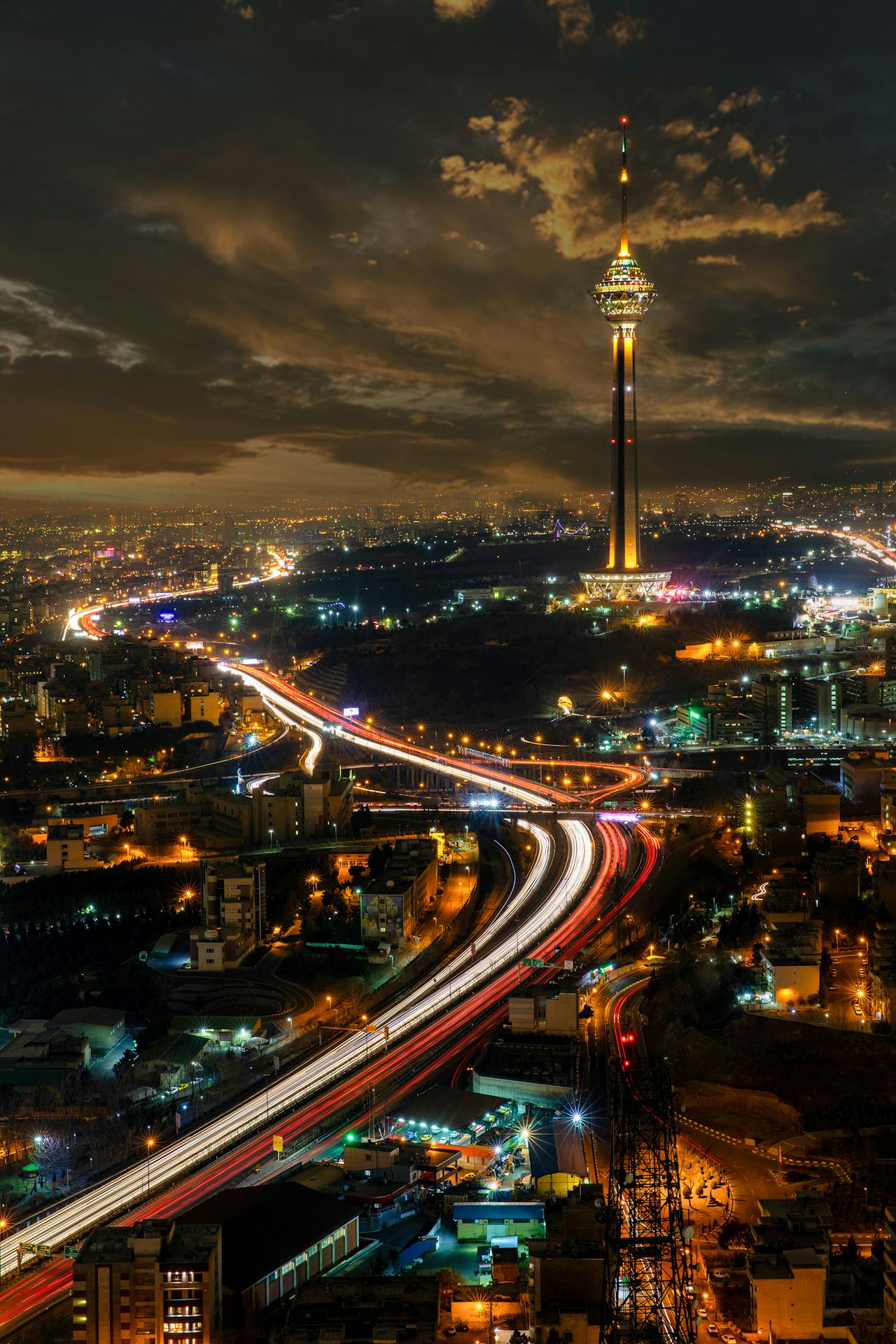
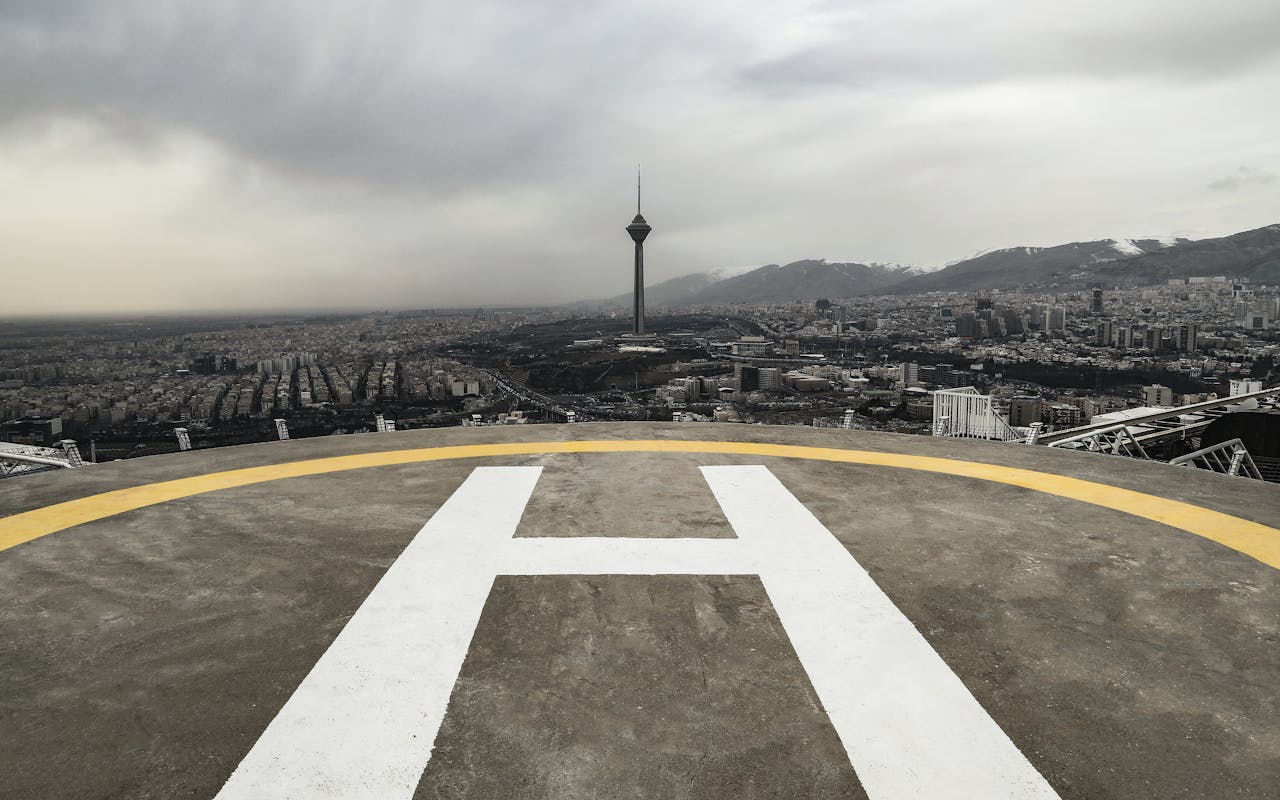
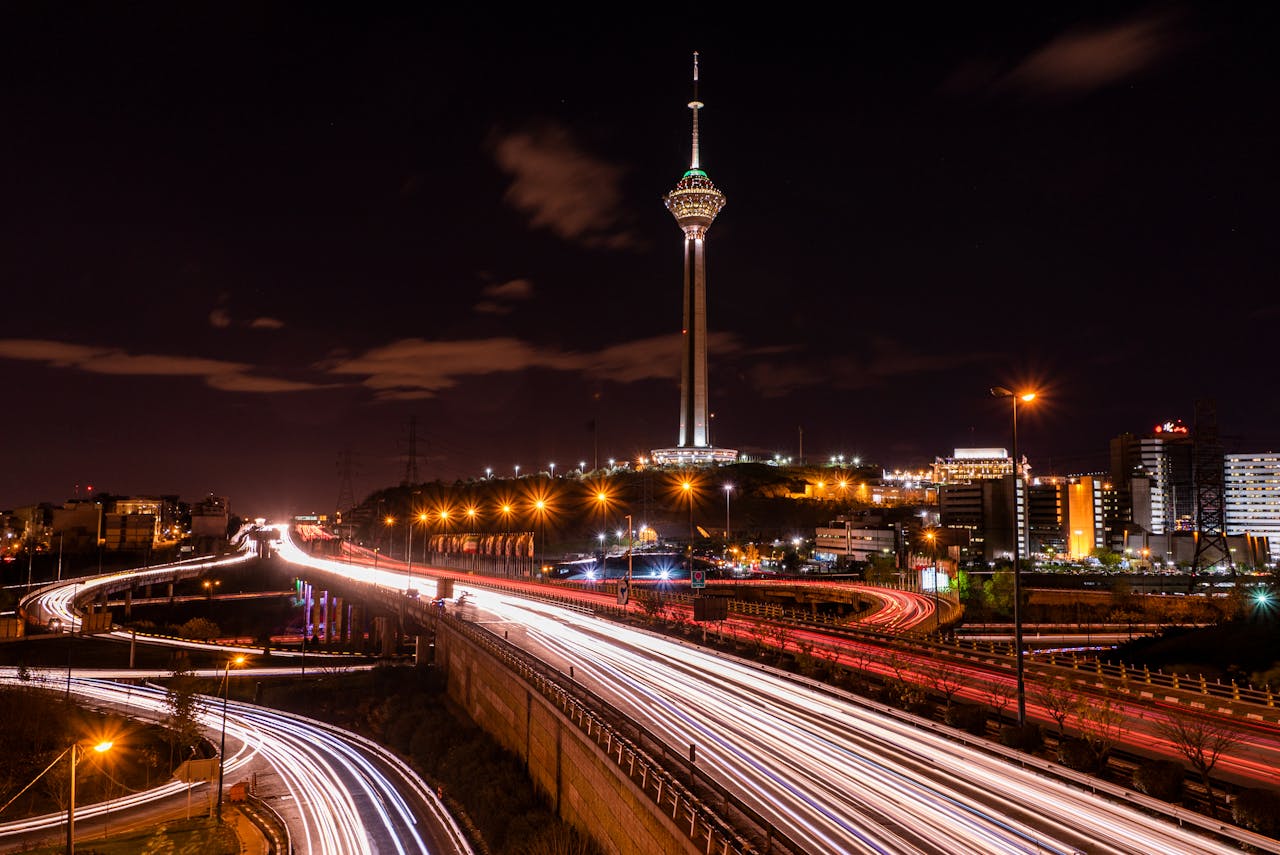
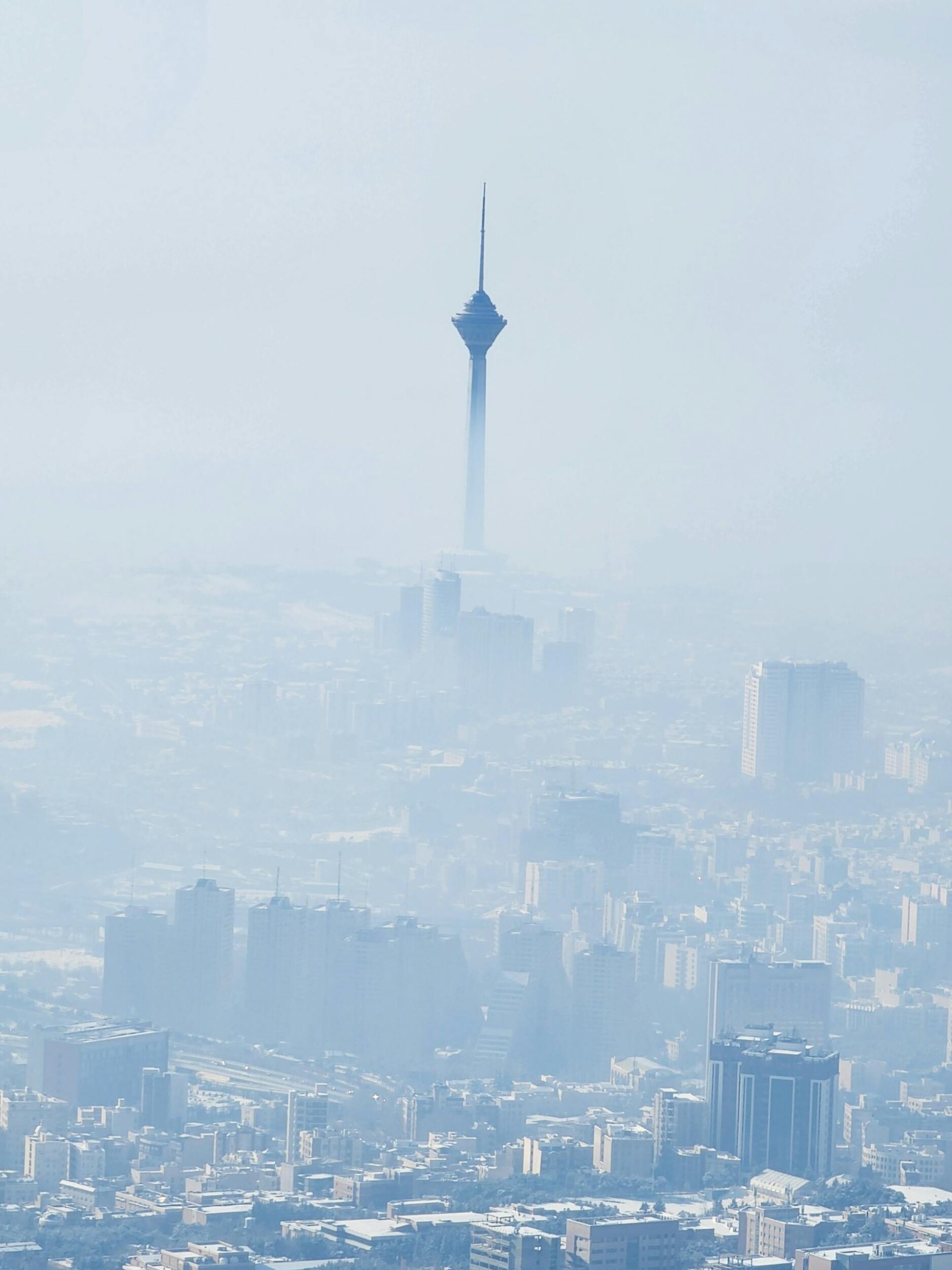
Rising high above the city skyline, Milad Tower is Tehran’s most visible symbol of contemporary Iran. Located in the northwest of the city, the tower represents modern Tehran’s ambition, scale, and urban confidence. More than a viewpoint, it’s a multifunctional landmark where technology, leisure, and culture come together — and one of the best places to understand the city’s true size from above.
Milad Tower
HISTORY
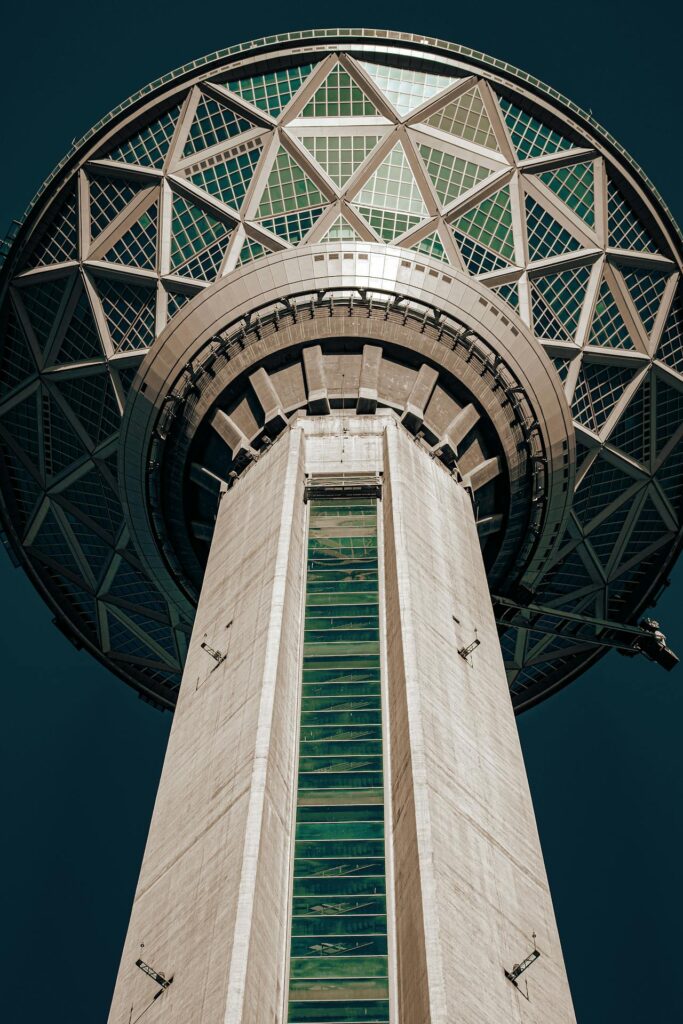
Construction of Milad Tower began in the late 1990s and was completed in the 2000s as part of a wider effort to modernize Tehran’s infrastructure and global image. At over 430 meters, it became the tallest structure in Iran and one of the tallest towers in the world. Unlike older monuments shaped by dynastic symbolism, Milad Tower was conceived as a civic project with multiple purposes — telecommunications, observation, and public events — designed for a city expanding rapidly in scale and complexity.
WHAT MAKES IT SPECIAL
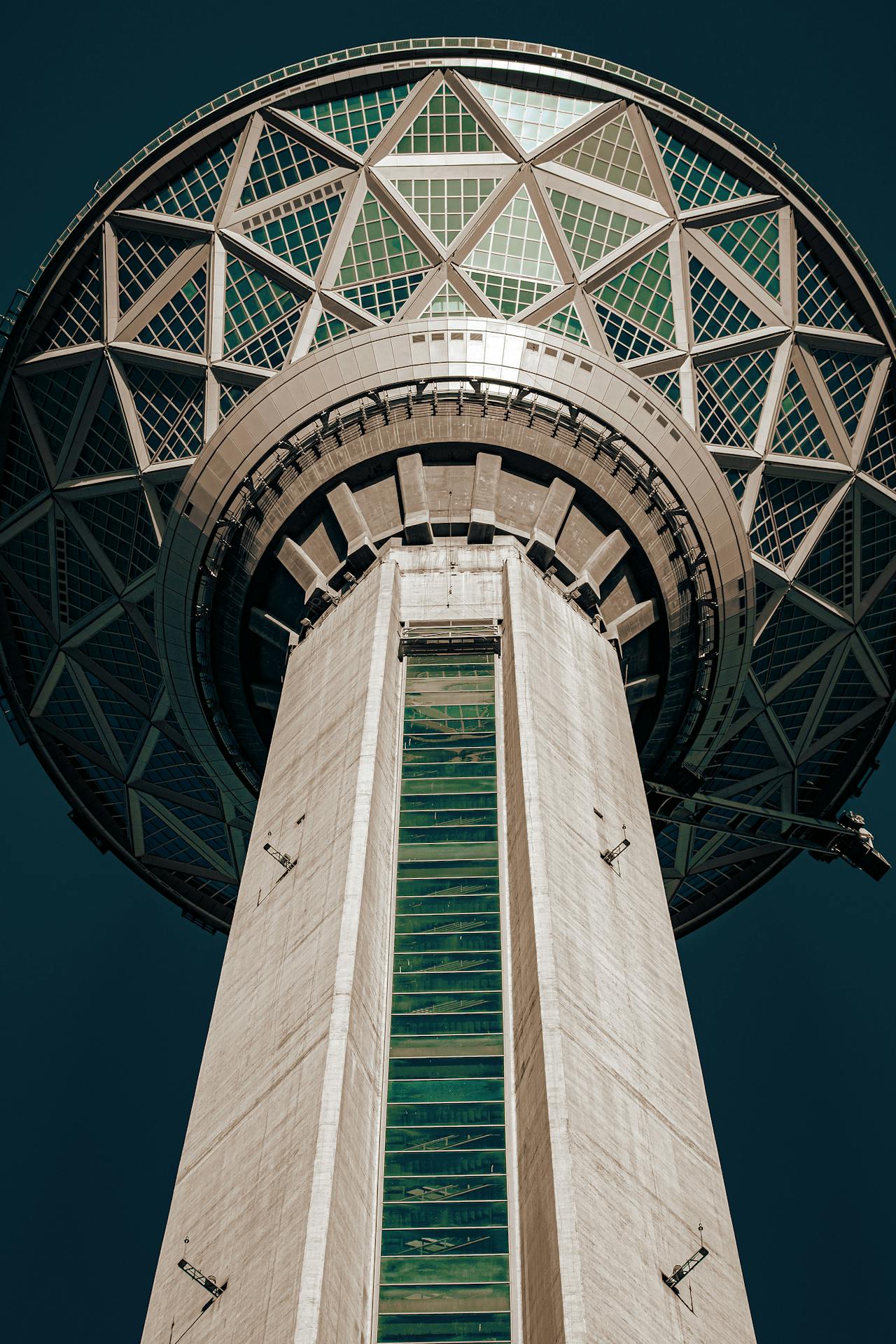
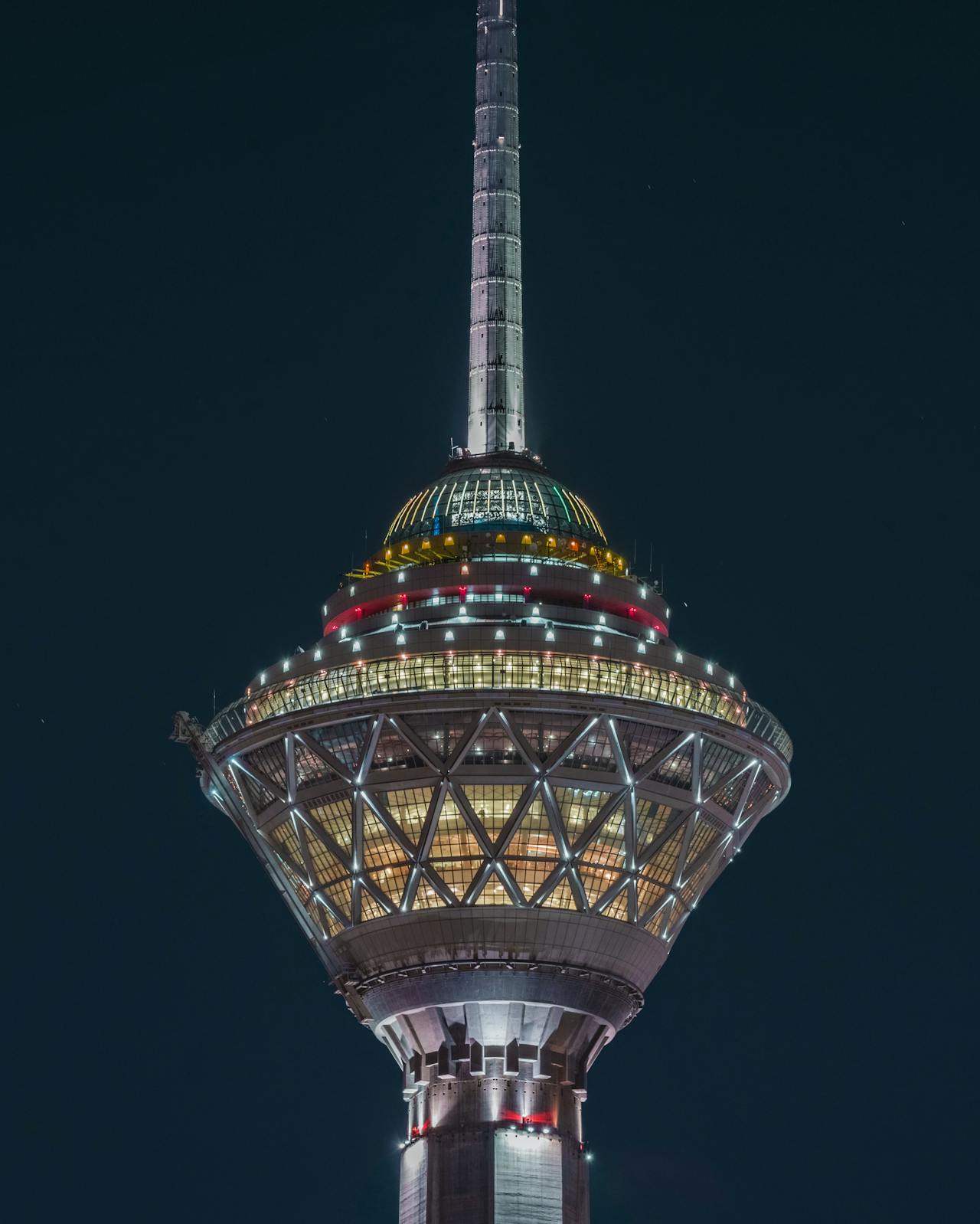
Milad Tower stands out for its combination of height, functionality, and experience. High-speed elevators take visitors to observation decks with 360-degree views over Tehran — from dense urban neighborhoods to the Alborz Mountains on clear days. Beyond the viewpoint, the tower is also a leisure destination: restaurants and cafés offer skyline dining, and exhibition spaces host rotating cultural displays. For visitors looking for something more adventurous, the site is also known for special attractions such as bungee jumping and skywalk-style experiences (seasonal and availability-dependent), as well as concerts and large public events. More than a photo stop, Milad Tower is a place to grasp Tehran’s true scale and modern character in a single visit.
PRACTICAL TIPS
- Best time to visit: Late afternoon to sunset for day and night views
- Plan 0.5–1 hour (more if dining or attending an event)
- Check air quality and weather, as visibility varies
- Tickets are required for observation decks and activities; access levels vary
- Restaurants often need reservations, especially in the evening
- Access: Taxi or ride-hailing apps are usually the easiest option
- Security screening is required before entry
NEARBY
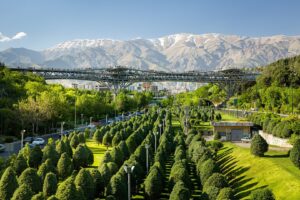
Tabiat Bridge
A pedestrian bridge in Tehran that reconnects major parks, designed as a place to pause and gather, and symbolizing a shift toward people-centered public space.